
NASA Jobs: Engineering and Science Careers in 2026
NASA is actively hiring across engineering, science, and administrative roles in 2026. Explore current openings, required qualifications, and how to apply for positions supporting space exploration.

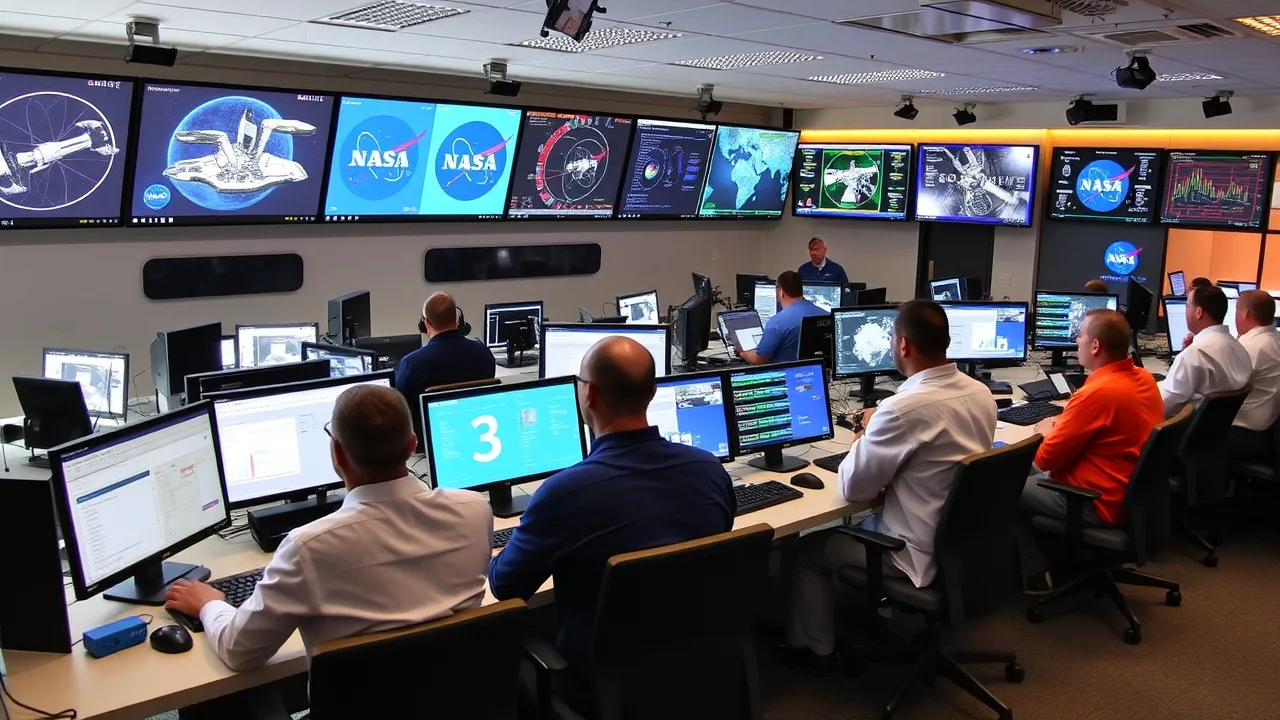
NASA's Jet Propulsion Laboratory and field centers across the United States posted more than 1,200 active job listings as of July 2026, marking one of the agency's most expansive hiring cycles in recent years. The surge reflects accelerated timelines for lunar Gateway missions, Mars sample return operations, and climate monitoring satellite deployments scheduled through the end of the decade.
"We are seeing sustained demand for engineers and scientists at every experience level," said Dr. Margaret Chen, chief human resources officer at NASA's Glenn Research Center in Cleveland, in a recent briefing to recruitment coordinators. "The pipeline for entry-level positions in materials science and software systems has never been more robust."
NASA's career portal, open to U.S. citizens and certain visa holders, lists aerospace jobs ranging from structural engineers to planetary protection specialists. The majority of openings cluster in five discipline areas: mechanical and electrical engineering, computer science, mission operations, Earth and planetary science, and aeronautics research.
Current Hiring Areas and Role Types
Entry-level and mid-career positions dominate the 2026 hiring push. A typical mechanical engineer posting at Marshall Space Flight Center in Huntsville, Alabama, seeks candidates with a bachelor's degree and 3 to 5 years of aerospace design experience, offering a salary range of $72,000 to $98,000 annually depending on background.
High-demand roles currently open include:
- Propulsion systems engineers for the Space Launch System program
- Flight software developers for the International Space Station and commercial modules
- Mission planners for lunar surface operations
- Data scientists analyzing Earth observation imagery
- Systems integration specialists for autonomous rovers
The agency also actively recruits for positions in facilities management, budget analysis, and human resources. Administrative and support staff roles, though less visible in media coverage, represent approximately 40 percent of all NASA hires and offer stable career pathways with federal benefits.
Education Requirements and Application Process
Most professional-track NASA jobs require either a bachelor's degree in a relevant field or equivalent work experience verified through portfolio or published research. The agency accepts applications through USAJobs.gov, the federal government's centralized employment portal, where postings remain open for 7 to 14 days.
Applicants submit a resume, cover letter, and completion of an online questionnaire assessing technical competency. Background investigations follow for those selected for interviews. The entire process, from application to start date, typically spans 3 to 6 months.
For science careers, postdoctoral researchers and PhDs in physics, chemistry, geology, or biology can enter through NASA's Postdoctoral Program, which places fellows at field centers for 2-year assignments. As of 2026, approximately 180 postdoctoral positions are available across all centers, with stipends ranging from $56,000 to $72,000 annually plus relocation support.
Veterans receive hiring preference under federal rules. NASA also sponsors student internships and recent-graduate fellowships, channeling talent from universities directly into the agency. The 2026 internship cycle accepted 2,850 students across 10 centers.
Salary, Benefits, and Career Advancement
Federal employment offers competitive total compensation packages. A mid-level engineer at NASA earns approximately $95,000 to $125,000 base salary, plus federal health insurance options costing employees 8 to 10 percent of premiums, a defined-benefit pension, and 26 days of paid leave annually.
Career progression follows the federal General Schedule (GS) pay scale. An engineer hired at GS-11 ($68,000) can advance to GS-13 ($110,000) within 5 to 7 years through successful performance reviews and assuming new responsibilities. Senior engineers and program managers reach GS-15 ($150,000 to $165,000).
Engineering roles at NASA emphasize continuous learning. The agency funds professional certifications, conference attendance, and graduate degree programs for employees. Many centers maintain partnerships with nearby universities, allowing staff to pursue master's degrees during work hours or through tuition reimbursement.
Remote work policies expanded in 2025 and stabilized in 2026. Most technical staff work on-site 3 to 5 days weekly, with some administrative and software development teams permitted full-time remote arrangements if approved by supervisors. Mission-critical roles in control rooms and laboratories require full on-site presence.
NASA's 10 field centers are distributed across the country: Kennedy Space Center (Florida), Johnson Space Center (Texas), Stennis Space Center (Mississippi), Marshall Space Flight Center (Alabama), Goddard Space Flight Center (Maryland), Jet Propulsion Laboratory (California), Ames Research Center (California), Glenn Research Center (Ohio), Langley Research Center (Virginia), and Kennedy's facility in Florida. Regional opportunities reduce geographic constraints on applicants.
Prospective employees can explore NASA's workforce roadmap on the agency's official careers page, which outlines five-year hiring forecasts by center and discipline. The roadmap, updated quarterly, shows sustained hiring through 2030 in lunar infrastructure development and deep space communications. Space exploration careers at NASA offer long-term stability uncommon in private aerospace sectors.