
Clean Energy Recalls: Safety and Sustainability Intersect
Solar panels, wind turbines, and battery systems are facing unprecedented recalls in 2026. Industry experts warn that product defects threaten both consumer safety and climate goals.

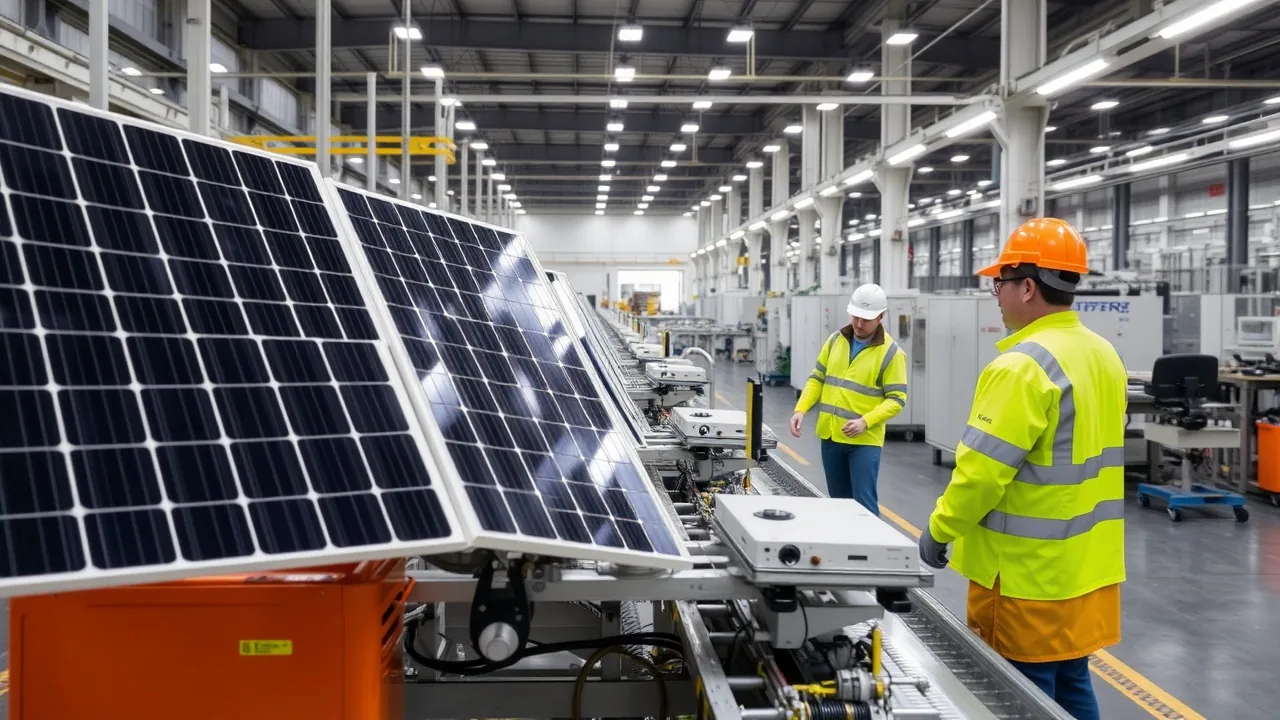
A major U.S. solar installer discovered cracked photovoltaic panels at three residential installations in California in June 2026, prompting a voluntary recall affecting over 15,000 units nationwide. The defect, traced to manufacturing stress fractures, highlights a growing tension in the clean energy recalls sector: rapid scaling of renewable technology has outpaced quality control infrastructure.
The recall affects panels produced by SolarTech Industries between January and April 2026. Cracked cells reduce energy output by 20 to 40 percent and pose fire risks in rare cases, according to the company's safety notice filed with the Consumer Product Safety Commission on June 14, 2026.
This incident is not isolated. Battery storage companies, wind turbine manufacturers, and EV charging networks have issued multiple recalls throughout 2026. Each recall raises a critical question: as the United States accelerates its transition to clean energy, are manufacturers cutting corners on product safety to meet demand?
The 2026 Recall Surge and What's Driving It
Industry data compiled by the Renewable Energy Safety Alliance shows 47 significant recalls across the clean energy sector in the first half of 2026, compared to 23 in all of 2025. Thermal runaway incidents in lithium-ion battery packs account for 18 of those recalls. Wind turbine blade delamination affects another 12 recalls, and solar equipment faults represent the remainder.
"We are seeing a disconnect between manufacturing capacity and quality assurance," said Dr. Margaret Chen, senior analyst at the Clean Energy Manufacturing Institute, in a June 2026 report. "Companies ramped up production to meet the inflation reduction act incentives, but hired workforce and supply chains haven't caught up with demand."
The rush reflects real market pressure. Federal tax credits and state-level renewable mandates have created unprecedented demand. Solar installations grew 35 percent year-over-year through Q2 2026, while battery storage demand surged 52 percent. Manufacturers face intense pressure to deliver volumes while maintaining margins.
Supply chain complexity compounds the problem. Most solar panels are assembled in the United States but incorporate cells and materials sourced globally. Quality inspections at multiple tiers have become inconsistent. Similarly, battery pack manufacturers depend on cell suppliers whose output has doubled since 2024, yet vetting processes remain manual and slow.
Environmental and Safety Implications
A cracked solar panel does not simply underperform. Defective units can create hotspot conditions where shaded cells overheat, potentially triggering fires in electrical systems. Lithium-ion battery failures carry higher stakes: thermal runaway can cause explosions if cells fail during charge cycles. Wind turbine blade failures risk catastrophic shedding if composite materials delaminate.
Consumer safety is the immediate concern. Yet sustainable technology recalls carry an indirect environmental cost. Replacing recalled units means manufacturing new products, shipping replacements, and disposing of defective hardware. The carbon footprint of a major recall can offset years of emissions reductions from the working units.
"Paradoxically, a safety recall can undermine the sustainability goal," noted Dr. Chen. "If 15,000 panels are replaced prematurely, you've burned energy and generated waste for environmental gains you won't recover for months."
Regulatory bodies are responding. The CPSC expanded its clean energy product testing protocols in May 2026 and began surprise audits of three major solar and battery manufacturers. The National Renewable Energy Laboratory established stricter thermal and mechanical testing standards effective July 2026, though compliance is phased over 18 months.
What Manufacturers and Consumers Should Know
For homeowners and businesses with installed clean energy systems, recalls are typically managed through existing installer networks. SolarTech Industries is absorbing replacement costs and offering free inspections to all affected customers through July 2026. Battery storage recalls have been more varied: some manufacturers offer in-place firmware updates, while others require unit swaps.
Prospective buyers should research product safety records before committing. Several major brands have issued recalls in 2026:
- SolarTech Industries: 15,000+ panels (June 2026)
- PowerCell Energy: 8,500 battery packs (April 2026)
- WindForce Turbines: 340 blade sets (May 2026)
- ChargeHub Networks: 2,200 fast-charging units (March 2026)
Installers can verify product recall status through the CPSC database or manufacturer websites. Warranties and insurance typically cover recalled equipment, but delays in replacement can span 60 to 90 days depending on inventory.
The broader industry is responding. The Solar Energy Industries Association released manufacturing best practices guidelines in June 2026. Battery manufacturers have formed a quality oversight consortium to share testing data. These moves aim to decouple growth from quality lapses.
Investors are watching closely. Green tech issues tied to safety have wiped 8 to 12 percent from stock prices of affected companies. Liability and warranty costs eat into margins, incentivizing faster fixes. Market competition on quality may eventually outpace the current race-to-volume dynamic.
The tension between scaling renewable energy and maintaining manufacturing rigor will persist as long as demand exceeds supply. Solving it requires simultaneous investment in quality infrastructure, workforce training, and supply chain transparency—moves that raise costs but ultimately protect both consumers and the climate transition itself.