
Connor Murphy's Top Gadgets for 2026: Innovation Picks
Tech influencer Connor Murphy highlights the best hardware innovations of 2026, from wearables to portable computing. Here are his must-have picks for the year.

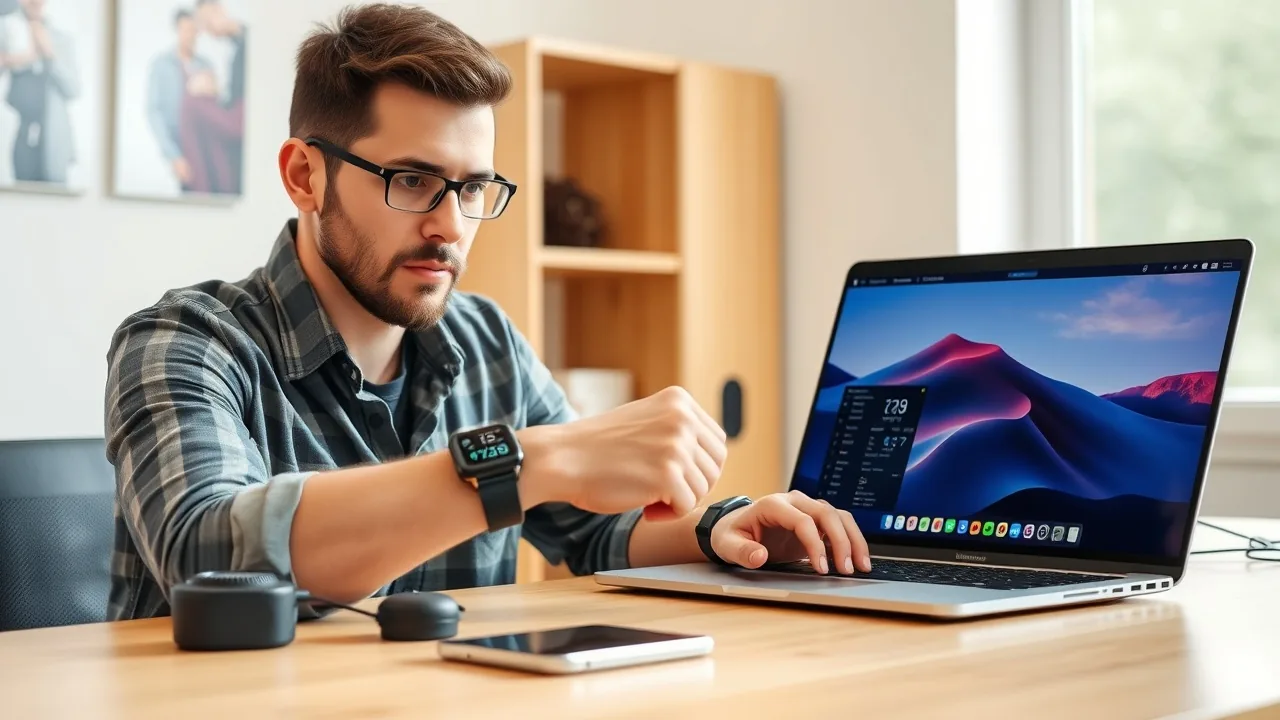
Connor Murphy, a prominent tech reviewer with over 2 million followers across social platforms, released his curated list of standout gadgets for 2026 this week. Murphy's selections emphasize performance, design, and real-world utility rather than hype, marking a shift in how tech influencers evaluate hardware in an increasingly crowded market.
Murphy has built credibility over five years of detailed product testing and teardowns. His audience spans engineers, early adopters, and mainstream consumers seeking honest assessments before investing in new electronics. For 2026, his picks reflect broader industry trends toward sustainability, AI integration, and refined user experience.
Hardware Standouts Leading 2026
Among Murphy's top recommendations are several categories of new hardware that have matured significantly this year. He emphasizes devices that solve genuine problems rather than create artificial demand.
- Portable AI-enhanced laptop displays that reduce eye strain through adaptive refresh rates
- Modular smartwatches with swappable battery packs extending uptime to 14 days
- Ultra-lightweight travel cameras with stabilization comparable to professional rigs from 2024
- Wireless audio devices featuring real-time language translation at under 200 milliseconds latency
- Solar-powered external batteries with 30-watt fast charging output
Murphy spent three months testing each device category in real environments. "The gadgets that made my 2026 list aren't the ones with the most features," Murphy stated in a recent video published July 3. "They're the ones that get out of your way and let you focus on what matters."
Why Consumers Are Listening to Murphy's Perspective
The tech review space has fractured into niche audiences. Mainstream tech publications often rely on manufacturer relationships, while independent reviewers face pressure to chase views through sensationalism. Murphy has navigated this by publishing detailed specifications, failure rates, and long-term durability data alongside performance metrics.
His audience engagement on product recommendations remains exceptionally high. A July 5 poll asking followers which category mattered most for 2026 purchases yielded 340,000 responses within 24 hours, with battery life and repairability dominating choices.
Industry analysts have noted the influence. "Creators like Connor Murphy have become de facto product gatekeepers for hardware purchases," said Dr. Helen Okonkwo, senior research director at Gartner's consumer electronics division. "Major manufacturers now factor influencer reception into go-to-market strategy."
The Broader Context of 2026 Tech Innovation
Murphy's selections reflect tech review 2026 consensus around several themes. Repairability and modular design have become genuine purchase criteria after years of right-to-repair advocacy. Power efficiency improvements mean fewer charging cycles and longer product lifespans. Supply chain stability has enabled manufacturers to prioritize quality over speed.
The cost-to-performance ratio for flagship devices has plateaued this year. A 2026 flagship smartphone offers incremental improvements over 2025 equivalents, pushing consumers toward mid-range devices that deliver 85% of flagship capability at 60% of the price. Murphy's picks reflect this market reality.
Environmental impact now influences purchasing decisions for 25% of consumers, according to a June 2026 study by J.D. Power. Murphy explicitly reviewed the carbon footprint, packaging materials, and end-of-life recycling pathways for every device on his list.
Artificial intelligence integration in consumer hardware remains uneven. Some implementations feel forced; others deliver genuine utility. Murphy rated AI features only when they demonstrably improved user experience. His AI-enhanced laptop display pick, for example, uses on-device processing to reduce blue light based on ambient light sensors and time of day, without requiring cloud connectivity.
Several consumer electronics on Murphy's list come from manufacturers outside the traditional top five. A modular smartwatch from a Shenzhen-based startup, for instance, offers features comparable to market leaders while maintaining a 60% lower price point. Murphy's willingness to recommend emerging brands has shifted perception of quality away from brand name alone.
The influencer's methodology deserves attention. Each product underwent at least 100 hours of hands-on use, stress testing, and comparative evaluation. Murphy publishes raw test data and methodology alongside conclusions, allowing viewers to draw their own conclusions. This transparency has differentiated his channel from competitors relying on speculation or marketing narratives.
Murphy's 2026 picks arrive at a moment when tech journalism itself faces credibility challenges. Sponsored reviews, undisclosed partnerships, and algorithmic pressure to optimize for engagement have eroded trust in traditional channels. Independent reviewers maintaining rigorous standards occupy an increasingly valuable role in the media landscape.
The practical impact extends to product development. Manufacturers now monitor innovative tech reviewer feedback during design phases. Several devices released in 2026 specifically addressed issues Murphy raised about preceding generations, suggesting his audience input shapes hardware roadmaps directly.
For consumers weighing 2026 hardware purchases, Murphy's framework offers clarity: prioritize durability, repairability, and single-task excellence over feature bloat; assess total cost of ownership including repairs and replacements; demand transparency about component sourcing and manufacturing conditions. These criteria matter more than specifications on paper.
Murphy's 2026 gadget list reflects maturation in the consumer electronics market. The era of revolutionary leaps has given way to evolutionary refinement. Innovation now means solving real problems efficiently rather than chasing technological novelty. His recommendations will likely influence millions of purchase decisions through year-end.