
SpaceX Falcon 9 Launch Illuminates Skies with 'Space Jellyfish' Phenomenon
SpaceX's Falcon 9 rocket successfully launched Monday morning from Florida, creating a spectacular "space jellyfish" phenomenon in the pre-dawn sky. This rare visual event is a byproduct of rocket exhaust interacting with atmospheric conditions.

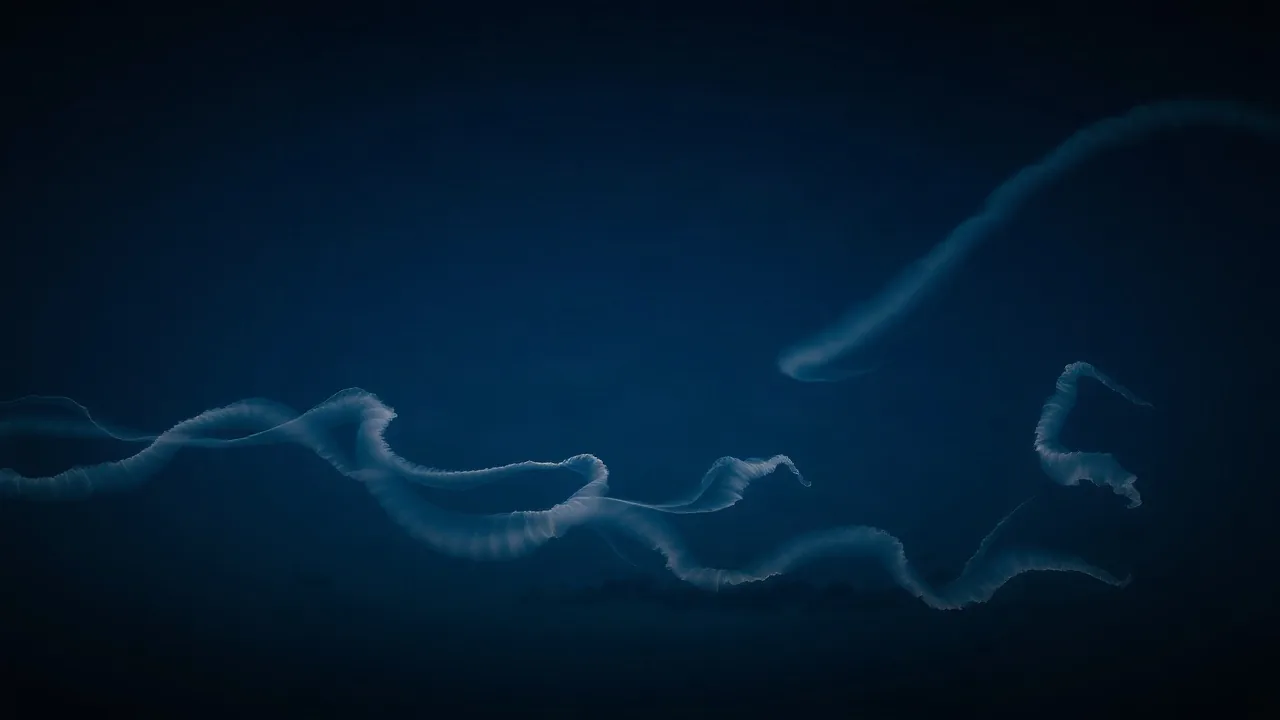
A SpaceX Falcon 9 rocket lifted off from Cape Canaveral Space Force Station in Florida on Monday, October 20, 2026, carrying 32 payloads into orbit for its Bandwagon-5 mission. The successful launch occurred after weather delays earlier in the week, offering clear skies for spectators and mission control.
Following the ascent of the rocket, residents across Florida and even into parts of the southeastern United States reported witnessing a stunning visual display in the pre-dawn sky. This phenomenon, colloquially dubbed the "space jellyfish," is characterized by ethereal, glowing tendrils that spread across the atmosphere, resembling a bioluminescent marine creature.
The "space jellyfish" effect is caused by the high-altitude exhaust from the rocket's engines interacting with atmospheric gases, particularly as the second stage separates. The precise conditions required for this visual spectacle involve a combination of sunlight angle, atmospheric density, and the chemical composition of the rocket's propellant. Experts note that this occurrence is rare and highly dependent on the specific timing and trajectory of the launch.
A Rare Cosmic Spectacle
This particular launch was a significant event for SpaceX, as it deployed 32 satellites for various clients, underscoring the company's continued dominance in the commercial space launch market. The Bandwagon-5 mission is part of a larger constellation deployment strategy. While the primary objective was successful payload delivery, the unexpected visual bonus captivated onlookers.
Dr. Evelyn Reed, an atmospheric physicist at the University of Florida, explained the science behind the display. "The exhaust plume from the Falcon 9 contains ionized particles and unburned fuel components," Dr. Reed stated. "When these interact with the upper atmosphere and are illuminated by sunlight at a specific angle, they can create these iridescent, expanding clouds. It’s essentially a form of atmospheric chemistry made visible." She added that while the phenomenon is not dangerous, it provides a unique opportunity for scientific observation of upper atmospheric conditions.
The sight has become a recurring, albeit infrequent, signature of certain SpaceX launches from the Florida coast. Following a similar event in earlier 2026, public interest in these visual side-effects has grown. Social media platforms were alight with photos and videos of the "space jellyfish" as residents shared their awe at the sight.
SpaceX has not officially commented on the "space jellyfish" phenomenon, as it is a natural consequence of its launch operations rather than a planned event. However, the company's regular cadence of launches means that such opportunities to witness atmospheric artistry may become more common for those in the right place at the right time. The successful SpaceX launch also marks another step in the ongoing expansion of commercial spaceflight capabilities.