
Surface Laptop Ultra vs. MacBook Pro: Microsoft's Premium Contender
Microsoft's Surface Laptop Ultra aims to challenge the MacBook Pro with its premium design and unique features. Early reviews suggest it's a beautiful device but may not dethrone Apple's established leader.

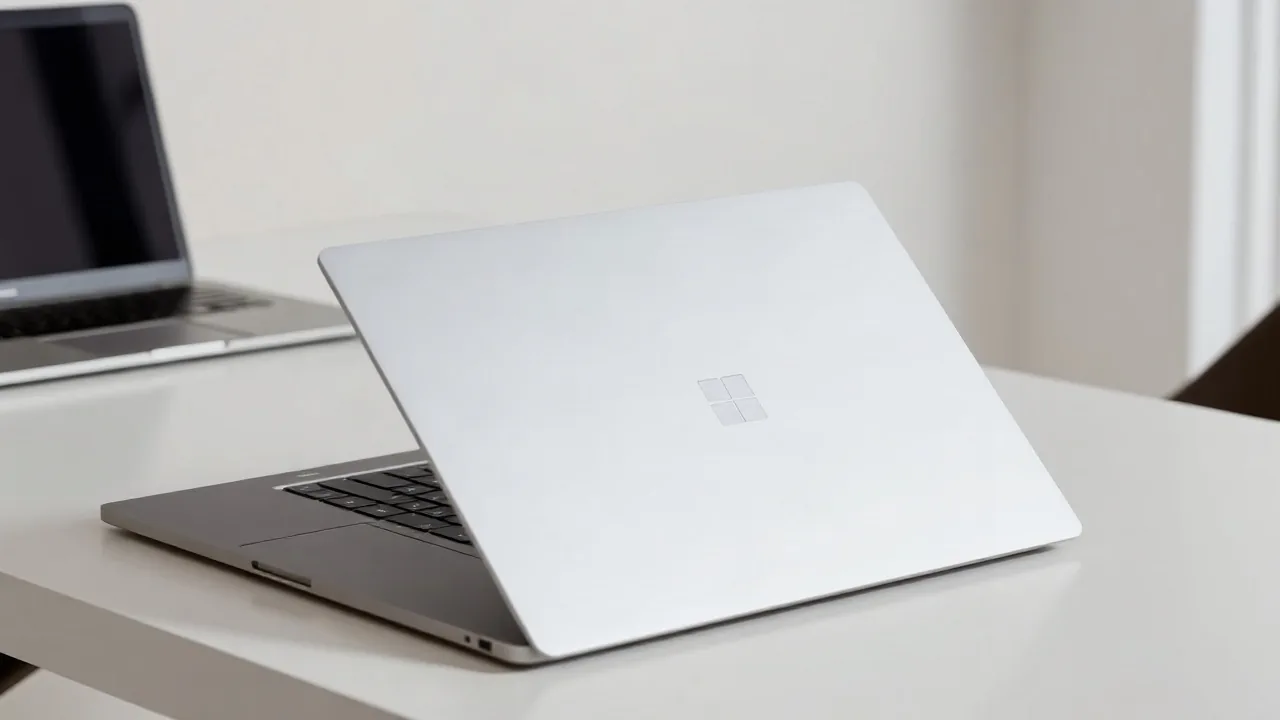
Microsoft's latest premium laptop, the Surface Laptop Ultra, has landed in the hands of reviewers, positioning itself as a direct competitor to Apple's MacBook Pro. Launched in October 2026, the device aims to blend high-end performance with the sleek aesthetics synonymous with Apple's flagship laptop, all within the Windows ecosystem. Early impressions highlight its striking design and innovative features, but questions remain about its ability to truly challenge the reigning champion in the premium laptop market.
The Surface Laptop Ultra boasts a build quality that reviewers have described as exceptional, featuring a lightweight yet sturdy chassis. Its display is praised for its vibrant colors and sharp resolution, making it ideal for creative professionals and everyday users alike. Under the hood, the laptop is powered by the latest processors and, in some configurations, a dedicated NVIDIA RTX Spark GPU, promising robust performance for demanding tasks.
A New Approach to Premium Computing
While the Surface Laptop Ultra shares a similar premium positioning to the MacBook Pro, Microsoft has taken a distinct approach to its design and feature set. Unlike the more conventional clamshell design of many laptops, the Surface Laptop Ultra incorporates subtle innovations aimed at enhancing user experience. Some configurations are noted for their impressive battery life, a critical factor for users who rely on their laptops throughout the day without constant access to a power outlet. However, early benchmarks and real-world usage tests reveal a mixed performance picture when directly compared to the consistently optimized performance of the MacBook Pro. For instance, while the RTX Spark GPU offers potential for gaming and specific creative applications, its integration and optimization within the Windows environment are still under scrutiny by reviewers.
One area where the Surface Laptop Ultra aims to differentiate itself is through its unique haptic feedback trackpad and an emphasis on seamless integration with the broader Microsoft Surface ecosystem. This integration promises a fluid experience for users invested in Microsoft's hardware and software. However, the true test for any MacBook Pro competitor lies in its ability to offer a compelling software experience, efficient thermal management under load, and a price point that justifies its premium tag. Early reviews indicate that while the hardware is impressive, the software optimization and sustained performance, especially with the dedicated graphics, still lag behind the mature ecosystem of the MacBook Pro.
The competitive landscape for premium laptops has long been dominated by Apple's MacBook Pro, a device lauded for its powerful M-series chips, excellent build quality, and optimized macOS operating system. Microsoft's continuous efforts with the Surface line, and now the Surface Laptop Ultra, signify a serious commitment to capturing a larger share of this lucrative market. The introduction of dedicated graphics, like the RTX Spark, on a sleek, ultra-portable Windows machine is a significant step, but the challenge lies in translating that hardware potential into a consistently superior user experience that can sway loyal MacBook users or attract new premium buyers. Whether the Surface Laptop Ultra can achieve this will depend on continued software updates, developer support, and Microsoft's ability to refine its hardware-software integration in future iterations.