
Apple TV 4K 2026: What the New Model Missed
Apple's latest Apple TV 4K introduced minor upgrades, leaving some features consumers hoped for on the table. The device focuses on incremental improvements rather than a major overhaul.

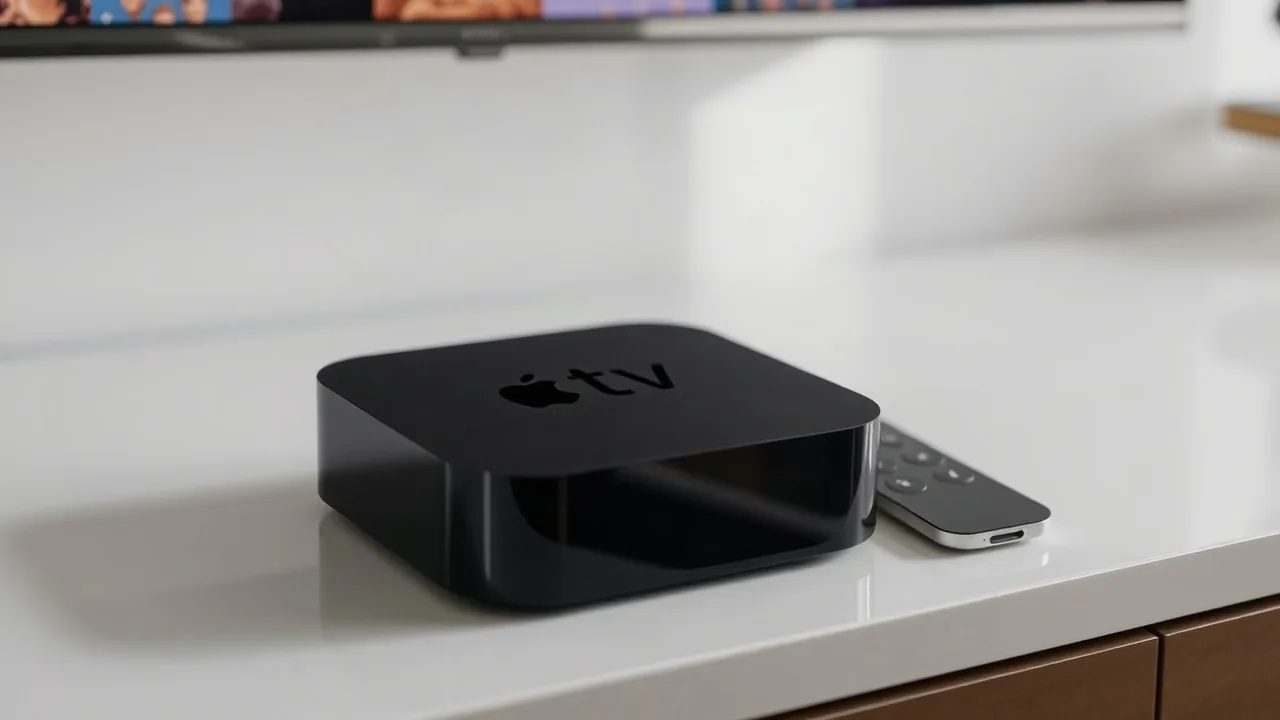
Apple unveiled its latest Apple TV 4K model on October 14, 2026, but the update left many consumers and reviewers feeling that the tech giant missed a significant opportunity to innovate. While the new device offers some welcome enhancements, it largely reiterates the design and functionality of its predecessor, failing to incorporate features widely anticipated by the market.
The new Apple TV 4K boasts an updated A16 Bionic chip, offering a performance boost for apps and games. It also includes Wi-Fi 6E support for faster, more reliable network connections. However, the external design remains unchanged, and the remote control, while receiving minor tweaks, still lacks the full functionality some users desire. The absence of features like 120Hz refresh rate support and a dedicated Ethernet port on the Wi-Fi-only model are notable omissions given the device's premium pricing.
Unfulfilled Expectations for 2026
Industry analysts and tech enthusiasts had predicted a more substantial upgrade for the 2026 Apple TV 4K. Expectations included support for higher refresh rates to enhance gaming and sports viewing experiences, a more robust remote with greater customization options, and potentially a built-in UWB (Ultra Wideband) chip for enhanced Find My functionality. The current model, however, only offers 60Hz output and continues to rely on its existing remote design, which has drawn criticism in the past for its limited programmability and ease of accidental drops.
Speaking on the update, tech analyst Sarah Chen stated, "Apple has a history of iterating rather than revolutionizing with its set-top box. While the performance gains are appreciated, the lack of significant new features, particularly around display capabilities and user interaction, feels like a missed chance to truly push the living room experience forward in 2026." The company’s focus appears to be on refining the existing user interface and integrating further with its ecosystem, rather than introducing groundbreaking hardware advancements for the Apple TV 4K.
The inclusion of Siri AI capabilities, while a step forward in voice interaction, is also seen by some as an incremental addition rather than a transformative one. Competitors have been integrating more advanced AI features into their smart home hubs and streaming devices for some time. Apple's approach seems to prioritize seamless integration within its own product family, potentially at the expense of broader, more versatile functionality.
Contextually, the streaming devices market continues to evolve rapidly. With the rise of 4K HDR content, high-fidelity gaming on TVs, and the increasing demand for smart home integration, consumers are looking for devices that can offer a comprehensive entertainment hub. The Apple TV 4K, while a strong contender within the Apple ecosystem, faces stiff competition from devices that offer more flexibility and advanced features at comparable or lower price points. The streaming devices market is increasingly competitive, with rivals offering more open platforms and advanced features at competitive price points.
The previous generation Apple TV 4K, released in 2022, also received incremental updates. This pattern suggests that Apple may be strategically positioning the Apple TV 4K as a stable, reliable component of its ecosystem, prioritizing software updates and AI integration over frequent hardware overhauls. However, for consumers seeking the absolute latest in display technology or advanced remote functionalities, the 2026 Apple TV 4K may prove to be a less compelling upgrade than anticipated.