
Giant New Dinosaur Species Discovered in Thailand
Paleontologists have identified a new dinosaur species in Thailand, "Nagatitan chaiyaphumensis," an immense plant-eater that dwarfs the Tyrannosaurus rex in size. The discovery was made from fossilized leg bones found in 2016.

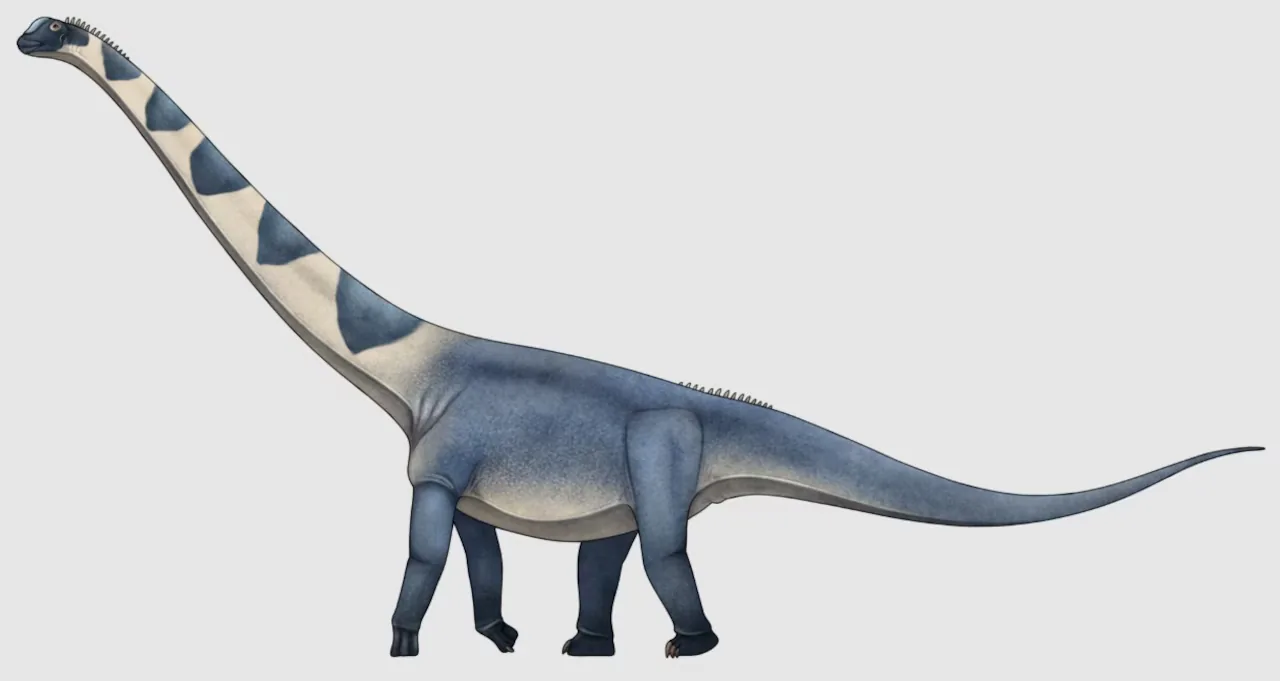
Paleontologists have identified a new species of dinosaur in Thailand, a colossal plant-eater named Nagatitan chaiyaphumensis, which significantly outsized the famed Tyrannosaurus rex. The discovery, announced by researchers from Thailand and London, is based on fossilized leg bones unearthed in 2016 from the banks of a pond in northeastern Thailand. This marks the 14th distinct dinosaur species to be formally named from the region.
The immense proportions of Nagatitan chaiyaphumensis are striking. Scientists estimate the creature weighed approximately 60,000 pounds and stretched nearly 89 feet from head to tail. For comparative context, a large Tyrannosaurus rex typically weighed around 15,000 pounds and measured about 39 feet in length, making the newly identified dinosaur roughly four times heavier. This discovery adds a significant giant to the prehistoric record of Southeast Asia.
Belonging to the sauropod group, which includes well-known dinosaurs like Diplodocus and Brontosaurus, Nagatitan chaiyaphumensis possessed the characteristic long necks, sturdy, thick legs, and substantial body cavities typical of these herbivorous giants. Sauropods are renowned for their enormous size and their plant-based diets.
A Monumental Find in Thailand's Fossil Record
The fossils were initially discovered by chance during a geological survey near a pond in the Chaiyaphum province of Thailand. The sheer size of the leg bones prompted further investigation, leading to the meticulous excavation and analysis of the remains. It took several years of detailed study and collaboration between paleontologists at Mahidol University in Bangkok and the Natural History Museum in London to confirm that the bones represented a previously unknown species.
The identification process involved comparing the morphology of the discovered bones with those of other known sauropod species. Key anatomical features, particularly in the femur and tibia, provided distinct evidence for a new classification. The naming of the dinosaur, Nagatitan chaiyaphumensis, honors both the mythological Naga, giant serpent deities from Southeast Asian folklore, and the province where the fossils were found.
This find underscores the rich paleontological heritage of Thailand and its potential for yielding significant discoveries about dinosaur evolution in Asia. The discovery of such a large herbivore suggests a robust ecosystem capable of supporting giant life forms during the Cretaceous period. Further expeditions in the region are anticipated to uncover more about the environment and other species that coexisted with Nagatitan chaiyaphumensis.