
SpaceX Starship V3 Rocket Features Major Upgrades for Lunar Missions
SpaceX is set to launch its significantly redesigned Starship V3 rocket on May 19. This version boasts more powerful engines and improved fuel systems, crucial for NASA's Artemis moon program.

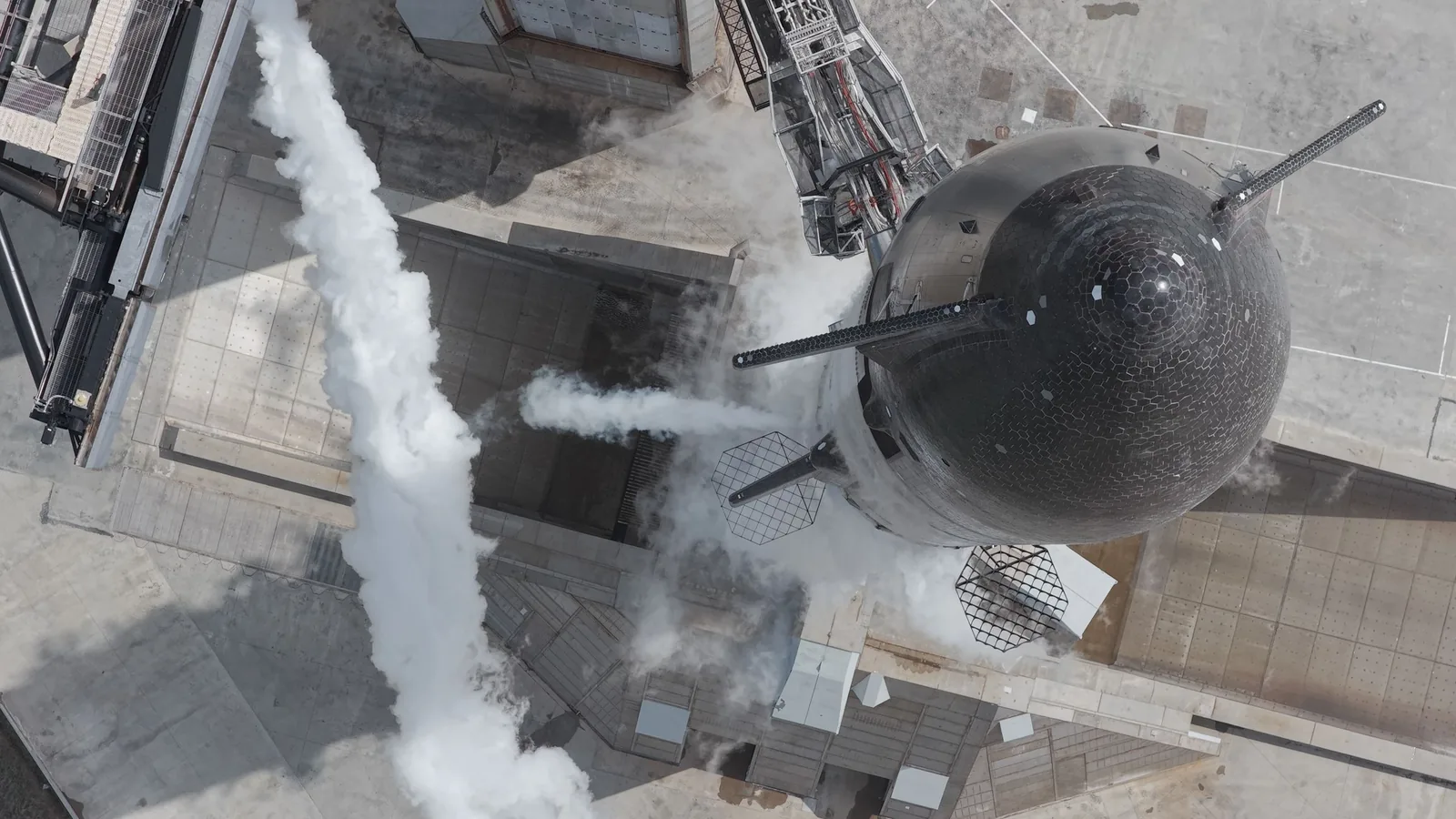
SpaceX is preparing to launch the latest iteration of its colossal Starship rocket, designated Version 3 (V3), on a planned debut flight on May 19. This new model represents a substantial design evolution from its predecessors, incorporating lessons learned from 11 previous test flights. The goal is to advance Starship from its experimental phase toward a fully operational, rapidly reusable launch system capable of supporting ambitious missions, including crewed lunar landings for NASA.
The Starship V3, which stands approximately 5 feet taller than earlier versions, features a complete overhaul of both its Super Heavy booster and Ship upper stage. A key enhancement is the integration of SpaceX's new Raptor 3 engine across all 33 engines on the Super Heavy booster. These engines offer increased power and reliability, collectively generating over 18 million pounds of thrust at liftoff. The Super Heavy booster is now equipped with three larger grid fins, a reduction from four, positioned lower on the trunk to better withstand the intense heat generated during the hot-stage separation process, where the Ship upper stage ignites its engines before detaching.
Further refinements to the Super Heavy booster include a redesigned internal fuel transfer tube, now described as being roughly the size of a Falcon 9 first stage. This upgrade facilitates faster and simultaneous ignition of the Raptor 3 engines during launch and landing sequences. SpaceX has also fortified the aft end of the booster, which houses the engines, to enhance heat resistance through tighter integration of fuel, power, and computing systems.
Advancements for Deep Space Operations
The Ship upper stage has also received significant upgrades. Internally, changes to plumbing and wiring layouts in its aft section are implemented, alongside a larger propellant tank. A more advanced reaction control system is also part of the V3 design. Crucially, SpaceX has made substantial improvements to how Starship handles cryogenic fuels. This includes the addition of four docking ports along the spacecraft's body and a specialized system designed for managing cryogenic propellants in zero gravity.
Mastery of cryogenic propellant transfer is a critical, yet unproven, capability for Starship. For the vehicle to undertake missions beyond low Earth orbit, such as transporting astronauts to the moon, it will require in-orbit refueling. This capability is essential for meeting NASA's ambitious timeline for the Artemis program, which aims to land astronauts on the moon. SpaceX is a key contractor for NASA's lunar lander program, and successful demonstrations of Starship's readiness, including its cryogenic fuel management and refueling capabilities, are prerequisites for crewed flights.
NASA is targeting late 2027 for the Artemis 3 mission, a crucial test flight that will involve launching the Orion spacecraft to low Earth orbit. During this mission, Orion will practice docking procedures with a Starship lander, or potentially Blue Origin's competing Blue Origin lander, the Blue Moon. The agency aims for a lunar landing with the Artemis 4 mission in late 2028, contingent on the successful maturation of Starship technology. These upcoming flights underscore the urgency for SpaceX to demonstrate the advanced capabilities of its Starship V3, moving it closer to supporting humanity's return to the lunar surface.