
Oura Ring 5 Review: Smaller Design, Familiar Features
The Oura Ring 5 offers a sleeker, lighter design but brings few functional upgrades over its predecessor. While new software features are available, they are not exclusive to the latest model.

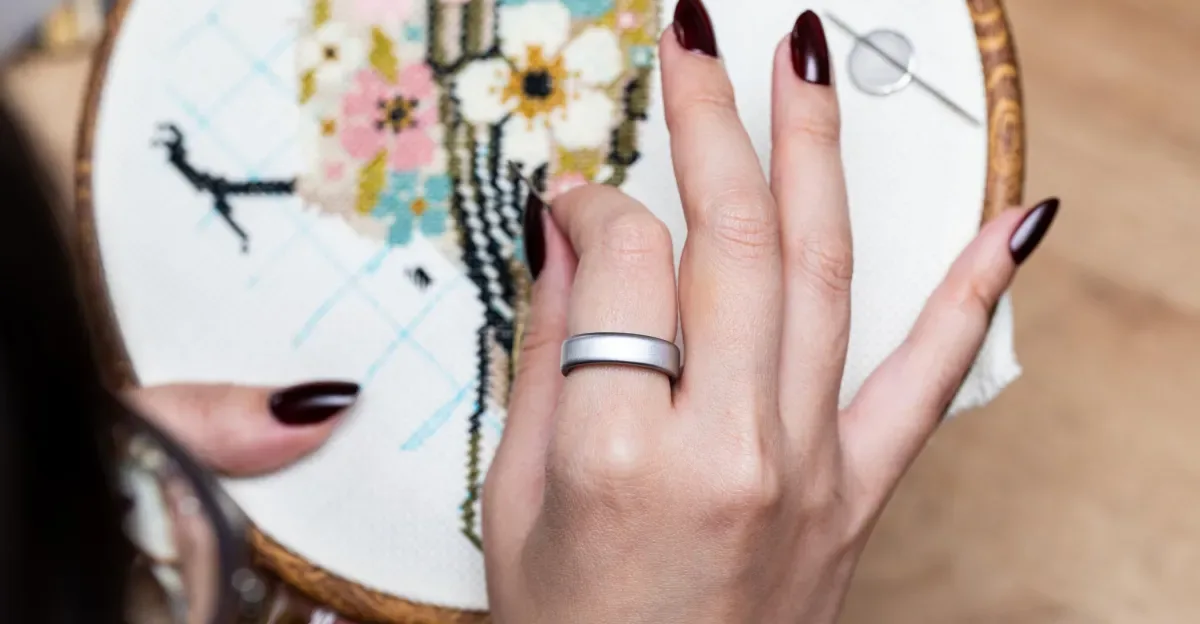
The latest iteration of the popular wearable, the Oura Ring 5, has arrived, presenting a notably slimmer and lighter profile compared to its predecessors. For those new to the smart ring market, it stands as a capable health tracker and a top contender among smart rings. However, for existing Oura users, particularly those with the Oura Ring 4, the upgrade proposition is less compelling, as the core technology and many of the advanced features remain consistent.
The Oura Ring 5 continues Oura's legacy of focusing on discreet health monitoring. Its primary hardware advantage lies in its refined physical design, making it more comfortable for a wider range of users. Despite the aesthetic improvements, the sensor suite, battery performance, and overall functionality are largely unchanged from the Oura Ring 4. Crucially, many of the new software capabilities introduced with the Ring 5 are also accessible to users of previous generations, diminishing the urgency for an immediate upgrade.
Evolving Software Capabilities
Oura has bolstered the Ring 5's software with several new features, aiming to provide more comprehensive health insights. Among these are GLP-1 Insights, designed to help users manage medications and track associated symptoms, and a Health Radar that consolidates various health signals for a holistic view of significant changes. The platform also now supports medical lab imports, allows for data deletion from specific periods, enhances live activity tracking, and integrates a medical AI chatbot that can facilitate connections with healthcare professionals via Counsel Health. While these additions enhance the Oura ecosystem, their availability across multiple ring generations means they are not exclusive selling points for the Ring 5. This expansion, while potentially valuable, has also led to a more complex and cluttered user interface in the Oura app, a departure from the simpler user experience that initially attracted many to the brand.
The GLP-1 Insights feature, for instance, allows users to log medication dosages and injection sites, while the AI can offer context on experienced symptoms. However, its effectiveness is maximized with consistent daily tracking, which might be burdensome for long-term users. Similarly, the nighttime breathing pattern analysis, which now provides a 30-day prevailing pattern and associated factors, can be difficult to locate within the app's menus. The integration of an AI chatbot for medical queries is a noteworthy step, offering a more accessible alternative to immediate doctor visits for minor concerns, though professional medical advice remains paramount for serious health issues. The Oura app, which I've been testing since 2019, has evolved significantly. What was once a straightforward interface for activity, readiness, and sleep scores has become a dense hub of information, potentially leading to data fatigue for users seeking simplicity.
From a hardware perspective, the Oura Ring 5 introduces a more durable metal finish compared to the non-ceramic Ring 4, though it is not immune to wear and tear, as evidenced by minor nicks sustained during testing. A notable drawback is the absence of a ceramic finish option for the Ring 5, a popular choice among users for its resilience. Furthermore, the sizing range has been narrowed, excluding sizes 4, 5, 14, and 15, which may impact accessibility for some individuals. Oura attributes this to assessing demand for its expanded range in the Ring 4. The charging case, a separate $99 accessory, is also a departure from previous models where it was included. This also means previous charging cases are not compatible with the new ring size.
Ultimately, the Oura Ring 5 represents an incremental update rather than a revolution. While its refined design is aesthetically pleasing and comfortable, the core functionality and many software enhancements are available on older models. For potential new adopters, it remains a leading choice in the smart ring category. However, for current Oura users, the justification for an upgrade hinges on individual priorities, with the existing Oura Ring 4 likely sufficing for many. The company's strategic direction seems to lean towards feature expansion, but the challenge lies in balancing this with the user-centric simplicity that defined Oura's initial appeal in the crowded wearable technology market.