
Apple's Car Project Spurred AI Chip Dominance, M7 Chip Eyed
Apple's defunct self-driving car initiative unexpectedly fueled its AI chip advancements, notably the Neural Engine. The upcoming M7 chip is set to expand these capabilities.

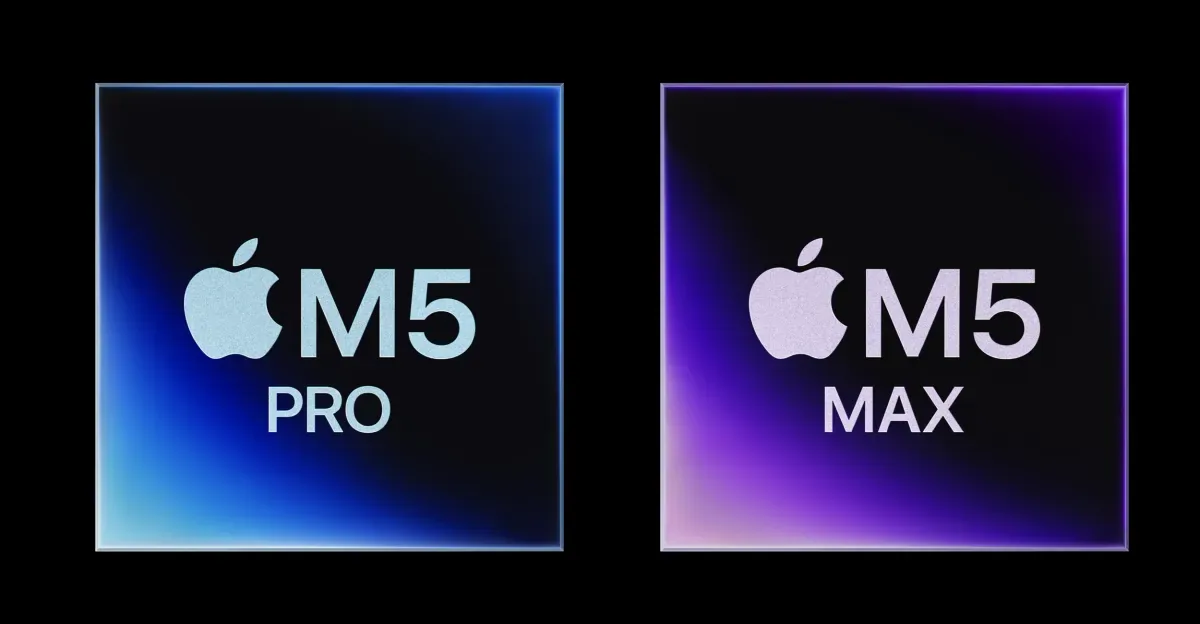
Apple's ambitious but ultimately shelved self-driving car project has left a significant, albeit indirect, legacy: the powerful artificial intelligence chips that now define the company's hardware. While the autonomous vehicle itself never materialized, the stringent demands of its development spurred innovation that now underpins many of Apple's most advanced consumer electronics. The critical realization was the need for potent on-device AI processing, a requirement that directly led to the creation of the Neural Engine, the core component of Apple's AI capabilities.
This groundbreaking technology first appeared in the iPhone X alongside the A11 Bionic chip. Initially, the Neural Engine was instrumental in powering features like Face ID, Animoji, and augmented reality applications, primarily through its advanced computer vision processing. However, the foundational work laid for mobile AI processing soon expanded, extending to Apple's desktop and laptop offerings with the introduction of the M-series chips. This strategic move positioned Apple as an early leader in integrating powerful AI hardware directly into personal computing devices, a stark contrast to competitors who often relied more heavily on cloud-based AI solutions.
AI Hardware as a Strategic Pillar
While Apple's advancements in AI software have sometimes drawn comparisons to competitors, its prowess in AI hardware has been consistently impressive. This focus on internal silicon development has not only yielded performance gains but also bolstered Apple's strong emphasis on user privacy. By enabling more processing to occur directly on the device, less sensitive user data needs to be transmitted to the cloud, aligning with the company's privacy-centric messaging. Apple is now leveraging this AI hardware expertise as a central pillar of its future product strategy.
According to industry insights, the company is reportedly streamlining its upcoming M6 chip lineup, potentially omitting the Pro, Max, and Ultra variants. Instead, development efforts are being accelerated for the M7 chip, with an anticipated release in the first half of 2027. This next-generation processor is expected to feature substantial upgrades to the Neural Engine, further enhancing its AI performance. Furthermore, whispers suggest that an M7 Ultra variant could serve as the foundation for a new line of Apple server products, boasting support for an astonishing 1.5 terabytes of RAM. This move would signal Apple's intent to compete more directly in the server market, leveraging its custom silicon for demanding enterprise workloads. The journey from a car project to industry-leading AI chips highlights Apple's iterative development process and its ability to pivot technological breakthroughs into broader applications. The ongoing evolution of the Neural Engine is a testament to the long-term vision born from the ashes of its autonomous vehicle aspirations.