
Apple's Next-Gen M-Series Chips to Integrate Advanced AI
Apple is reportedly planning its M6, M7, and M8 chips with a strong focus on AI integration, aiming to redefine its product capabilities in the evolving tech landscape. The company is also enhancing its retail operations with new Apple Pencil models and expanded tap-to-pay functionality.

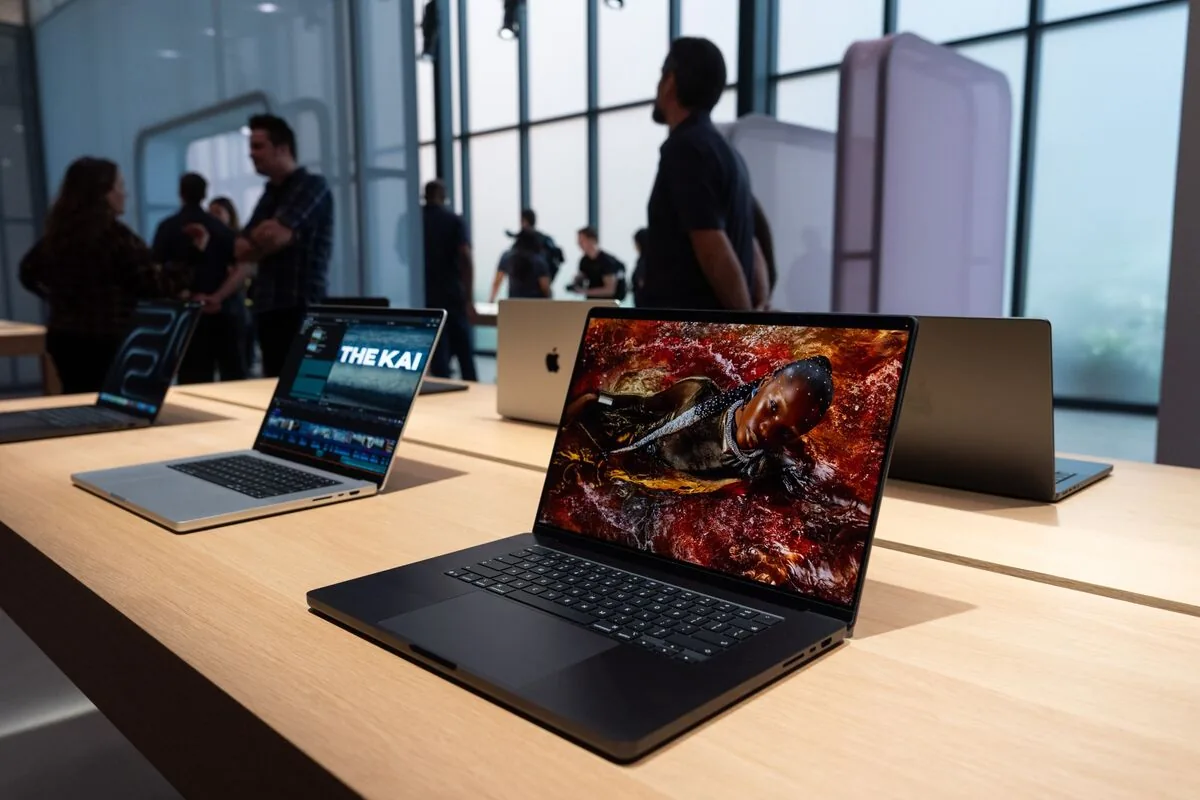
Apple is charting a new course for its Mac processors, with the upcoming M6, M7, and M8 chips signaling a significant pivot towards artificial intelligence integration. This strategic shift aims to embed advanced AI capabilities directly into the core architecture of its devices, reshaping user experiences and computational power for the AI-driven era. The company's internal chip development roadmap, revealed through industry sources, suggests a proactive approach to staying at the forefront of technological advancement.
Beyond internal silicon, Apple is also reportedly gearing up for a refresh of its accessories, including new iterations of the Apple Pencil. These updates are expected to complement the enhanced capabilities of future Macs and iPads, offering users more intuitive and powerful tools for creative and productive tasks. Furthermore, Apple is looking to streamline transactions within its own retail stores by increasing the availability and adoption of its tap-to-pay feature, a move that aligns with a broader industry trend towards contactless payments.
AI Integration Driving Apple's Chip Strategy
The development of the M6, M7, and M8 chips is not merely an incremental upgrade; it represents a fundamental reorientation of Apple's silicon strategy. While specific details remain under wraps, the emphasis on AI suggests processors designed to handle complex machine learning tasks more efficiently. This could manifest in faster on-device processing for features like natural language understanding, advanced image and video analysis, and more personalized user experiences powered by predictive algorithms. The move aligns with a broader industry trend where AI is becoming a central component of next-generation computing hardware.
The performance gains expected from these new chips are crucial for Apple's ecosystem. As AI applications become more sophisticated and demanding, having custom-designed silicon that can power these tasks without significant battery drain or performance degradation is a competitive advantage. Sources indicate that the M7 series will likely include variants such as the M7 Pro, M7 Max, and M7 Ultra, suggesting a tiered approach to performance and feature sets tailored to different product lines, from MacBook Air to MacBook Pro and potentially even Mac Studio.
The push for enhanced AI capabilities in hardware is a response to the rapidly evolving technological landscape. Competitors are also heavily investing in AI-optimized chips, making it imperative for Apple to not only keep pace but to innovate. The potential for these new chips to unlock new software features and services is significant. Imagine real-time language translation integrated seamlessly into video calls, or creative applications that can generate complex designs based on simple text prompts, all processed locally on the device for speed and privacy. This focus on local AI processing also addresses growing concerns about data privacy, as sensitive information can be processed without needing to be sent to remote servers.
The inclusion of Apple Pencil updates alongside the new chip announcements points to a cohesive strategy. The stylus, already a powerful tool for artists and note-takers, could see enhanced features that leverage the increased processing power. This might include more responsive drawing, advanced pressure sensitivity detection, or even AI-assisted features within creative applications that are specifically optimized for the Apple Pencil and the new M-series chips. The goal appears to be creating a more integrated and intelligent hardware-software experience across Apple's product range.
The expansion of tap-to-pay in Apple's retail stores is another piece of the puzzle, reflecting a commitment to modernizing the customer experience. While not directly tied to chip development, it underscores Apple's focus on ease of use and convenience. By making contactless payments more ubiquitous, Apple is simplifying the purchasing process for consumers, potentially leading to increased sales and customer satisfaction. This initiative, combined with the powerful new silicon and accessory updates, paints a picture of a company strategically positioning itself for the next decade of technological innovation, with AI at its core.