
Google Pixel 11 Price Hikes Spark User Concerns Over Value
Google's upcoming Pixel 11 series is reportedly facing significant price increases, with models expected to jump by $100. This comes as users question the value proposition against competitors and internal hardware.

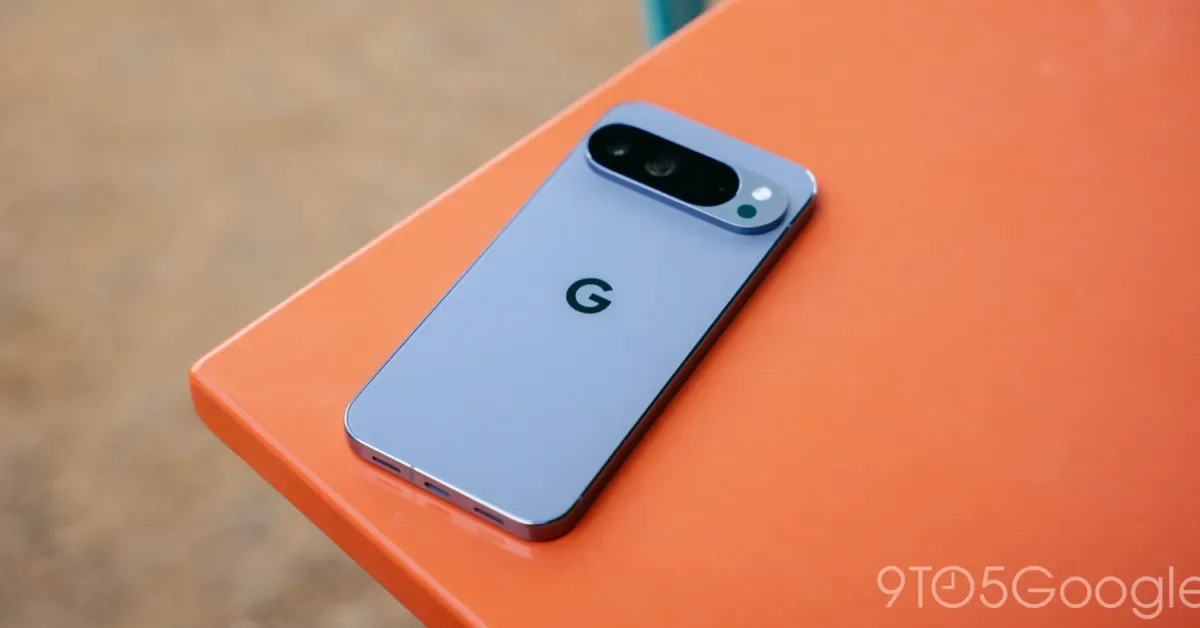
Google has officially announced an August 12 event where the highly anticipated Pixel 11 series is expected to be unveiled, alongside the Pixel Watch 5. However, just hours before the announcement, a report surfaced detailing potential pricing for the new Pixel lineup, suggesting substantial price hikes across all models. If the report proves accurate, the Pixel 11 series could see an increase of approximately $100 per device, pushing the phones firmly into premium flagship territory.
The rumored pricing indicates the base Pixel 11 could start at $899, the Pixel 11 Pro at $1,099, the Pixel 11 Pro XL at $1,299, and the foldable Pixel 11 Pro Fold at an estimated $1,899. These figures represent a notable jump from previous generations, particularly as Google's in-house Tensor chips, while improving, are still generally considered to be less powerful than the top-tier Snapdragon processors found in competing high-end devices. This disparity in raw performance raises questions about the value proposition for consumers, especially when the Pixel devices are priced comparably to their Snapdragon-powered rivals.
Hardware Concerns and Storage Changes
A key area of concern for potential buyers is the performance and capabilities of Google's Tensor G6 chip, which will power the Pixel 11 series. While Tensor chips have shown progress, they have historically lagged behind the leading Snapdragon processors in demanding tasks like gaming and have faced persistent issues with heat management. The prospect of paying top-tier flagship prices for hardware that may not match the raw power of competitors is a difficult pill to swallow for many. The report also suggests that some models might see a reduction in RAM, with the base Pixel 11 potentially dropping to 8GB and Pro models to 12GB. This alleged decrease in RAM, coupled with higher prices, is particularly concerning given Google's increasing focus on AI features, which often require substantial memory resources.
The decision to eliminate the 128GB base storage tier, a move long overdue according to many observers, does offer some mitigation for the price increase. The Pixel 10 series' base storage of 128GB was seen as a significant drawback. However, this change effectively forces users into higher storage capacities, which, when combined with the price hike, further increases the overall cost. Additionally, the price gap between the Pixel 11 Pro and Pixel 11 Pro XL is reportedly widening to $200, a shift from the $100 difference seen in the Pixel 10 generation when comparing equal storage tiers. This larger gap makes the XL model comparatively more expensive.
The Pixel 11 Pro Fold is also facing scrutiny regarding its price increase. Critics argue that the foldable's design is not keeping pace with advancements in the foldable phone market. With competitors offering sleeker and potentially more robust form factors at similar or slightly higher price points, the estimated $1,899 cost for the Pixel 11 Pro Fold is being questioned. Users might find better value in newer foldable designs or even consider slightly older models at reduced prices.
Google's strategy with its Pixel phones has always been to offer a compelling software experience and camera prowess, often at a competitive price. However, these reported price increases, combined with perceived hardware limitations compared to competitors, could challenge that established value proposition. Consumers will be closely watching the Google Pixel 11 launch event on August 12 to see if the new devices can justify the higher cost through significant innovation or compelling new features that set them apart in a crowded and increasingly expensive smartphone market.