
Climate Tech Solutions Drive the Shift to Sustainable Energy
Climate tech innovations are accelerating efforts to combat global warming and reshape how companies approach environmental responsibility. Industry leaders are deploying renewable energy systems and carbon reduction tools at unprecedented scale.

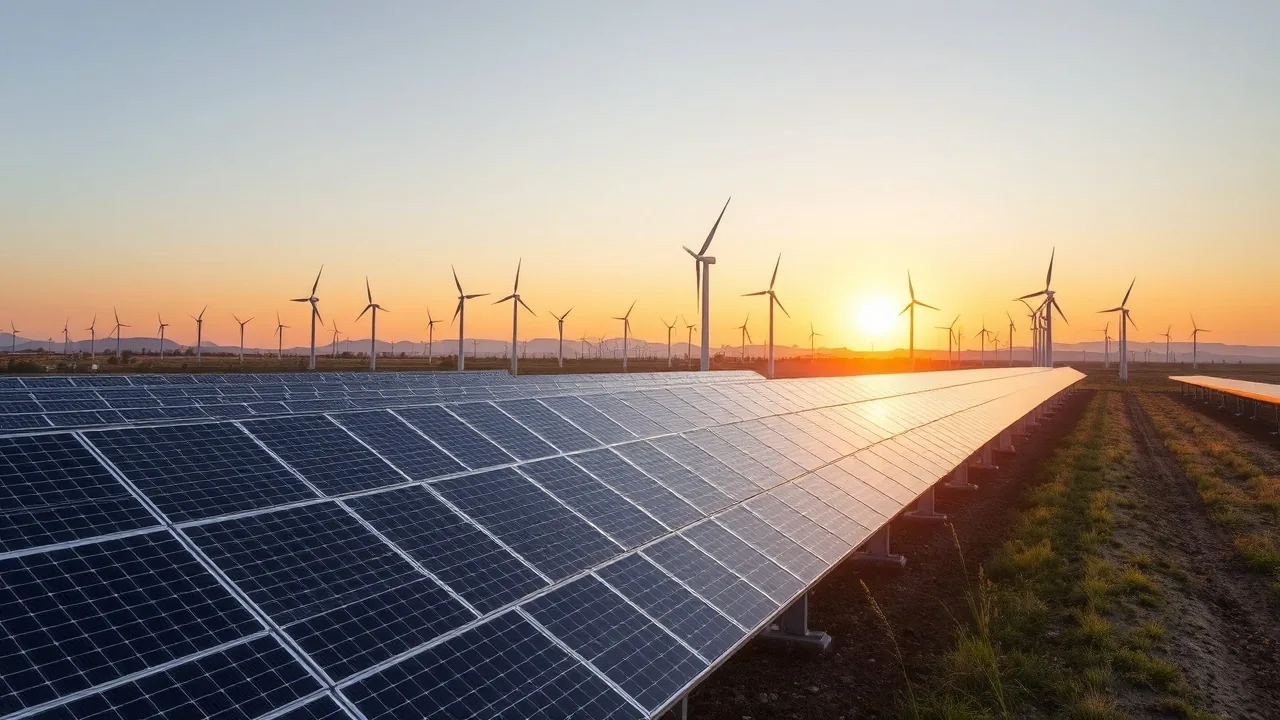
Ted Turner's decades-long advocacy for environmental stewardship mirrors a broader shift now reshaping global business: major corporations and startups are racing to deploy climate tech solutions that address carbon emissions, resource depletion, and ecosystem damage. The movement reflects both regulatory pressure and genuine market demand for enterprises to reduce their environmental footprint.
The global climate tech market reached $169 billion in 2023, according to BloombergNEF, and venture capital continues to flood into startups focused on decarbonization, energy efficiency, and renewable infrastructure. This capital influx signals investor confidence that green technology is not a niche sector but a core pillar of 21st-century commerce.
"We are at an inflection point where climate solutions have become economically competitive with legacy industries," said Michael Shellenberger, CEO of Environmental Progress and author of "Apocalypse Never," in recent remarks to energy industry stakeholders. "The cost curve on renewables, batteries, and carbon capture has fallen so steeply that business cases no longer require subsidy to pencil out."
Technologies Leading the Decarbonization Wave
Several categories of climate tech are now scaling rapidly across sectors. Companies are deploying solutions that span energy, agriculture, transportation, and industrial processes:
- Renewable energy systems: Solar, wind, and hybrid platforms that displace fossil fuel generation and reduce grid carbon intensity.
- Energy storage: Battery technologies and thermal storage systems that stabilize renewable power supply and lower peak demand charges.
- Carbon capture: Direct air capture (DAC) units and point-source capture at industrial facilities, enabling carbon removal and utilization.
- Building efficiency: Smart heating, cooling, and lighting systems that cut consumption 20-40 percent in commercial and residential spaces.
- Alternative fuels: Sustainable aviation fuel (SAF), green hydrogen, and biofuels for transport and heavy industry.
- Circular economy platforms: Software and logistics systems that extend product lifecycles and reduce waste streams.
These tools address a critical gap: while climate awareness has grown, actual emissions reductions at scale remain slow. Global carbon dioxide emissions hit a record 37.5 gigatons in 2023, despite two decades of climate policy negotiation. This gap is driving urgency among corporate sustainability officers and chief financial officers seeking measurable, auditable decarbonization pathways.
Corporate ESG Mandates Fuel Adoption
Large corporations now face mounting pressure from investors, regulators, and consumers to demonstrate measurable progress on ESG (environmental, social, and governance) metrics. The SEC's proposed climate disclosure rules, even in draft form, have accelerated corporate investment in emissions tracking and reduction infrastructure.
In the automotive sector, Tesla and legacy manufacturers like Ford and General Motors are deploying battery manufacturing and EV charging infrastructure at record pace. Ford announced $22 billion in capital allocation to electric vehicle and battery plants through 2025, reflecting the speed at which clean energy transition is reshaping industrial strategy.
Real estate and facility management firms are upgrading building systems with smart controls and renewable integration. JPMorgan Chase committed to net-zero greenhouse gas emissions by 2050 and is embedding climate considerations into all lending decisions and asset management operations. These moves are no longer voluntary marketing exercises; they reflect financial risk assessment and competitive positioning.
Barriers and Near-Term Outlook
Despite rapid growth, climate tech still faces adoption barriers. Policy inconsistency across states and nations creates investment uncertainty. Supply chain constraints for critical minerals (lithium, cobalt, rare earths) needed for batteries and grid components remain tight through 2025. Labor shortages in installation and maintenance of renewable systems slow deployment timelines.
Capital costs for large infrastructure projects--offshore wind farms, grid modernization, hydrogen production facilities--remain substantial. Blended finance mechanisms, including green bonds, concessional lending, and public-private partnerships, are emerging to bridge funding gaps. The Inflation Reduction Act allocated $369 billion to clean energy and climate initiatives, creating new incentive structures and supply-chain dynamics in the United States.
Industry analysts estimate that achieving net-zero emissions by 2050 will require annual climate tech investment of $2-3 trillion globally. Current deployment is on track for roughly half that level, creating both a challenge and an opportunity for startups and incumbent energy companies to capture market share in the coming decade.
The convergence of regulatory pressure, investor scrutiny, and competitive differentiation means that environmental solutions are moving from corporate sustainability statements into core business strategy and capital allocation. Enterprises that integrate climate tech early are positioning themselves for regulatory compliance, cost savings, and brand resilience in a carbon-constrained world.