
SpaceX Launch Schedule 2026: Starship Tests and NASA Missions
SpaceX has lined up multiple launches in 2026, including critical Starship test flights and cargo runs for NASA. Here's what to expect from the company's ambitious spaceflight roadmap.

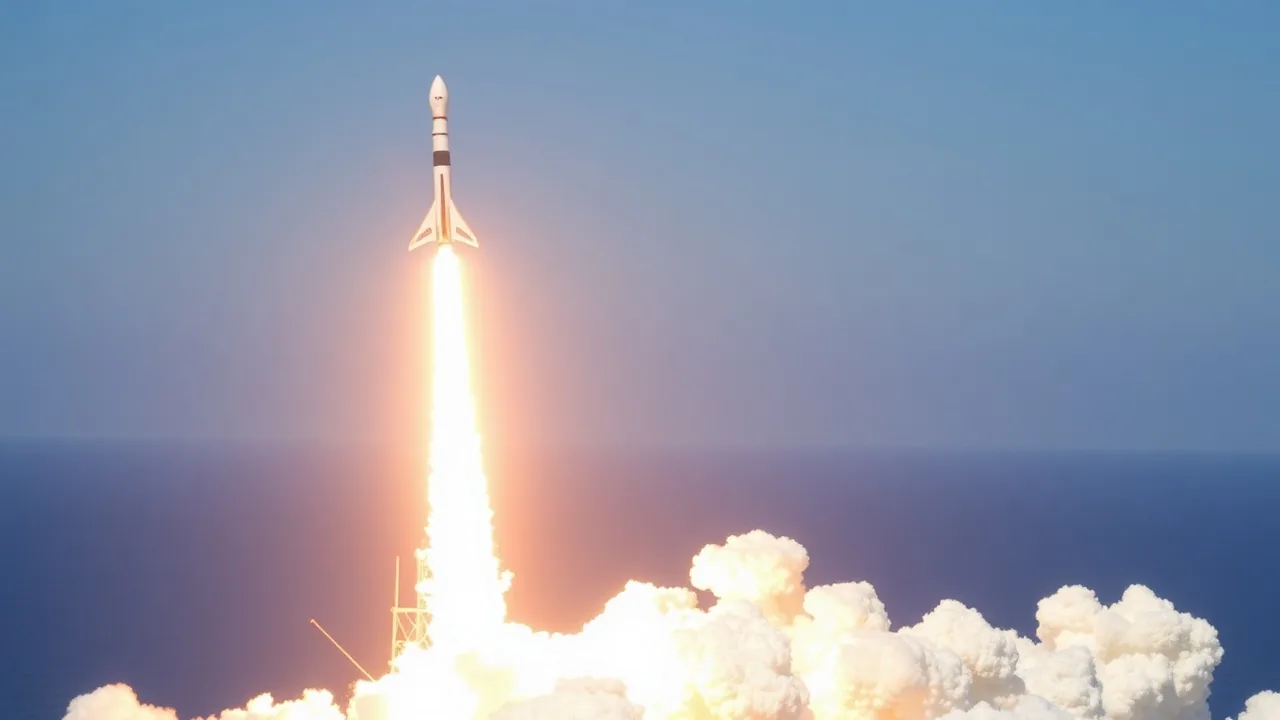
SpaceX is gearing up for one of its busiest launch years yet, with more than 40 missions planned across its Falcon 9 rockets and next-generation Starship vehicles throughout 2026. The schedule reflects the company's dual focus on commercial satellite deployment and pushing toward crewed deep-space exploration capabilities.
Elon Musk's aerospace firm has secured contracts worth billions from national security agencies, commercial customers, and NASA, cementing its position as the primary launch provider for U.S. spaceflight operations. The 2026 manifest includes regular cargo resupply missions to the International Space Station, national security launches, and experimental flight tests that will shape the future of human Mars missions.
Starship's Critical Test Flight Campaign
The centerpiece of SpaceX's 2026 calendar is the Starship integrated flight test program. These missions are designed to validate the full-stack rocket system, with particular emphasis on improving booster catch operations and refining the orbital refueling techniques required for eventual lunar and Mars missions.
SpaceX conducted its fifth integrated flight test of Starship in October 2024, and the company aims to complete at least three additional test flights through mid-2026. Each successive flight builds in complexity and duration, testing avionics, thermal management, and autonomous guidance systems under real flight conditions.
"The key milestones we're targeting involve demonstrating reliable booster catch at the launch tower, conducting on-orbit refueling operations, and extending flight duration to validate entry systems," said a SpaceX engineer speaking on condition of anonymity to industry analysts in April 2026. The test campaign represents the most aggressive development schedule in commercial spaceflight history.
The reusable booster catch mechanism, known internally as "chopstick arms," continues to be refined. Each test flight generates engineering data that feeds directly into design improvements for the next vehicle. This iterative approach accelerates the timeline for operational readiness compared to traditional aerospace development cycles.
NASA Partnership Missions and Cargo Operations
Beyond experimental flights, SpaceX maintains contracted obligations to NASA that dominate the launch cadence throughout 2026. The company operates under Commercial Resupply Services 2 (CRS2) agreements that require regular cargo deliveries to the International Space Station.
SpaceX's Dragon spacecraft will conduct at least 6 cargo missions to the station in 2026, delivering research equipment, consumables, and hardware for ongoing science experiments. These routine NASA missions provide steady revenue and operational experience that informs development of crew-capable variants.
In addition to station resupply, SpaceX will launch the Axiom-3 private astronaut mission in partnership with Axiom Space. This crewed mission extends SpaceX's role beyond government contracts into the emerging commercial spaceflight market. The company continues to advance rocket technology that enables both government and private customers.
National reconnaissance missions classified under the National Security Space Launch program consume a significant portion of the 2026 manifest. These payload deliveries to national security agencies remain confidential, but industry estimates suggest 4 to 6 such launches across the year. SpaceX competes with United Launch Alliance for these high-value contracts that fund continued development of heavy-lift capabilities.
Commercial Satellite Networks and Future Capacity
The broader spaceflight industry continues to depend on SpaceX's Falcon 9 for internet constellation deployment. Starlink, SpaceX's own satellite internet operator, requires dozens of launches annually to maintain and expand global coverage. Throughout 2026, expect frequent Falcon 9 missions dedicated solely to Starlink deployment.
Commercial partners relying on SpaceX for payload delivery include:
- Viasat and other broadband providers deploying satellite networks
- Earth observation companies conducting climate and agricultural monitoring
- Telecom operators expanding rural connectivity infrastructure
- Government agencies managing communications infrastructure
The company's demonstrated reuse rate of first stages has reduced launch costs to levels that make previously marginal missions economically viable. SpaceX recovers and reflies Falcon 9 boosters routinely, with some cores flying 15 or more times. This operational model has pressured competitors and reshaped how the entire industry approaches launch economics.
Looking at the technical achievements, SpaceX's grid fins continue to enable precision booster landing in ocean or land environments. The company has refined manufacturing processes that allow booster turnaround times of weeks rather than months, increasing launch frequency without proportionally increasing vehicle inventory.
Challenges and Industry Competition Ahead
Despite SpaceX's dominance, emerging competitors are establishing operational capabilities that will fragment market share by late 2026. Rocket Lab's Neutron vehicle is expected to enter service mid-year, targeting the medium-lift segment that SpaceX has historically served with Falcon 9.
Relativity Space and other advanced manufacturing entrants are promising 3D-printed rocket components that could reduce production costs further. These technologies may take years to mature, but they represent genuine threats to SpaceX's long-term pricing advantage.
Regulatory scrutiny of environmental impacts from increasing launch frequency is also mounting. The Federal Aviation Administration has begun environmental reviews of expanded launch operations at coastal facilities in Texas and Florida, potentially affecting the 2026 cadence if new restrictions are imposed.
The 2026 SpaceX launch calendar ultimately reflects a company executing on multiple fronts: proving out revolutionary aerospace technologies, delivering contracted government services, and building commercial revenue streams. Success across all three vectors positions SpaceX as the dominant provider of launch services through the end of the decade.