
SiriusXM Satellite Launch: SpaceX Falcon 9 Lifts Off for Constellation Refresh
SpaceX launched a 7.5-ton SiriusXM satellite on a Falcon 9 rocket Sunday evening from Cape Canaveral. The new satellite, SXM-11, will replace aging broadcast satellites and enhance service coverage across North America.

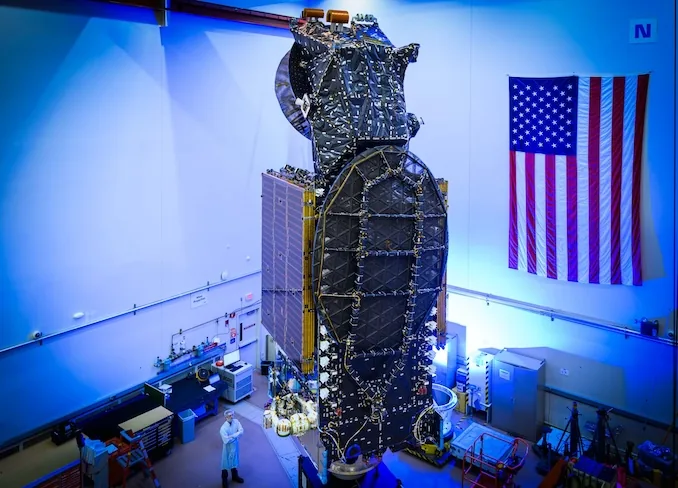
A powerful 7.5-ton SiriusXM satellite is now en route to orbit following a successful launch by a SpaceX Falcon 9 rocket Sunday night from Cape Canaveral Space Force Station. Liftoff occurred at 10:25 p.m. EDT, initiating a mission to refresh the satellite radio provider's constellation and improve broadcasting services across the United States, Canada, and the Caribbean.
The satellite, designated SXM-11, is designed to replace two older satellites, XM-5 and Sirius FM-5, which have been in geostationary orbit since 2010 and 2009, respectively. Manufactured by L3Harris Technologies, a subsidiary of Intuitive Machines, the SXM-11 is the most powerful in SiriusXM's fleet. It is expected to enhance signal reception and expand coverage, particularly in Alaska.
The Falcon 9 booster, tail number B1085, successfully launched the satellite and is scheduled for a landing on the drone ship 'A Shortfall of Gravitas' in the Atlantic Ocean approximately 8.5 minutes after liftoff. This marks the 17th flight for this particular booster, which has previously supported missions including NASA's Crew-9 and numerous Starlink deployments.
Upgrading Broadcast Infrastructure
The deployment of SXM-11 represents a significant step in SiriusXM's ongoing effort to modernize its broadcast infrastructure. The new satellite, based on the IM-1300 platform, boasts an extended wingspan of 106 feet with its solar panels deployed. Approximately 60 percent of its substantial 7.5-ton mass is comprised of onboard fuel, essential for maneuvering into its final orbital position.
SiriusXM highlighted the importance of the new satellite in a recent statement. "As the most powerful high-powered satellite in SiriusXM’s fleet, SXM-11 will help enhance signal reception, expand coverage in Alaska, and support the delivery of audio entertainment and information services across the United States, Canada, and the Caribbean," the company shared on its LinkedIn page. This upgrade aims to ensure continued high-quality service for its millions of subscribers.
The previous satellite in this refresh cycle, SXM-10, launched in June 2025 and is projected to remain operational until 2040, according to SiriusXM's filings with the U.S. Securities and Exchange Commission (SEC). This longevity demonstrates the expected lifespan and reliability of these advanced broadcasting assets.
Weather conditions at the time of launch were favorable, with the 45th Weather Squadron forecasting a 90 percent chance of good conditions. Meteorologists had been monitoring for potential interference from cumulus and anvil clouds, but these concerns diminished as the night progressed, allowing for a smooth ascent into orbit.