
Spotify QR Code Verification Targets Account Sharing
Spotify is implementing a new QR code verification system to prevent users from sharing Family plans outside of their household. Violators risk a one-year ban.

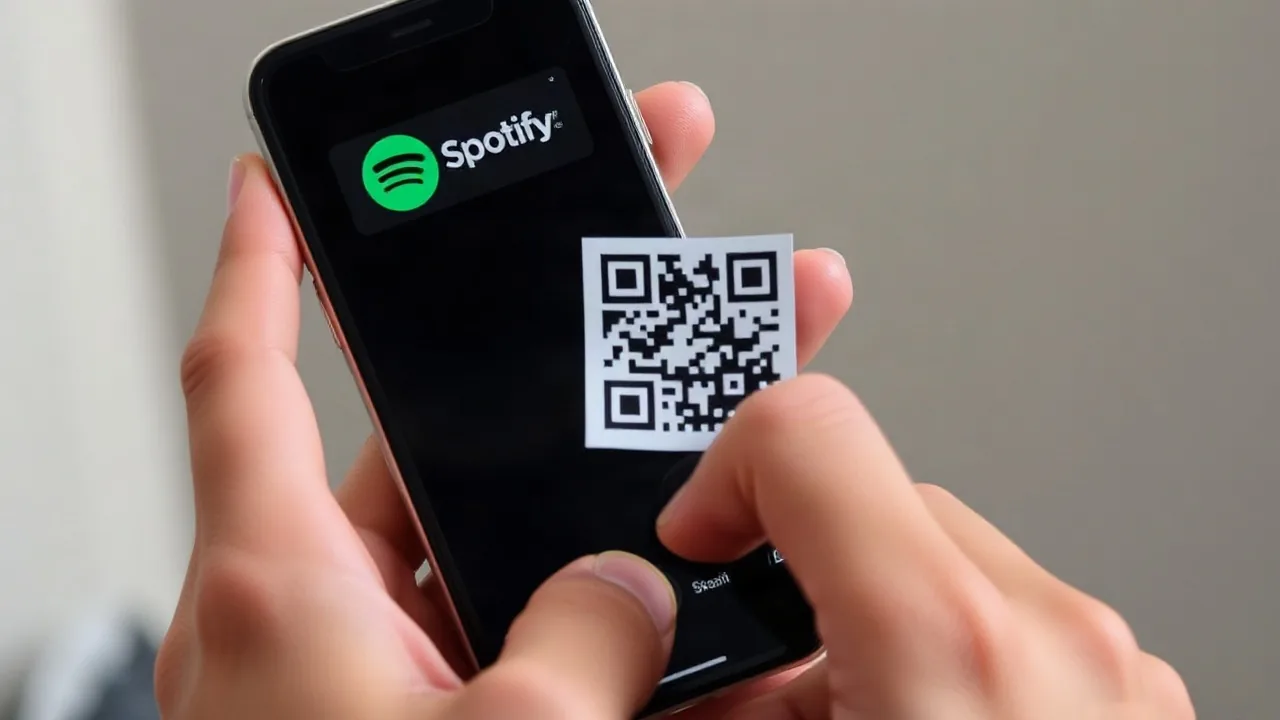
Spotify is rolling out a new security measure, dubbed "QR code verification," designed to curb the widespread practice of sharing premium family plans with individuals who do not reside within the same household. This initiative aims to reinforce the terms of service for its Family and Duo plans, which are intended for use by members of a single household. Under the new system, users may be prompted to verify their account by scanning a unique QR code through the Spotify app on another device. Failure to comply with this verification process could result in significant penalties, including a temporary ban from the service for up to 12 months.
The streaming giant has long grappled with users extending their family plan memberships to friends or distant relatives, a practice that directly impacts revenue and deviates from the intended use of these subscription tiers. While Spotify has attempted to address this in the past through various means, the QR code verification represents a more direct and stringent approach. This method seeks to confirm that all users on a shared plan are indeed living at the same address, a requirement stipulated in the company's user agreement.
Enforcement and Penalties
Sources indicate that the new verification system began appearing for some users in late 2026. Spotify's terms of service explicitly state that Family and Duo plans are intended for individuals residing at the same address. When prompted, a user will receive a notification within the Spotify app, instructing them to verify their account. This typically involves opening the Spotify app on a secondary device and scanning a QR code displayed on the primary device. If the verification is not completed within a specified timeframe, or if the system detects that the account is being accessed from multiple geographically dispersed locations inconsistently, the user may face consequences. The most severe penalty mentioned is a temporary lockout from the service for a period of up to one year. This strict measure is a clear signal that Spotify is serious about enforcing its subscription policies and ensuring that its tiered pricing accurately reflects its intended user base.
This crackdown is not entirely unexpected. In recent years, numerous streaming services and digital platforms have revisited their account-sharing policies. The economics of subscription services often rely on individual or household plans, and widespread unauthorized sharing can significantly erode profitability. Spotify's move aligns with a broader industry trend of tightening controls around shared access to digital content and services. The effectiveness of the QR code method will likely depend on the frequency of these prompts and the technical feasibility of users consistently bypassing them, especially for those genuinely sharing a household but perhaps with less tech-savvy members.
The move by Spotify highlights the ongoing tension between user convenience and the business models of digital subscription platforms. While the company aims to protect its revenue streams and adhere to its service terms, users who have become accustomed to sharing accounts with friends and family may find this new policy restrictive. It raises questions about how platforms will balance enforcing their rules with maintaining customer satisfaction in an increasingly connected world. For now, users on Spotify Family or Duo plans are advised to ensure all members are within the same household and to be prepared for potential verification requests to avoid a year-long suspension.