
Third-Party Android App Stores Arrive July 22nd as Google, Epic Settle
Google and Epic Games have withdrawn their legal fight, paving the way for rival app stores to launch within Google Play starting July 22nd. Developers will soon see their apps available on multiple platforms.

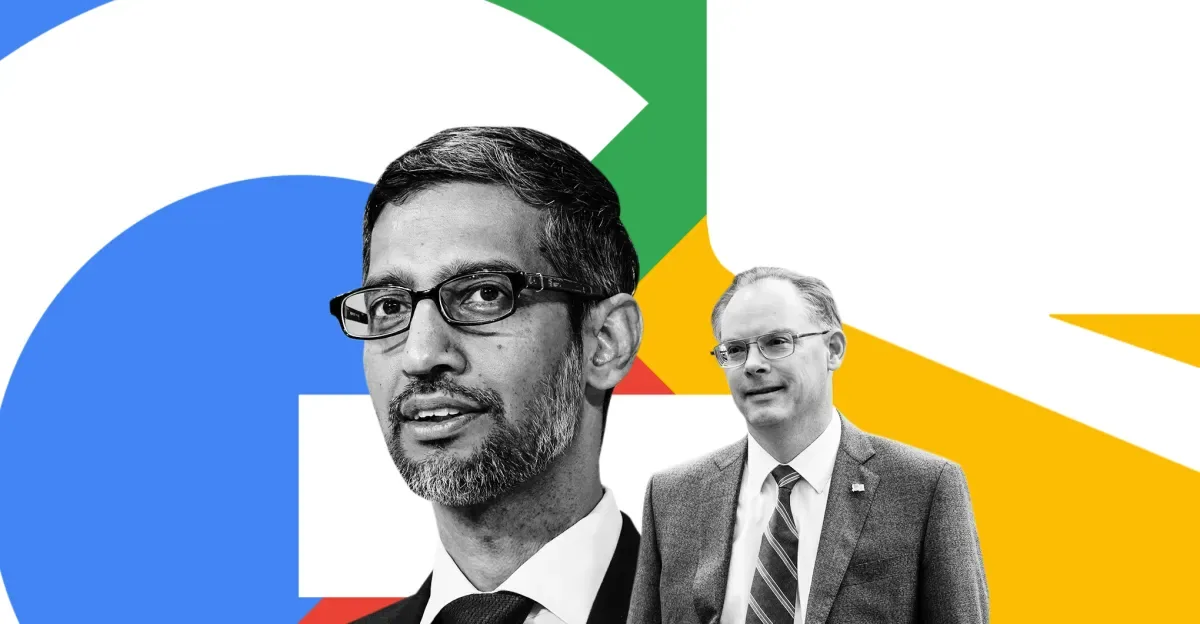
Google and Epic Games have jointly withdrawn a key legal motion, signaling a significant shift in the Android app distribution landscape. This decision clears the path for rival app stores to begin appearing within Google's own Play Store as early as Wednesday, July 22nd. Google confirmed it is prepared to integrate these third-party platforms, a move that stems from a protracted legal battle over the company's alleged monopoly on Android applications.
The dispute's resolution will fundamentally alter how users access apps on the Android operating system. Initially, in October 2024, Judge James Donato had ruled that forcing Google to host competing app stores and share its entire app catalog was the appropriate remedy for its monopolistic practices. Google, however, actively resisted this mandate, eventually collaborating with Epic Games on a global settlement that included an $800 million payment. This agreement aimed to modify the original court order, proposing a system of "Registered App Stores" that would require users to sideload applications rather than download stores directly from Google Play.
A New Era for Android App Distribution
Judge Donato expressed skepticism regarding Google's proposed modifications, leading to a planned court hearing on July 16th. However, with the joint withdrawal of their motion to alter the injunction, that hearing may no longer be necessary. A spokesperson for Google, Dan Jackson, stated, "We’ve agreed with Epic to withdraw our motion to modify the US Court’s injunction rather than prolonging this process which creates uncertainty for the ecosystem." He added, "This allows us to focus on executing our recently announced global business model evolution to deliver greater app store choice, lower prices, and more opportunities for developers and users. We remain committed to maintaining Android’s industry-leading security and fostering a competitive ecosystem where every app store and developer has the freedom to compete."
This development follows Google's earlier announcement of a global "Registered App Store" program, slated to begin with new Android versions later in 2026. The United States will see a unique "stores-within-a-store" model, distinct from the "Registered App Stores" available elsewhere. Google has already begun notifying US app developers that their listings will be automatically shared with these third-party stores starting July 22nd, unless they choose to opt out. The company has launched a dedicated page for its Play Catalog Access Program, allowing third-party stores to enroll.
The precise mechanics of how these third-party stores will integrate with Google Play remain somewhat unclear. While the original court order prohibits Google from blocking the distribution of third-party platforms through its store, it doesn't explicitly require proactive invitations. Google has outlined terms for catalog access, including an annual $5,000 fee for security and policy reviews. Additional requirements dictate that these stores cannot distribute apps outside the US, must be open to all eligible third-party developers, maintain clear trust and safety policies, and limit malware to no more than 1 percent of install attempts.
The broader economic implications for Android app distribution and billing are still unfolding. However, the agreement between Epic and Google has already set a precedent for potentially reduced developer fees and increased openness in payment systems, promising a more competitive and user-friendly marketplace.