
iFixit Confirms Trump Phone T1 Internals Match HTC U24 Pro
A teardown by iFixit reveals the "Trump Phone" T1 shares identical internal components with the HTC U24 Pro, suggesting it is a rebranded device. The findings were published on June 11, 2026.

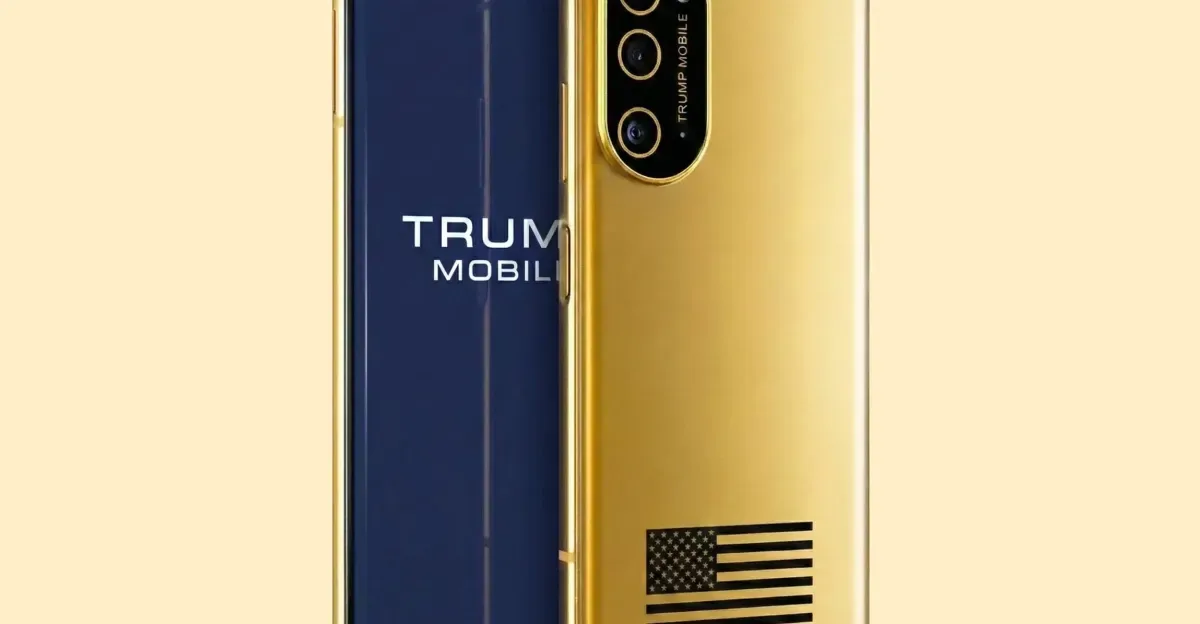
The recently launched "Trump Phone" T1 has been confirmed by iFixit to share identical internal components with the HTC U24 Pro. The popular repair and teardown website published its findings on June 11, 2026, revealing that the phone, marketed with a connection to former President Donald Trump, is essentially a rebranded version of HTC's existing U24 Pro model.
The T1 phone, which is being sold for $99, features an identical internal layout and uses the same chips and components found in the U24 Pro. iFixit's analysis, which involved a detailed physical examination and component mapping, showed no unique hardware differences between the two devices. This discovery raises questions about the device's unique selling proposition and its pricing, given that it appears to leverage an off-the-shelf design.
Hardware Parity Revealed
During the teardown process, iFixit meticulously documented each component within the T1. Their report highlighted that the main logic board, camera modules, battery, and other critical hardware elements are visually and functionally the same as those in the HTC U24 Pro. This level of similarity strongly indicates that the T1 is not a custom-designed device but rather an HTC U24 Pro that has been rebranded and possibly pre-loaded with specific software or applications. The similarities extend to the smallest parts, suggesting a complete lack of custom hardware development for the T1. This is a significant finding for consumers who might have expected a device with unique features or technology associated with its prominent branding.
The implications of this revelation are far-reaching. For consumers, it means they are paying a premium for a device that is essentially identical to one already available on the market from a different manufacturer. While the T1 is positioned as a device for a specific audience, the lack of unique hardware may not justify the $99 price point for many. The marketing around the T1 has emphasized its exclusivity and connection to a political figure, but the teardown suggests the primary differentiator is cosmetic or software-based, rather than technological.
This situation is not entirely unprecedented in the smartphone industry. Rebranding, where one company's product is sold under another company's name, is a common practice, especially in markets where cost-effectiveness and rapid product deployment are prioritized. However, the degree of identicalness found by iFixit, down to the internal components, is notable. It suggests that the creators of the T1 aimed for a swift market entry by utilizing an established and well-tested platform rather than investing in new hardware design. The HTC U24 Pro itself was released earlier in 2026, making the T1 a very recent example of this rebranding strategy.
iFixit's thorough analysis provides valuable transparency for consumers. Their work is crucial in demystifying the complex hardware that powers modern electronics and holds manufacturers accountable for the products they release. The detailed reports often guide consumers on repairability and educate them about the true nature of the devices they purchase. In this case, the iFixit teardown serves as a cautionary tale about product differentiation and marketing claims in the competitive smartphone market.