
Motorola Razr Ultra (2026) vs. Galaxy Z Flip 7: Pocket Phone Showdown
The 2026 Motorola Razr Ultra and Samsung Galaxy Z Flip 7 go head-to-head. One offers standout style and user experience, while the other provides robust software and value.

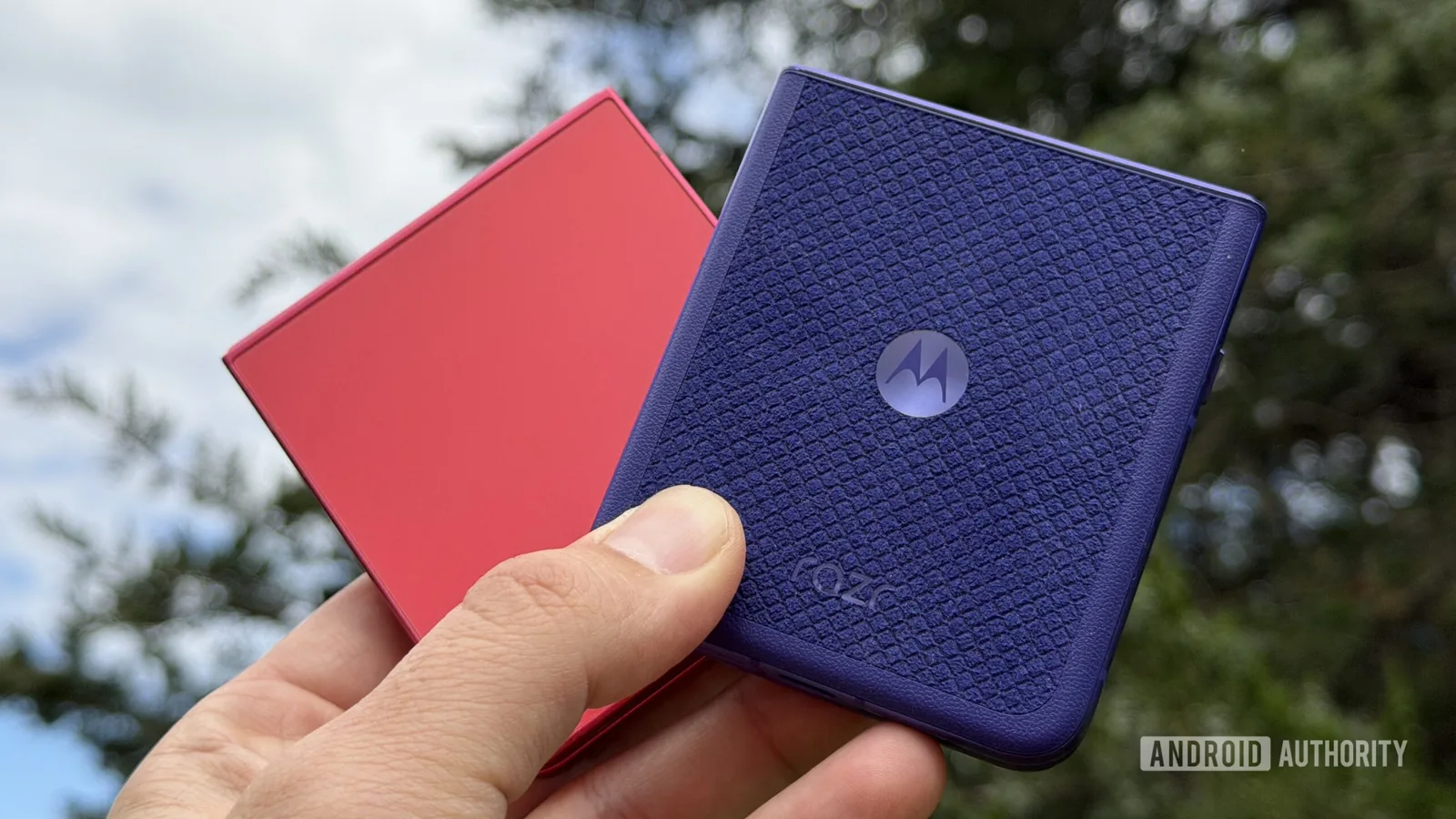
The latest contenders in the popular clamshell foldable market, the 2026 Motorola Razr Ultra and the Samsung Galaxy Z Flip 7, are now available, offering distinct approaches to the compact form factor. While both devices aim to blend traditional smartphone functionality with a foldable design, user preference often boils down to a subjective choice between flair and reliable performance.
The Motorola Razr Ultra (2026) continues to impress with its design-forward philosophy. This year's model boasts a striking Orient Blue colorway and a premium Alcantara finish that has drawn significant attention. Its sleek aesthetics and undeniable eye appeal make it a standout device, offering a more engaging user experience compared to the Z Flip 7's utilitarian design. While Motorola did not significantly upgrade the internal specifications from the previous year, the 2026 Razr Ultra is equipped with a powerful Snapdragon 8 Elite processor and 16GB of RAM, which proves more than sufficient for everyday tasks. A notable improvement comes in the battery department, with a new 5,000mAh silicon-carbon cell delivering nearly two days of usage and supporting rapid 68W wired charging.
Motorola's approach to the cover screen also remains a strong point, allowing users to access a wider range of applications without requiring additional software tweaks, a contrast to the Samsung Z Flip 7. Although Samsung's overall software ecosystem is generally preferred, Motorola has excelled in ensuring a seamless transition between the device's displays, minimizing compatibility issues. The company promises three years of OS upgrades and five years of security patches, though Motorola's history of delayed updates has raised concerns among some users.
Design Philosophy and User Experience
The choice between the two devices often hinges on personal preference for design and user interaction. The Razr Ultra is lauded for its stylish presentation and the delightful user experience it provides. Its cover screen functionality, allowing quick access to essential apps like social media, enhances its appeal for casual users. While the cameras, featuring dual 50MP sensors, are not groundbreaking, they consistently produce social-media-ready images suitable for the phone's lifestyle-oriented branding.
Conversely, the Samsung Galaxy Z Flip 7 focuses on delivering a more refined and reliable software experience. Running One UI 8.5, the device benefits from Samsung's robust ecosystem and a clearer roadmap for software support, including a full seven years of both OS and security updates. While the cover screen experience has been improved, it still requires some user configuration to achieve optimal functionality, unlike the Razr Ultra's more immediate accessibility.
Under the hood, the Galaxy Z Flip 7 is powered by the Exynos 2500 chipset, paired with 12GB of RAM. Despite previous concerns about Exynos performance, this iteration offers dependable, all-day battery life, though it lacks the advanced silicon-carbon cell found in the Razr Ultra. Samsung's inclusion of Galaxy AI features also positions the Z Flip 7 as a compelling option for those seeking the latest Android functionalities.
Price is a significant differentiator, with the Galaxy Z Flip 7 typically retailing hundreds of dollars less than the Motorola Razr Ultra, especially considering potential sales and its position in the product lifecycle. While Motorola may offer discounts, the Razr Ultra is expected to remain the more expensive option.
Ultimately, both phones represent solid choices in the clamshell foldables market. The Motorola Razr Ultra (2026) appeals to users prioritizing style, a delightful user experience, and a unique aesthetic, even with its higher price point and software update uncertainties. The Galaxy Z Flip 7 offers a more practical choice with its extended software support, competitive pricing, and Samsung's proven software reliability, making it a sensible option for budget-conscious consumers or those who value long-term software assurance.