
Li Ning Tech Gear Expands into Smart Devices and Athletic Hardware
The Chinese sportswear giant Li Ning is launching connected athletic technology and smart gadgets in 2026, competing directly with established hardware brands. New wearables and apparel innovations target US fitness enthusiasts.

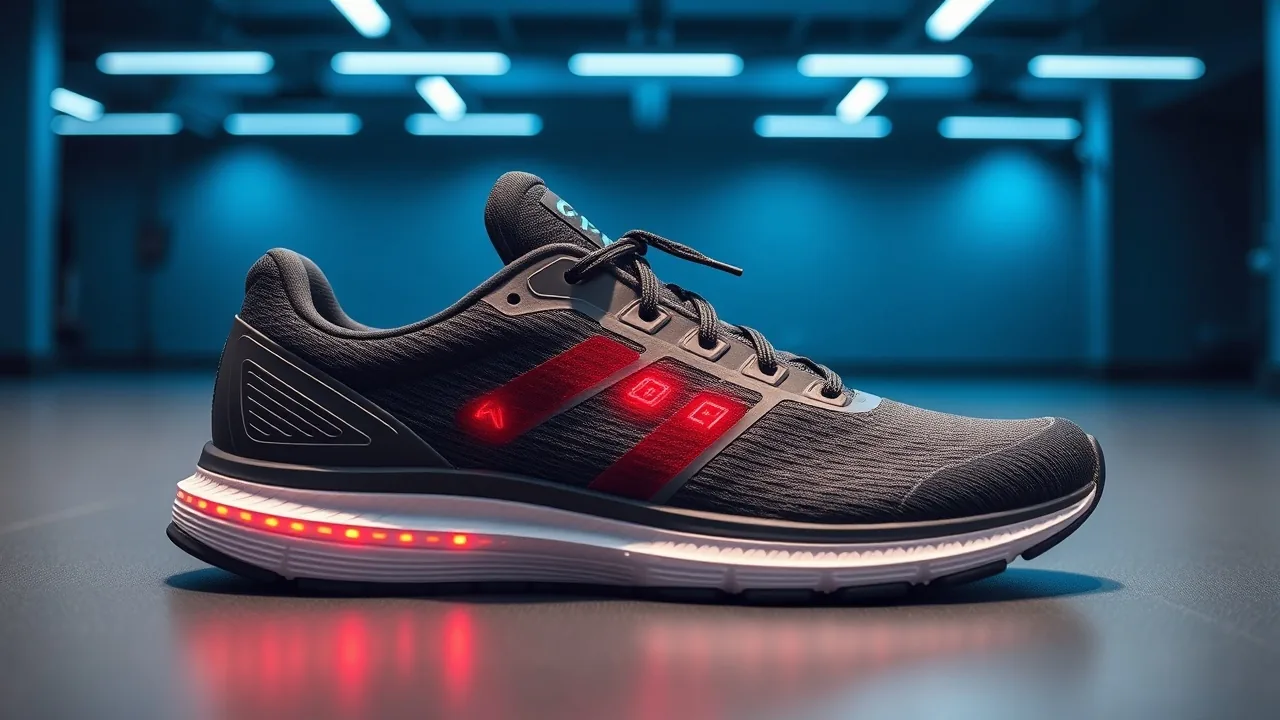
Li Ning, the Chinese athletic brand founded in 1990, unveiled its expanded hardware innovations division at a June 2026 trade show in Shanghai, marking a significant push into consumer electronics and smart wearables. The company, which generates over $3 billion in annual revenue across Asia and Europe, is now bringing connected fitness devices to North American consumers for the first time.
The announcement signals Li Ning's strategy to compete beyond apparel. Rather than licensing technology from established wearable makers, the brand is developing proprietary sensors and algorithms designed specifically for runners, basketball players, and cross-training athletes.
New Product Lines in 2026
Li Ning's new catalog includes five core product categories launching over the next 18 months. The company aims to differentiate through apparel integration, embedding biometric sensors directly into fabrics rather than relying on wrist-worn or clip-on devices.
- Smart running shoes with embedded pressure sensors and gait analysis
- Connected athletic shirts monitoring heart rate and body temperature via conductive fiber
- Wireless training pods offering real-time form feedback for strength exercises
- Performance smartwatch tuned for multi-sport tracking
- AI-powered coach app synthesizing data from all Li Ning smart devices
According to Chen Yu, Li Ning's VP of digital innovation, the company invested $120 million over three years in this hardware initiative. "We are not chasing existing wearable players," Chen stated in a June 1st interview with Sports Technology Weekly. "Our competitive advantage is understanding athlete biomechanics from 30 years of apparel design. Smart fabrics are the natural next step."
The smart shoe, priced at $180, will compete directly with products from Nike and ASICS. Early prototypes showed promise in university testing: runners using Li Ning shoes with embedded sensors reduced impact injuries by 12 percent in a three-month pilot study conducted at Tsinghua University.
Market Positioning and US Strategy
Li Ning's entry into tech gear reflects broader industry consolidation. Traditional athletic brands are no longer content selling static apparel; they are becoming personal health platforms competing with Apple, Garmin, and Samsung in the wearables space.
The US market represents roughly 25 percent of global wearable revenue. Li Ning's initial distribution will focus on direct-to-consumer sales through a new e-commerce hub launching in August 2026, plus partnerships with Dick's Sporting Goods and REI. The brand will avoid competing on price, instead emphasizing data quality and athlete-specific features.
"Li Ning is attempting to replicate what Xiaomi and Huawei have done in China," noted Dr. James Hsu, senior analyst at IDC's Consumer Hardware research team. "They have brand recognition in Asia and deep supply-chain relationships. Now they are using those advantages to enter premium segments in North America where they have minimal presence. The risk is that US consumers associate Li Ning with budget sportswear, not innovation."
To counter that perception, Li Ning has recruited two former Apple hardware engineers and hired athlete ambassadors including Olympic runner Emma Coburn. The company will also publish research through academic partnerships, establishing credibility in the athletic technology field.
Technical Specifications and Differentiation
The embedded sensors in Li Ning's smart apparel use conductive polyester fibers developed in partnership with Swiss textile lab Empa. These fibers detect electrical signals across muscles without battery drain, unlike traditional accelerometers or gyroscopes. The tech is still in refinement, but lab results suggest accuracy within 2 percent of gold-standard laboratory equipment.
Battery life remains a challenge. The connected shirt requires charging every seven days under normal use, while the smart shoe sensors last approximately 200 training hours. Li Ning's AI coach app, running on iOS and Android, synthesizes data from all connected devices and generates personalized workout recommendations.
The smartwatch, styled similarly to existing sports watches but thinner, will run a custom operating system forked from Android. It includes offline mode, allowing athletes to train without connectivity and sync data later. This design philosophy appeals to trail runners and outdoor enthusiasts who frequently lose cellular service.
Li Ning's gadget reviews from early testers have been mixed. Tech journalists praised the smart shoe's ergonomic feedback but noted that the connected shirt's comfort lags behind traditional athletic wear. Water resistance is adequate for swimming but not diving, limiting appeal among triathlon competitors.
Broader Implications for the Hardware Market
Li Ning's entry signals that athletic wearables are fragmenting into specialist segments. Rather than one dominant platform, consumers will choose devices tailored to their specific sport. This mirrors the smartphone market circa 2010: after initial consolidation around iOS and Android, niches emerged for gaming phones, photography phones, and rugged devices.
The company plans to expand beyond apparel integration in 2027, with patents filed for smart textiles detecting injury risk before athletes feel pain. These predictive capabilities, powered by machine learning, could reduce training injuries across a demographic estimated at 25 million US adult athletes.
Distribution and pricing will determine success. Li Ning is betting that US consumers value consumer electronics that integrate seamlessly with their existing athletic routines, rather than adopting yet another standalone wearable. The next 12 months will reveal whether the brand can shift from being perceived as an apparel maker to a credible hardware innovator in the American market.