
Back-to-School Laptops: Navigating Rising Prices Amid Component Shortages
Rising costs due to RAM and storage crunch impact student laptop affordability. Despite price hikes, several strong options remain, especially for college-bound students, offering performance that can last years.

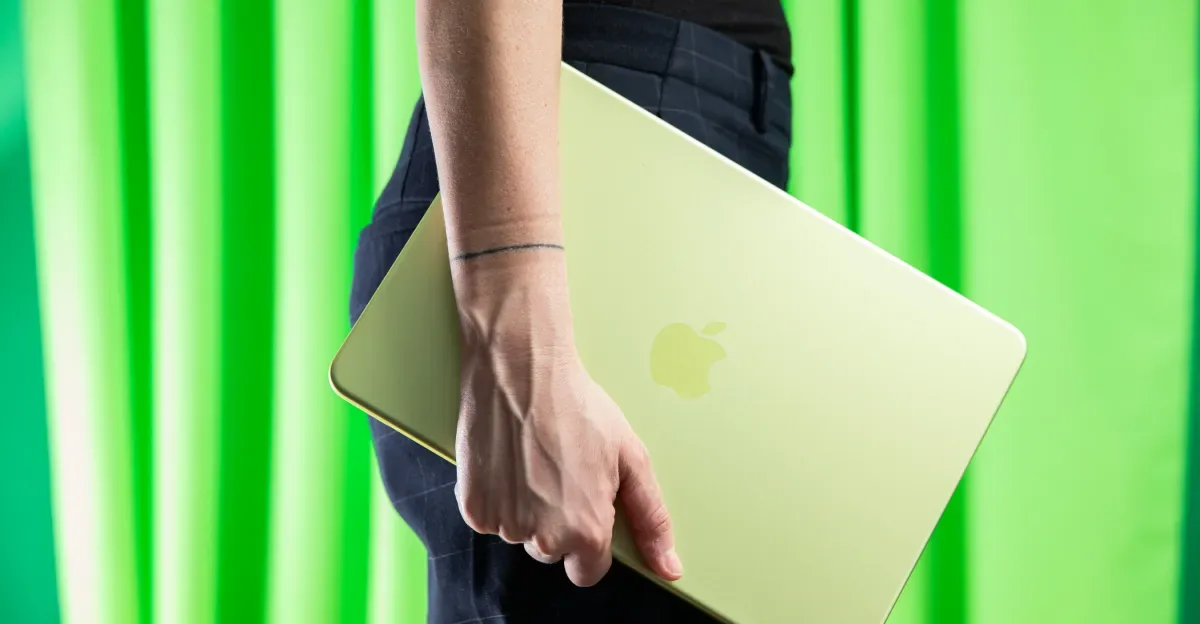
As students prepare for the upcoming academic year, a significant challenge looms: rising laptop prices driven by an ongoing crunch in RAM and storage components. This situation, dubbed 'RAMageddon' by some in the tech industry, means that many devices are experiencing price increases, with some becoming considerably more expensive. However, amidst these unfavorable market conditions, a selection of capable laptops suitable for various student needs remains available, including models that have undergone rigorous testing.
For those heading to college, experts advise considering a slightly more powerful laptop, even if it means a higher upfront cost. The trajectory of component prices suggests that costs are likely to continue their ascent well into 2027, as nearly all available memory production for the coming years is already allocated. While functional laptops can still be found for under $500, and good options around $700, investing more in a device like a MacBook Air can provide superior build quality and sufficient performance headroom to last through a four-year degree and beyond. Many of the current generation of powerful laptops, such as the M1 MacBook Air from 2020, are still highly functional for many users.
Navigating the Market for Student Computing Needs
Even more modest laptop selections, whether new or refurbished, are expected to offer reliable performance for several years. The key consideration is to avoid purchasing a device that feels sluggish or poorly constructed from the outset, as such issues tend to worsen over time. For students with specific curriculum requirements or school-recommended specifications, these guidelines will naturally direct their choices. In the absence of such directives, a general recommendation is to opt for a Mac with Apple silicon or a Windows laptop equipped with Intel or AMD chips released within the last two to three years. For Windows machines, this typically means processors from 2022 or 2023, such as Intel's 13th-generation "Raptor Lake" or AMD's Ryzen 7000 series. Newer Snapdragon X chips also present excellent alternatives, provided the student's required software is compatible with Windows on Arm architecture.
Ideally, students should aim for devices with 16GB of RAM and 512GB of storage, particularly for university-level studies. While 8GB of RAM can be manageable on macOS for devices like the MacBook Neo, Windows laptops may experience more noticeable performance limitations with this configuration. For younger students or those on a tighter budget, a high-quality Chromebook remains a practical and cost-effective solution.
Among the top contenders for middle and high school students is the Apple MacBook Neo, often available starting around $599. It strikes an impressive balance between build quality and adequate performance for its price point. While its base configuration includes 8GB of RAM and 256GB of storage, a $100 upgrade to double the storage and add a Touch ID sensor significantly enhances user experience through easier logins. The A18 Pro chip provides ample power for most secondary school students.
For college students and those seeking a more robust machine, the MacBook Air continues to be a leading recommendation. Although its starting price has risen from $999 in previous years to around $1,199-$1,299 for the 13-inch model in 2026, it represents a substantial upgrade. These models typically come with 16GB of RAM and 512GB of faster storage, coupled with excellent build quality and battery life. Refurbished models can also offer significant savings.
Windows users seeking a premium alternative might consider the Asus Zenbook A14. Featuring an Arm-based Qualcomm Snapdragon X Plus chip, a 14-inch OLED display, and a lightweight design, it offers strong performance and battery life, often available around $700-$1,000. Similarly, the Acer Aspire 14 AI, frequently on sale for $500-$600, provides a capable Intel Lunar Lake processor, 16GB RAM, and 512GB storage, along with a generous port selection, despite compromises in screen and build quality.
For those prioritizing a larger screen, the HP OmniBook 3 offers a 16-inch display and extended battery life with its Snapdragon X processor, typically priced around $500. Additionally, refurbished Lenovo ThinkPads, such as the T14 Gen 4, present durable and powerful options for students who value enterprise-grade build and performance.