
Aston Martin Valen: World's Most Powerful Front-Engine V12 Supercar Debuts
Aston Martin unveiled the Valen, its latest V12 supercar commissioned by the Q division. Boasting 838 horsepower, it's claimed to be the most powerful front-engine production car ever made.

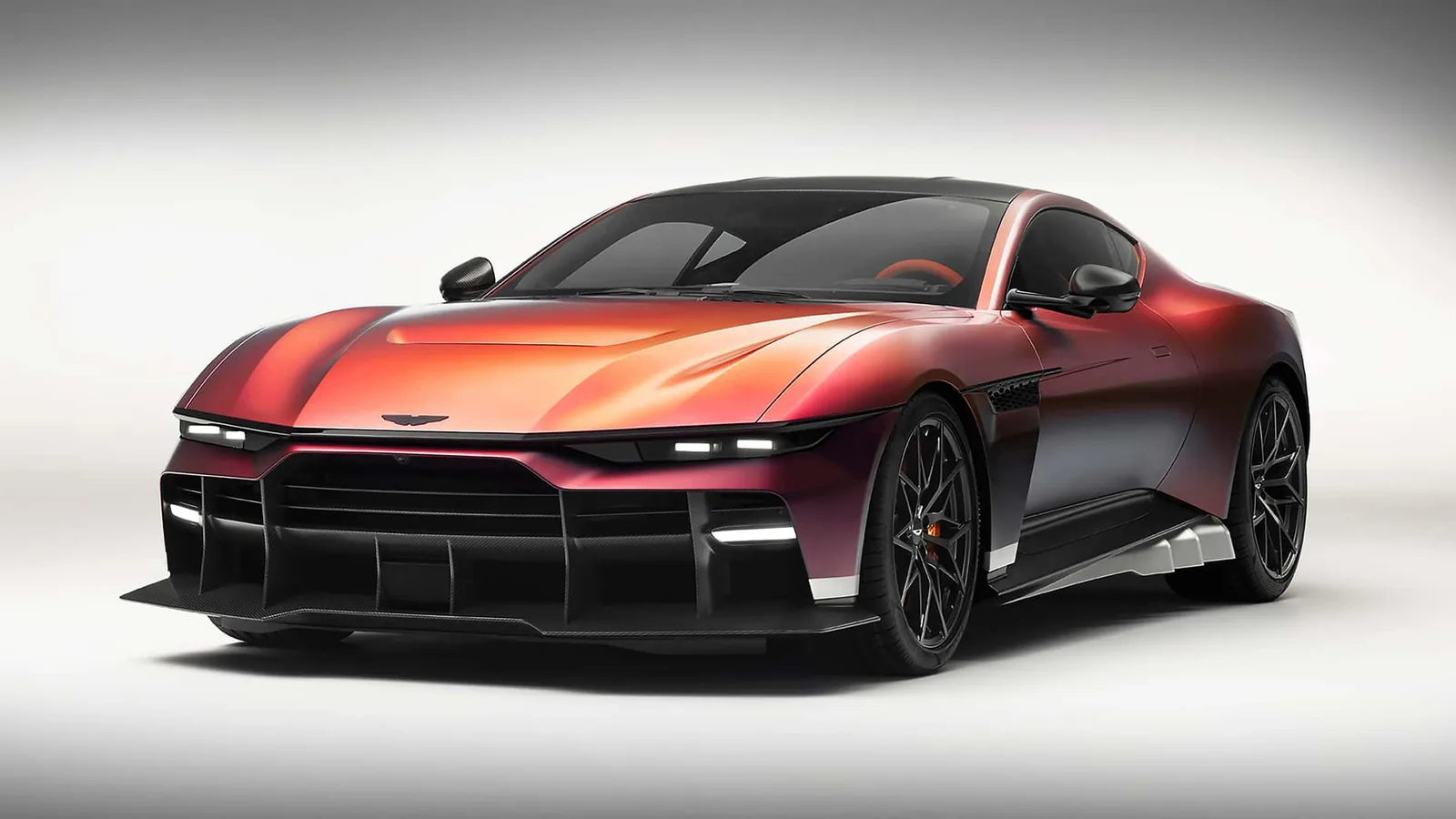
Aston Martin has officially launched its newest bespoke supercar, the Valen, at Monterey Car Week. This exclusive V12 model, created by the brand's ultra-exclusive Q division, is making waves as the claimed world's most powerful front-engine production car, generating an astonishing 838 horsepower. Only 150 units of the Valen will be produced, with each vehicle being a custom commission starting at approximately $2 million.
The Valen represents the third in a series of special V12 supercars from Aston Martin's Q brand, following the manual-transmission Valour and the track-focused Valiant. While its predecessors featured six-speed manual gearboxes, the Valen amps up the performance with an eight-speed ZF transaxle. Aston Martin states this gearbox utilizes shift logic and programming adapted from the brand's Vantage GT4 race cars, delivering a potent blend of power and agility. The automaker claims the Valen can accelerate from 0 to 62 mph in a mere 3.1 seconds, reaching a top speed of 214 mph.
Raw Power Meets Lightweight Design
Beyond its impressive acceleration figures, the Valen distinguishes itself with a hardcore commitment to lightweight construction and a raw driving experience. The entire body is crafted from carbon fiber, featuring a sharp, aggressive front end, distinctive side strakes, and a dramatic rear diffuser that leaves the car's substantial 325-section rear tires prominently displayed. In a further effort to shed weight, the Valen omits its rear window entirely. Aston Martin reports that these measures result in a weight saving of up to 242 pounds (110 kg) compared to the V12 platform that underpins the Vanquish. An optional lightweight suspension pack, incorporating machined aluminum components and titanium chassis bolts, can further reduce weight by an additional 37 pounds (16.9 kg).
Complementing the lightweight chassis are 21-inch magnesium wheels fitted with carbon-ceramic brakes, designed to minimize unsprung weight. The centerpiece of the Valen's auditory experience is its titanium exhaust system. Aston Martin claims this specially designed system is 50% louder than that of the Vanquish when measured externally. Achieving such a potent sound while adhering to Europe's stringent drive-by noise regulations proved a significant engineering challenge. The company's engineers focused on enhancing sound intensity at lower RPMs and during initial throttle application, rather than solely at full throttle, ensuring a dramatic sound profile during urban driving.
The raw auditory intent is further amplified by the exhaust's routing. To maximize cabin sound, the exhaust gases are directed beneath and behind the driver and passenger seats before exiting at the rear of the car, positioned both below the bumper and centrally near the taillights. This unconventional routing for a front-engine vehicle contributes to the Valen's visceral and untamed character.
Inside, the Valen features a redesigned, slimmer center console angled toward the driver. Customers can choose between Aston Martin's new Sport Plus adjustable seats or ultra-lightweight carbon fiber bucket seats. The extensive customization options available through Aston Martin Q ensure that buyers can specify their preferred leather shades and trim finishes, making each Valen a truly unique commission.
The introduction of the Valen highlights a growing trend among luxury automakers to produce ultra-limited, high-performance special editions. These models cater to a niche market of collectors and enthusiasts seeking exclusivity and extreme automotive engineering. The supercar market continues to see demand for vehicles that push the boundaries of performance and design, offering a blend of cutting-edge technology and emotional appeal. Aston Martin's ongoing commitment to its V12 engine, even in an era increasingly focused on electrification, underscores the enduring allure of powerful, naturally aspirated performance.