
Coral Bleaching Reversal: Touch Sparks Rapid Recovery in 5 Days
Scientists have discovered that placing bleached corals near healthy ones for just five days can significantly accelerate recovery. This 'touch' method showed a remarkable reversal of bleaching.

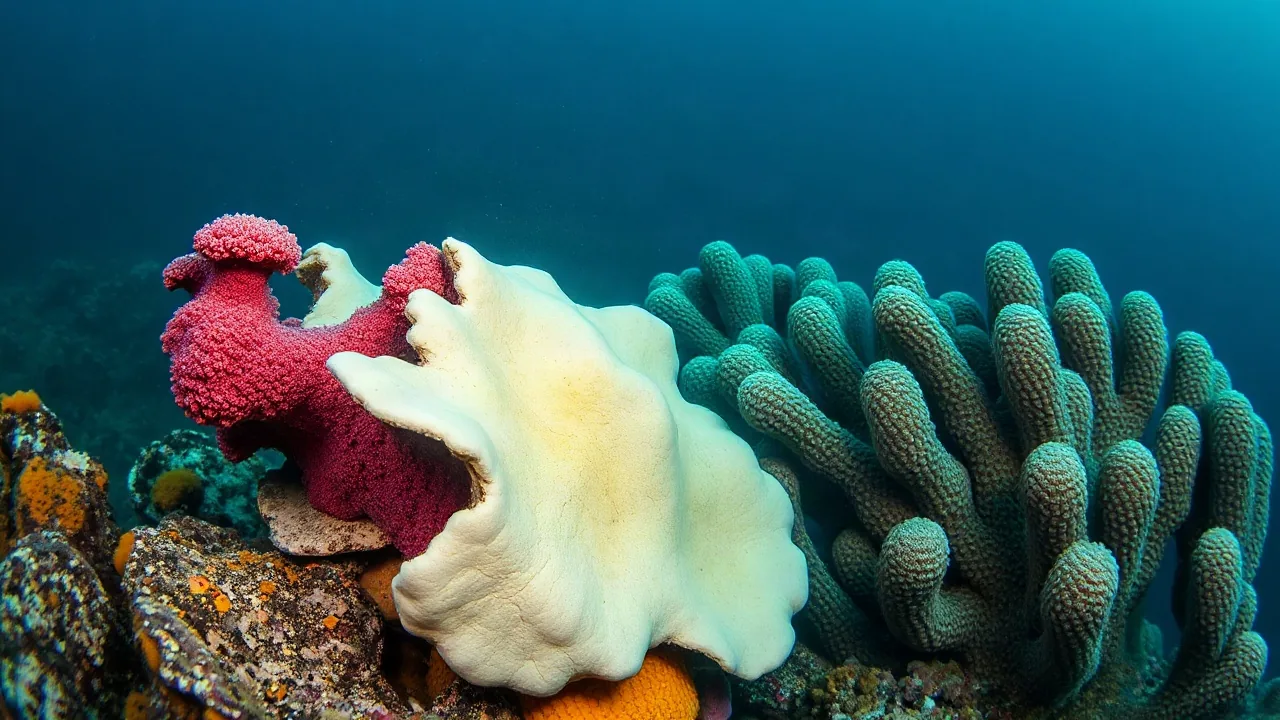
In a groundbreaking discovery, marine biologists have found a surprising method to rapidly reverse coral bleaching: simply placing bleached corals in close proximity to healthy specimens. A recent study revealed that this brief, five-day contact was enough to initiate a significant recovery process in the ailing corals, a finding that has astounded researchers.
The experiment, conducted by scientists aiming to understand and combat the devastating effects of coral bleaching, involved exposing severely bleached corals to their healthy counterparts. The results surpassed expectations, demonstrating a visible improvement in the health and color of the bleached corals after only a few days of this indirect interaction. This suggests a potential mechanism for natural recovery that can be harnessed to protect vulnerable reef ecosystems.
Potential for Large-Scale Coral Reef Restoration
Coral bleaching, primarily caused by rising ocean temperatures due to climate change, strips corals of their vibrant colors and vital symbiotic algae, leaving them vulnerable to disease and death. Historically, recovery from severe bleaching events has been slow, often taking years or even decades, if it occurs at all. This new research, however, points to a much faster potential for healing.
While the exact biological process is still under investigation, researchers hypothesize that the healthy corals may be releasing chemical cues or even small fragments of their symbiotic algae that benefit the stressed corals. Dr. Anya Sharma, lead researcher on the project, stated, "We were astonished by the speed and extent of the recovery. This 'contact-based' approach could be a game-changer for reef restoration efforts globally." She further explained, "This isn't about manually transplanting coral fragments, but rather facilitating a natural process that seems to be amplified by proximity."
The implications of this discovery are vast, particularly for regions facing widespread coral mortality. Current restoration techniques are often labor-intensive and costly. If this passive method proves scalable, it could offer a more efficient and natural way to aid reefs in recovering from heat stress events. The research team plans to conduct larger trials in diverse reef environments to confirm the efficacy and understand the optimal conditions for this rapid recovery.
The study focused on several species of hard corals, known to be particularly susceptible to bleaching. The initial findings indicate that the recovery wasn't just superficial; microscopic analysis showed a repopulation of the coral tissues by the symbiotic algae, zooxanthellae, which provide corals with food and their characteristic colors. This renewed symbiosis is crucial for the long-term survival of the coral polyps.
This breakthrough comes at a critical time, as coral reefs worldwide are under unprecedented threat. The Great Barrier Reef, for instance, has experienced multiple mass bleaching events in recent years. Conservationists are hopeful that such innovative approaches, grounded in understanding natural processes, can offer a lifeline to these vital marine habitats. The team emphasized that while this offers a promising avenue for recovery, the ultimate solution to preventing coral bleaching remains addressing the root cause: global climate change and rising sea temperatures. However, this new method provides a powerful tool in the fight to save these underwater ecosystems.