
Neanderthal Fossil Shows Earliest Evidence of Fatal Spear Attack
New analysis of Neanderthal remains found in Shanidar Cave, Iraq, suggests the individual suffered a fatal wound from a spear, potentially representing the earliest known case of lethal violence against a hominin.

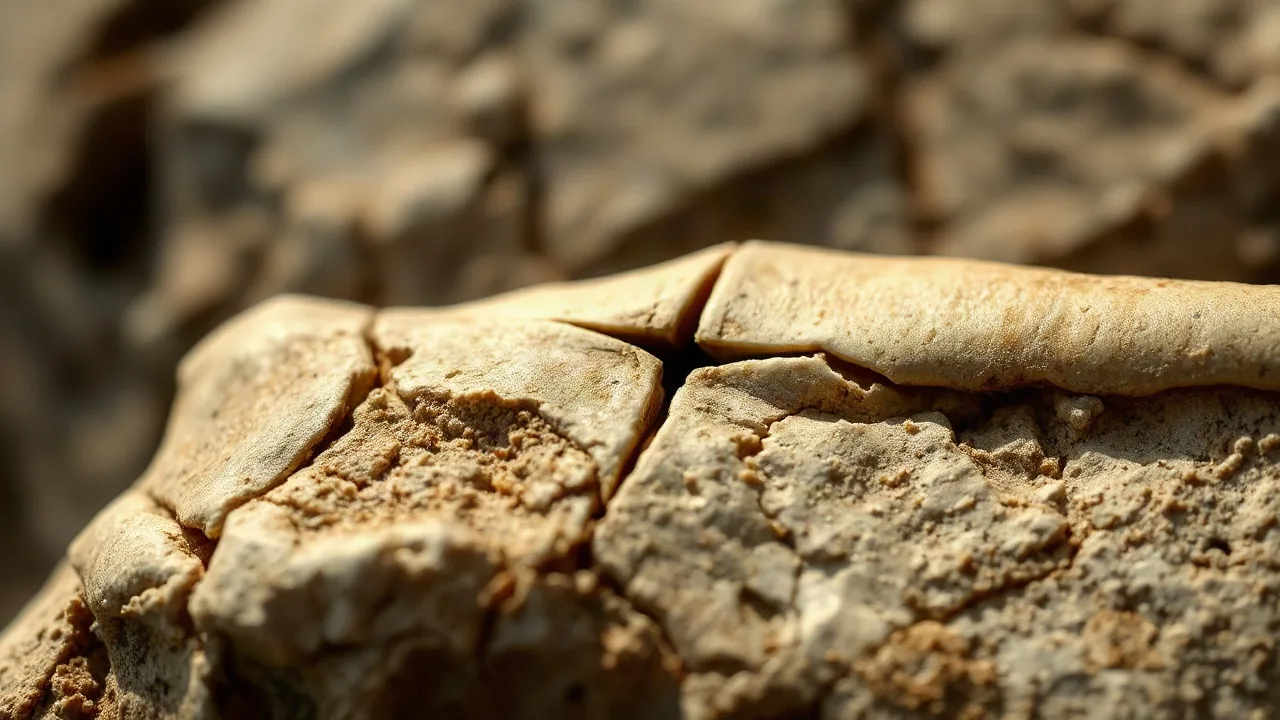
Archaeologists have uncovered compelling evidence suggesting a Neanderthal individual, found in Shanidar Cave in the Kurdistan region of Iraq, was killed by a spear. The discovery, detailed in a recent study, points to a violent encounter that could be the earliest known instance of lethal inter-hominin aggression, dating back approximately 40,000 years.
The remains, discovered in the 1950s but recently re-examined with advanced techniques, show a distinctive puncture wound in the shoulder blade. Researchers have meticulously analyzed the size, shape, and depth of the lesion, concluding that it is highly consistent with a projectile wound inflicted by a wooden spear, likely thrown or thrust at close range. This finding offers a stark glimpse into the perils faced by our ancient relatives.
Dr. Ashley Smith, a lead researcher on the project from the University of Cambridge, stated, "The nature of the injury is unlike any we've seen before in this context. The evidence strongly suggests a direct impact from a spear, leading to a fatal outcome." This individual, nicknamed "Shanidar 15," was found in a burial context, which initially suggested a more peaceful demise. However, the re-evaluation of the trauma challenges previous interpretations.
A Complex Neanderthal Existence
The discovery adds a new layer to our understanding of Neanderthal life, which was once popularly depicted as brutish and primitive. While evidence of violence among Neanderthals has been found before, this specific injury represents a direct, lethal assault. Previously, findings at other sites, such as Krapina in Croatia, indicated violent encounters, but the nature of the trauma at Shanidar Cave offers unparalleled clarity on the weapon used.
The Shanidar Cave site itself has been a treasure trove for paleoanthropologists. In the 1960s, archaeologist Ralph Solecki discovered evidence of Neanderthal burial rituals, including the presence of pollen that suggested flowers were intentionally placed with the deceased. This discovery hinted at complex social behaviors and perhaps even rudimentary forms of compassion or spirituality among Neanderthals. The current findings, however, juxtapose this peaceful imagery with the brutal reality of potential homicide or accidental fatal injury during conflict.
Understanding the frequency and nature of violence among prehistoric hominins is crucial for reconstructing their social dynamics and evolutionary trajectory. Whether this incident represents an isolated act of aggression, a territorial dispute, or even a form of punishment, it underscores that Neanderthals were not merely passive beings but participants in a dynamic and often dangerous world. The analysis of the spear's characteristics, though limited by the fossilized bone, suggests it was likely a sharpened wooden implement, typical of Neanderthal tool technology.
Further research will focus on comparative analysis with other Neanderthal sites and potentially the development of new imaging techniques to glean more information from the fossilized bone. The implications extend beyond Neanderthals, offering insights into the evolution of violent behavior and its role in early human societies. The investigation into Shanidar 15's demise continues to illuminate the complex tapestry of our ancient past.