
Stanford Scientists Revive Endangered Corals With New Technique
Stanford University researchers have developed a groundbreaking method to restore bleached corals, offering new hope for fragile marine ecosystems. The technique focuses on enhancing coral resilience against rising ocean temperatures.

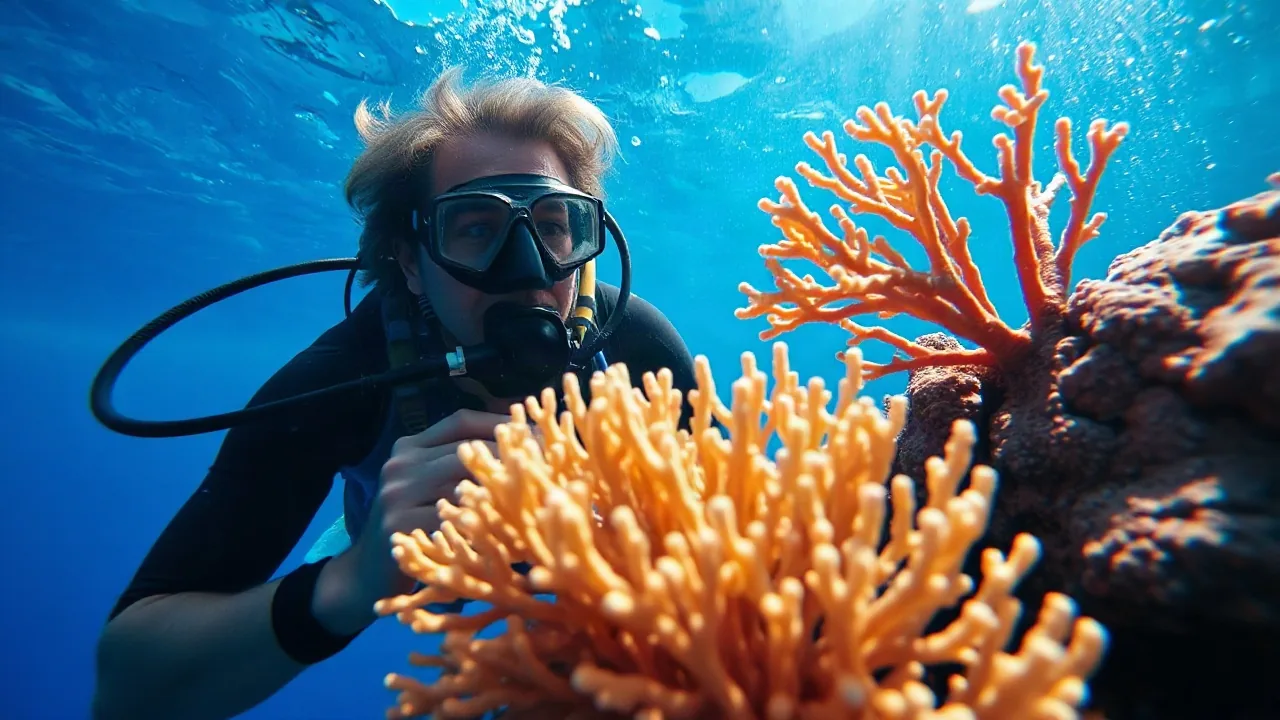
Stanford University scientists have unveiled a novel approach to rescue endangered corals, offering a glimmer of hope for marine ecosystems threatened by climate change. The breakthrough method, detailed in a recent study, focuses on revitalizing corals suffering from bleaching events, which are becoming increasingly frequent and severe due to warming ocean waters.
The research, led by Dr. Anya Sharma, a marine biologist at Stanford, targets the cellular mechanisms within corals that are compromised during bleaching. "When corals bleach, they expel the symbiotic algae living in their tissues, which provide them with food and their vibrant colors," explained Dr. Sharma. "Our technique aims to help them reabsorb these crucial algae or to cultivate new, more resilient strains that can withstand higher temperatures." The study indicates that this intervention could significantly increase the survival rates of corals previously deemed unsalvageable.
Enhancing Coral Resilience
Traditionally, efforts to save corals have focused on transplantation or creating artificial reefs. However, these methods often fail to address the root cause: the thermal stress induced by global warming. The Stanford team's innovation lies in its ability to directly bolster the coral's internal capacity to survive and recover from heat stress. They achieved this by manipulating specific gene expressions within the coral polyps, making them more robust against environmental changes. Early trials conducted in controlled laboratory settings and small-scale field tests have shown promising results, with treated corals demonstrating a remarkable ability to recover their color and symbiotic algae population after simulated bleaching events.
This discovery comes at a critical juncture for coral reefs worldwide. These underwater ecosystems, vital for biodiversity and coastal protection, are facing unprecedented threats. Major reef systems, such as the Great Barrier Reef, have experienced multiple mass bleaching events in recent years, leading to widespread coral mortality. The economic and ecological consequences are profound, impacting fisheries, tourism, and shoreline stability. "The urgency cannot be overstated," noted Dr. Ben Carter, a co-author of the study. "If we do not act decisively, we risk losing these invaluable ecosystems within decades." The new coral restoration technique offers a potentially scalable solution to mitigate these devastating losses.
The researchers are now planning larger-scale field trials in collaboration with marine conservation organizations in the Pacific Ocean. The goal is to assess the long-term efficacy and ecological impact of their method in natural reef environments. They are also exploring ways to make the technique accessible and affordable for conservationists globally, recognizing that the battle to save coral reefs requires a united, international effort. This innovative marine biology advancement could mark a turning point in conservation efforts, potentially buying critical time for these irreplaceable natural wonders.