
Mini Organs Launch to Space for Health Study
Scientists are sending mini human organs to the International Space Station to study aging and diseases. The research aims to benefit astronauts and people on Earth.

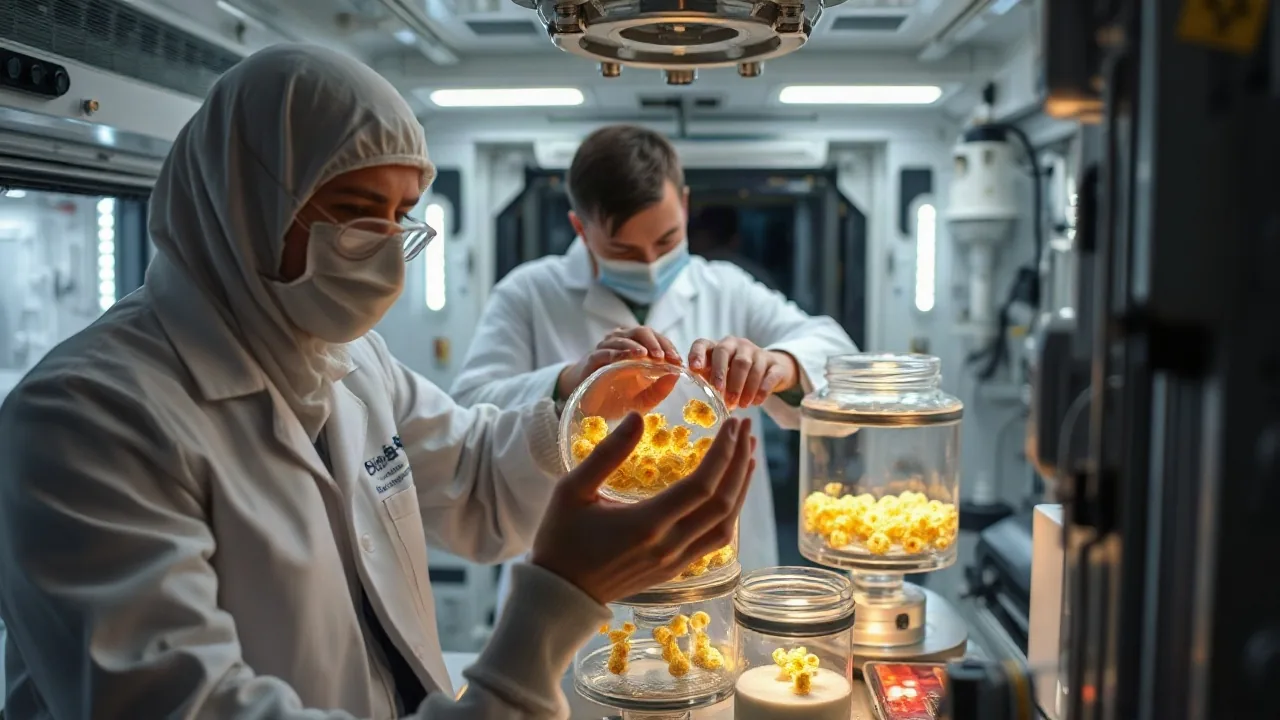
Miniature human organs, also known as organoids, are embarking on a journey to the International Space Station (ISS) to unlock secrets about aging and disease. A team of scientists from Mount Sinai Hospital in New York City is leading this ambitious project, which seeks to understand how microgravity affects human tissues and potentially pave the way for new medical treatments.
The organoids, cultivated from human stem cells, represent simplified versions of organs like the brain and heart. By studying these complex structures in the unique environment of space, researchers hope to gain insights into cellular degeneration and disease progression that are difficult to replicate on Earth. This groundbreaking research could have profound implications for both space exploration and healthcare on our planet.
Investigating Microgravity's Impact
The primary objective of this mission is to observe how these mini organs respond to prolonged exposure to microgravity. On Earth, gravity plays a crucial role in cellular function and development. Its absence in space can lead to significant physiological changes, including bone density loss and muscle atrophy in astronauts. Understanding these changes at a cellular level through organoids could help develop countermeasures to protect astronauts during long-duration missions to Mars and beyond.
"We are looking at how tissues age and degenerate in space," explained Dr. Situ, a lead researcher on the project. "These organoids serve as powerful models because they mimic human organ structures and functions, allowing us to study complex biological processes without invasive experiments on humans." The mission is part of an ongoing effort to leverage the unique conditions of space for scientific discovery.
The samples were launched aboard a SpaceX Dragon cargo spacecraft from NASA's Kennedy Space Center in Florida. Once aboard the ISS, the organoids will be maintained in specialized growth chambers, and their development and cellular activity will be monitored remotely by the science team. This includes analyzing gene expression, cellular structure, and overall tissue health over a period of several weeks.
The research builds upon previous studies that have sent various biological samples into space. However, the use of sophisticated organoid models represents a significant leap forward. Unlike simpler cell cultures, organoids possess a more complex, three-dimensional structure that better reflects the intricacies of human organs. This allows for a more accurate simulation of disease development and the effects of medical interventions.
The potential benefits extend beyond the realm of space travel. The findings from this mission could accelerate the development of new therapies for age-related diseases such as Alzheimer's, Parkinson's, and heart conditions. Diseases that impact brain and heart health on Earth share similarities with the cellular changes observed in astronauts. Therefore, studying these processes in microgravity could offer novel therapeutic targets.
Mount Sinai has been at the forefront of organoid research for years, developing advanced techniques to grow and manipulate these miniature organs. This space mission is a culmination of that expertise, pushing the boundaries of what is possible in biomedical research. The data collected will be meticulously analyzed upon the return of the samples to Earth, promising new insights into the fundamental mechanisms of life and aging.