
Mouse Embryo Development Mapped in Unprecedented Detail
Scientists have mapped the cellular lineage of a mouse embryo with unprecedented detail, creating the largest cellular "family tree" for a mammal. This breakthrough offers new insights into early development.

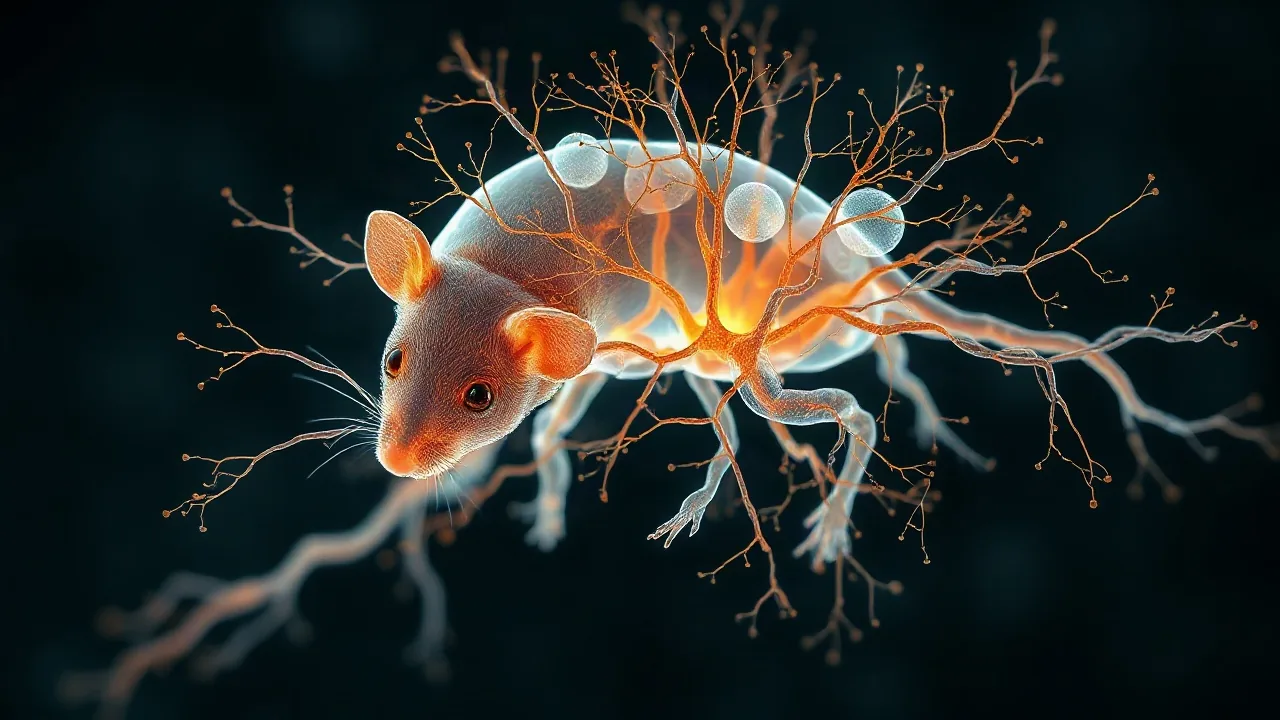
Researchers have meticulously charted the developmental journey of a mouse embryo from a single cell into a complex organism, generating the most extensive cellular "family tree" ever created for a mammal. This groundbreaking work, published recently in the journal Nature, provides a high-resolution map of how approximately 1.2 million cells differentiate and organize during the earliest stages of life.
The project, undertaken by scientists at the University of Washington (UW) Medicine and other institutions, utilized advanced sequencing technologies to track the ancestry of each cell. This method, dubbed the "HHMI DNA Typewriter," effectively records the history of cell divisions and fates, offering a dynamic view of embryogenesis. Previously, mapping such intricate developmental processes in mammals was a significant challenge due to the opacity of early embryos and the sheer number of cells involved.
Mapping the Cellular Blueprint
The resulting dataset is a testament to the power of modern biological research, detailing the precise lineage of cells as they commit to forming specific tissues and organs. By tracing the origins of over a million cells, scientists can now observe not only which cells become what, but also how they arrive at their specialized states. This level of detail is crucial for understanding fundamental biological processes and identifying the root causes of developmental disorders.
Dr. Jonathan Miller, a lead researcher on the project from UW Medicine, explained the significance of the findings. "We've essentially created a comprehensive atlas of early mammalian development," Miller said. "This allows us to ask and answer questions about cellular decisions that were previously impossible to investigate. It’s like having a blueprint for building a mouse, cell by cell."
The implications of this research extend beyond basic science. Understanding the precise sequence of events and the genetic programs that drive cell differentiation can shed light on conditions like birth defects and infertility. For instance, identifying specific points where developmental pathways go awry could pave the way for new diagnostic tools or therapeutic interventions aimed at supporting healthy pregnancies.
Furthermore, the technological advancements enabling this map have broader applications in biotech and health research. The ability to track cellular lineages with such accuracy could be adapted to study cancer development, where cellular hierarchies and mutations play critical roles, or to optimize regenerative medicine approaches by understanding how tissues are naturally built.
The creation of this extensive cellular family tree represents a significant leap forward in developmental biology. It provides a rich resource for scientists worldwide, enabling deeper exploration into the intricate choreography of life's earliest moments and offering hope for future breakthroughs in understanding and treating a range of health conditions. The detailed mapping of mouse embryo development is expected to fuel numerous follow-up studies in the coming years.