
Jurassic Swimmer Fossil Shows Mammal Milk Drinking Origins
A newly discovered Jurassic-era mammaliaform fossil, nicknamed the 'otter-like critter,' reveals that the specialized throat structure enabling mammals to nurse evolved far earlier than previously believed, potentially during the age of dinosaurs.

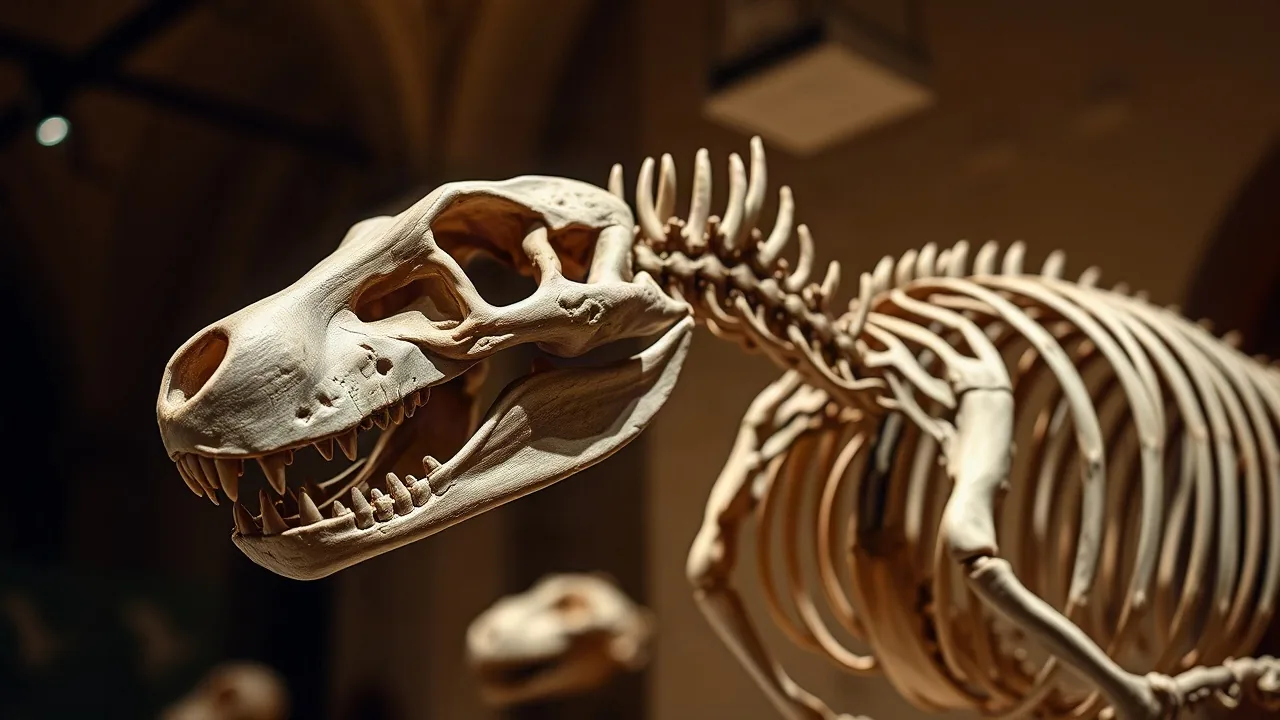
Scientists have unearthed a remarkable fossil from the Jurassic period, offering new insights into the evolutionary history of mammals. The creature, a mammaliaform swimmer resembling a modern otter, possessed a specialized pharyngeal structure that allowed it to breathe and swallow simultaneously. This anatomical feature is crucial for mammals to nurse their young, suggesting this complex feeding mechanism originated much earlier than previously thought, potentially during the time of dinosaurs.
The fossil, detailed in the journal Nature, was discovered in a lakebed deposit and represents a significant find for understanding early mammalian evolution. Researchers from the University of Chicago were instrumental in analyzing the specimen, using advanced imaging techniques to reconstruct its soft tissues and feeding behaviors. The findings indicate that this mammal-like throat, allowing for the separation of breathing and swallowing, was present in lineages predating true mammals.
Evolutionary Milestone Revealed
The ability to nurse is a defining characteristic of mammals, enabling efficient transfer of nutrients from mother to offspring. This capability relies on a specific anatomical arrangement in the throat, where the airway (larynx) remains connected to the nasal passage while swallowing, preventing choking. Previously, paleontologists believed this adaptation arose much later in mammalian evolution. However, the Jurassic fossil demonstrates that a similar pharyngeal structure was in place approximately 160 million years ago.
Dr. Zhe-Xi Luo, a lead researcher on the project, stated, "This discovery pushes back the origin of the mammalian-style pharynx by tens of millions of years." He further explained that the fossil provides direct evidence of this critical evolutionary step, which was essential for the diversification and success of mammals. The unique physiology of this ancient creature allowed it to be an agile predator in both water and on land, showcasing a versatile lifestyle.
The implications of this find extend to our understanding of the competitive landscape during the Mesozoic Era. While dinosaurs dominated the terrestrial and aerial environments, early mammaliaforms like this fossilized swimmer were carving out their niches, developing sophisticated adaptations for survival. The presence of this advanced feeding mechanism suggests that these early relatives of modern mammals were more complex and capable than previously imagined.
Further research is planned to explore other fossil specimens from the same period and region to determine how widespread this trait was. The team hopes to uncover more about the diet and ecological role of these ancient animals. This discovery underscores the importance of continued paleontological research in piecing together the intricate puzzle of life's history on Earth. The study of these early mammaliaforms highlights the deep evolutionary roots of traits we now consider uniquely mammalian.