
Space Data Centers Raise Alarms: Experts Warn of Planetary Pollution
Experts and environmental groups are sounding the alarm over proposed space data centers from companies like SpaceX and Blue Origin, warning of catastrophic atmospheric pollution.

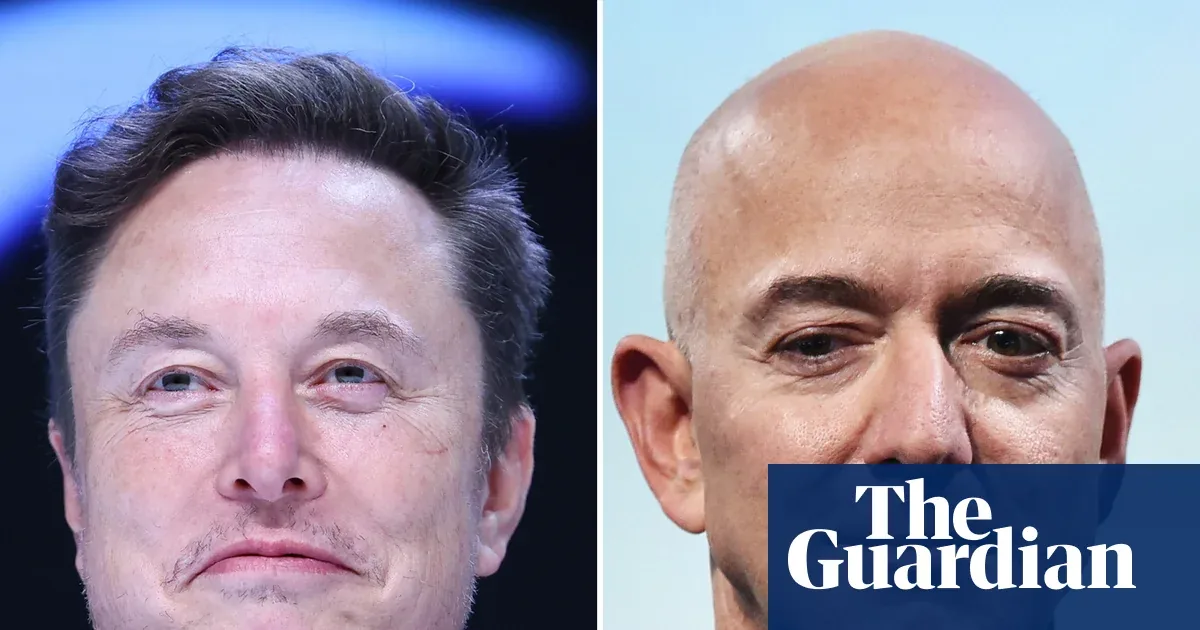
Millions of proposed "orbital data centers" from tech giants like SpaceX and Jeff Bezos's Blue Origin could release staggering levels of pollution, potentially altering Earth's atmosphere and causing "catastrophic" planetary damage, according to a new petition demanding a review of their environmental impacts. Tech companies are pushing forward with these ambitious plans, seeking approval from the Federal Communications Commission (FCC). Concerns center on pollution from rockets and satellites burning up during re-entry, which appears to be accumulating in the stratosphere at alarming rates. These spacecraft release black soot, rare metals, aluminum oxides, and other pollutants with unknown consequences.
Some scientists fear this pollution could damage the ozone layer, increase harmful ultraviolet radiation exposure, and exacerbate the ongoing climate crisis. Furthermore, debris returning to Earth and the sheer number of satellites could create significant light pollution. The petition, submitted to the FCC by non-profits Public Employees for Environmental Responsibility (PEER), Earthjustice, and DarkSky International, calls for a halt on new licenses for these projects, arguing they may violate federal law. The petition criticizes the companies for promoting their ventures as "civilization-changing" while reportedly refusing to investigate the environmental, scientific, or economic ramifications.
Atmospheric Accumulation and Unknown Consequences
The number of active satellites in orbit has surged dramatically, from around 1,400 in 2015 to an estimated 15,000 currently. Projections suggest this could skyrocket to 100,000 within the decade, excluding the proposed data center networks. Currently, the primary source of satellite pollution stems from "mega constellations" like Starlink and Amazon's Project Kuiper, which provide broadband internet. These spacecraft generate emissions during launch, including black carbon and aluminum oxide, and release metals upon disintegration at the end of their operational life, typically five to 15 years. This process injects pollutants into the sensitive stratosphere, a region with insufficient understanding of the consequences. A 2023 NOAA-sponsored flight detected metals in stratospheric sulfuric acid aerosols, which play a critical role in regulating Earth's temperature by reflecting solar radiation and preventing pollutants from entering the ozone layer. The interaction between these spacecraft metals, naturally occurring elements, and sulfuric acid aerosols remains largely unknown, raising concerns about potential disruptions to Earth's climate regulation systems.
Steve Volz, former head of NOAA's satellite office, stated that launching millions of additional satellites poses a significant environmental risk. "There is a lot of complex material in these things, and even if they do burn up, you do not want to be filling up the atmosphere with refuse from these any more than you would want it coming from a smoke stack," Volz remarked. He noted that while some former federal space officials doubt the feasibility of orbital data centers, the environmental risk of proliferating satellites is undeniable.
Beyond atmospheric concerns, light pollution from millions of satellites threatens to fundamentally alter the night sky. Ruskin Hartley, executive director of DarkSky International, warned, "These projects could permanently alter the night sky as we know it." He emphasized the FCC's duty to prevent unnecessary harm to naturally dark skies. Additionally, Cole Donovan, a former NOAA space policy expert, highlighted the substantial demand for rare metals and other resources required for these data centers, posing ground-level environmental challenges.
The petition argues that the FCC must adhere to statutory requirements to determine if granting licenses for satellite operations serves the "public interest, convenience, and necessity." It also asserts that the National Environmental Policy Act (NEPA), which mandates federal agencies to assess environmental impacts, should apply to these satellite projects. Advocates contend that NEPA would provide a framework for evaluating impacts, considering alternatives, and disclosing risks. Companies like Cowboy Space Corporation, founded by Robinhood's co-CEO, are seeking permits for massive satellite systems, with applications offering minimal detail on environmental mitigation. SpaceX's applications, while mentioning "humanity's multi-planetary future," reportedly provide no substantive plan for addressing cumulative environmental harms from millions of orbiting, colliding, and disintegrating satellites.