
AI Digital Avatars: Personal Bots You Can Chat With Emerge
Interactive digital avatars, powered by AI, are becoming a reality, allowing users to create and converse with their own digital doppelgangers. This technology offers new ways to interact with AI.

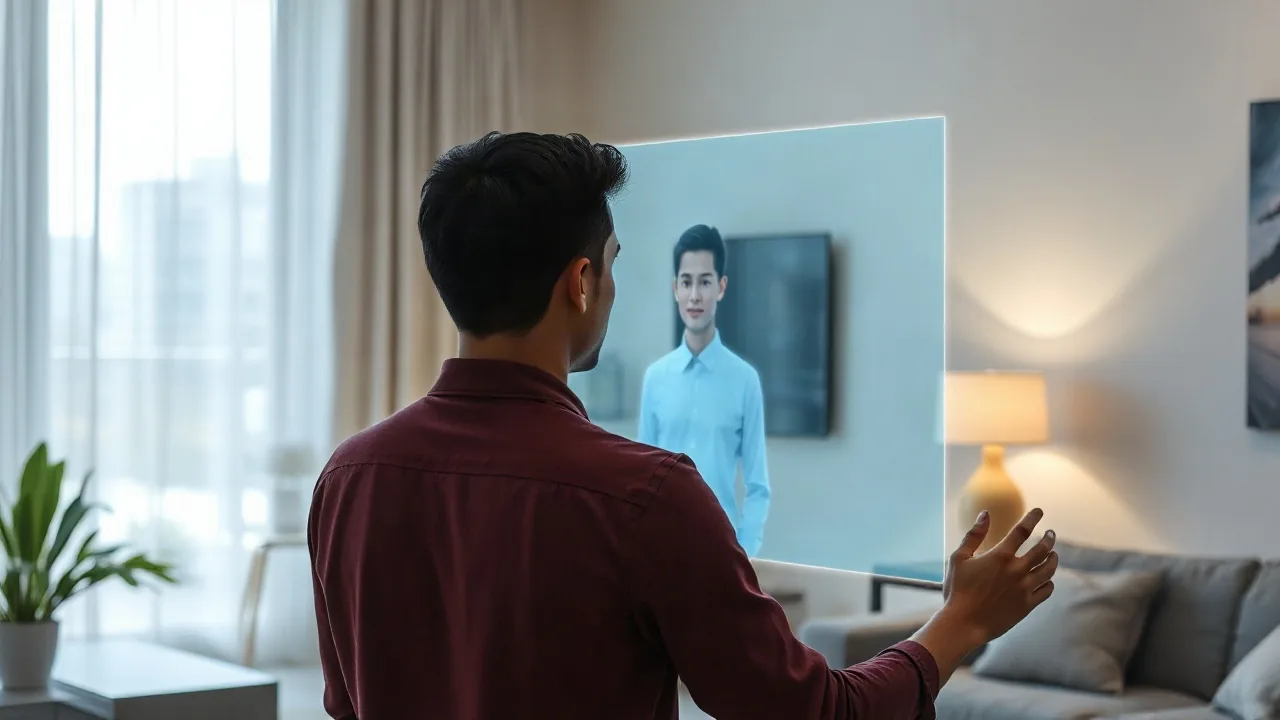
The concept of having a digital replica of oneself that can hold conversations is no longer confined to science fiction. Recent advancements in artificial intelligence are making it possible for individuals to create and interact with their own AI-powered digital avatars. These personalized bots offer a unique interface for engaging with sophisticated AI models.
This emerging technology allows users to train an AI on their own digital footprint, including voice, writing style, and personality traits, to create a virtual representation. The goal is to generate an avatar that mimics the user's communication patterns and even emotional responses, offering a familiar and intuitive conversational partner. The potential applications range from personal assistants and companions to more specialized roles in education and customer service.
The Rise of Personalized AI Companions
Creating a personal digital avatar involves leveraging large language models and other AI technologies to process vast amounts of user data. This data can include emails, social media posts, voice recordings, and even video. The AI then learns to replicate the user's unique way of speaking, thinking, and interacting. Companies are exploring ways to make this process accessible, allowing individuals to build their own AI counterparts with relative ease.
One of the key challenges and ethical considerations is ensuring the privacy and security of the data used to train these avatars. Developers are working on robust security measures to protect user information and prevent misuse. The aim is to build trust by providing transparency in how data is collected, processed, and stored. As these technologies mature, the line between human and AI interaction may become increasingly blurred.
The implications of widespread adoption of personal AI avatars are significant. For individuals, it could mean having a digital extension of themselves available 24/7, capable of performing tasks, offering support, or simply engaging in conversation. For businesses, it opens up new avenues for personalized customer engagement and digital brand representation. Imagine interacting with a company representative who is a perfectly crafted AI replica of a brand ambassador.
However, questions about authenticity, emotional connection, and the potential for deception arise. While an AI avatar can mimic human interaction, it does not possess genuine consciousness or emotions. Understanding these limitations will be crucial as the technology evolves. The development of these interactive digital beings marks a significant step in the ongoing software-saas revolution, pushing the boundaries of what's possible with artificial intelligence and human-computer interaction.