
AI in Beauty Tech: Virtual Makeup and Personalized Skincare
AI-powered beauty tools are transforming how consumers shop for cosmetics in 2026. From virtual try-ons to personalized skincare recommendations, machine learning is reshaping the entire industry.

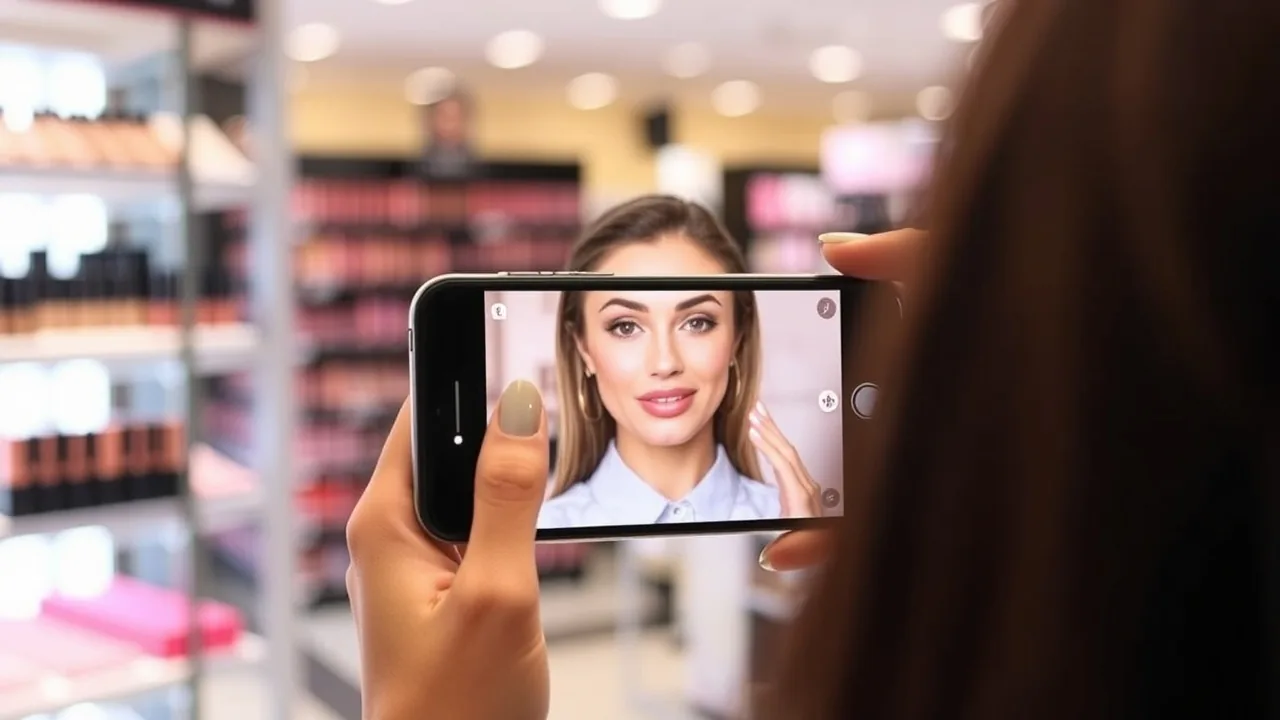
Sephora's latest store visits in July 2026 reveal a shift that would have seemed far-fetched five years ago: customers now spend as much time testing makeup virtually on their phones as they do at physical counters. This wave of AI adoption in beauty reflects a broader industry transformation where algorithms analyze skin tone, texture, and preference data to deliver hyper-personalized product recommendations.
The beauty sector has embraced artificial intelligence at a pace that surprises even veteran analysts. Estee Lauder, Unilever, and L'Oreal have all launched or expanded AI-driven product lines since early 2026. According to Dr. Samantha Chen, beauty tech strategist at Cosmetech Research Group, "The adoption curve we're seeing now mirrors smartphone penetration from the early 2000s. What was experimental in 2024 is now table stakes."
Personalized skincare has become the flagship use case. Machine learning models now ingest customer data including climate, humidity, skin microbiome markers, and ingredient sensitivity history to recommend serums and moisturizers tailored to individual conditions. Rather than a one-size-fits-all SPF 30, consumers receive a recommendation for SPF 28 with niacinamide and zinc oxide formulated for their exact skin chemistry.
Virtual Try-Ons and Real Conversion Gains
Virtual makeup try-ons have moved beyond novelty into profitability. Retailers report that customers who use augmented reality (AR) tools to preview lipstick shades or foundation matches show 34 percent higher purchase rates than those who skip the feature. AR mirrors powered by computer vision now detect facial landmarks in real time with accuracy within millimeters.
Beauty subscription services have integrated this technology directly into their recommendation engines. When a subscriber opens an app, AI algorithms analyze their recent purchase history, skin tone data captured during onboarding, and trending shades in their geographic region to suggest three to five products they are statistically likely to repurchase or try. Returns have dropped 18 percent year-over-year at companies deploying these systems.
The technology also solves a long-standing retail pain point: shade matching across different lighting conditions. A foundation that looks perfect indoors can appear mismatched in daylight. AI-powered tools now account for color temperature variance and recommend shades adjusted for both indoor and outdoor environments.
Product Development and Supply Chain Innovation
Beauty tech has expanded beyond the customer experience into innovation labs. Major cosmetics manufacturers now use machine learning to forecast which ingredient combinations will outperform competitors in clinical trials. Neural networks analyze molecular structures and predict how formulations will interact with human skin based on millions of prior test results.
Olaplex and Coty have both published case studies showing AI reduced product development timelines by 40 percent in 2025 and 2026. Instead of launching four new serums per year, companies can now iterate and test 12 or more, accelerating the pace of innovation.
Supply chain resilience has also benefited from predictive analytics. Personalized skincare businesses depend on rapid inventory turnover. AI models now forecast demand for specific ingredient combinations weeks in advance, allowing manufacturers to adjust production schedules and reduce waste. One mid-tier Korean beauty brand reported a 22 percent reduction in unsold inventory after implementing demand forecasting in early 2026.
Ethical sourcing has become another frontier. Machine learning algorithms now track ingredient provenance through blockchain records and flag sustainability red flags before products reach shelves. Companies can certify that their vitamin C derivatives come from responsibly harvested plants, a claim that increasingly influences younger consumer purchasing decisions.
Consumer Privacy and the Data Trade-Off
The rapid deployment of AI tools has raised questions about data governance. To deliver accurate skin-tone analysis and personalized recommendations, apps must collect biometric information including facial images, skin pH levels, and product purchase histories. Privacy advocates have flagged concerns about long-term storage and third-party sharing of these datasets.
The Federal Trade Commission has begun issuing guidance on beauty tech data practices as of July 2026. Most leading retailers have responded by offering granular privacy controls, allowing customers to opt out of algorithmic recommendations while retaining basic features like virtual try-ons. Transparency reports filed by Estee Lauder and Sephora in recent months show that approximately 67 percent of active users consent to personalization features when given clear opt-in language.
Looking ahead, the intersection of AI in beauty and consumer privacy will likely shape regulation. Industry experts expect that companies offering the most transparent, user-controlled data practices will capture market share from competitors perceived as opaque. The beauty sector, unlike some technology industries, has responded swiftly to privacy concerns because brand trust directly affects purchasing decisions.
By late 2026, AI-powered tools have moved from experimental to essential in the beauty industry. Virtual makeup try-ons, personalized skincare algorithms, and AI-assisted product development are now standard offerings at major retailers and brands. The technology will continue to evolve, but the fundamental shift toward data-driven, individualized beauty experiences is already locked in place.