
NASA's Viking 1 Captures First Mars Surface Image 50 Years Ago
Fifty years ago, NASA's Viking 1 lander achieved a historic first, transmitting the initial close-up images of the Martian surface after its successful landing. This event marked a pivotal moment in humanity's exploration of the Red Planet.

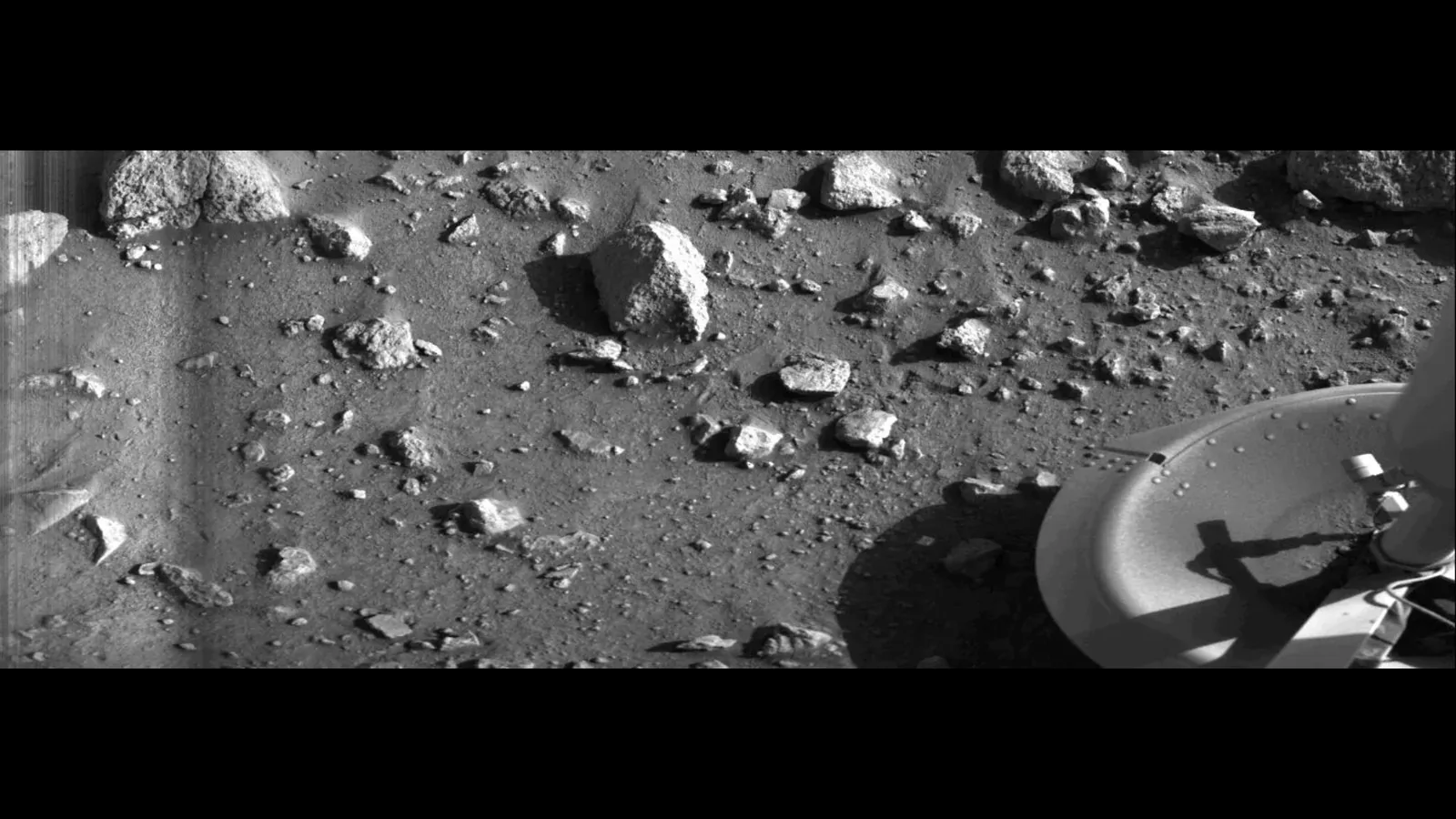
Fifty years ago, on July 20, 1976, NASA's Viking 1 lander made history by achieving the first fully successful landing on the Martian surface and immediately transmitting the first-ever close-up images of the Red Planet. This groundbreaking achievement occurred decades after earlier, less successful attempts by other nations.
The Soviet Union, for instance, had previously attempted multiple Mars landings, all encountering significant issues. The Soviet Mars 3 lander managed to survive its 1971 touchdown but lost contact with Earth less than two minutes later. In contrast, the Viking 1 lander not only survived its landing but vastly exceeded its planned 90-day mission duration, operating on Mars for over six years and gathering invaluable scientific data.
Working in conjunction with its orbiter counterpart, the Viking 1 mission was later joined by the Viking 2 lander and orbiter pair, further expanding humanity's understanding of Mars. The images transmitted by Viking 1 were revolutionary, offering the first concrete visual evidence of what the Martian landscape truly looked like. This moment was particularly significant when viewed against the backdrop of popular science fiction, such as Ray Bradbury's "The Martian Chronicles," which had long fueled imaginations with fantastical depictions of Martian life and environments.
Bridging Imagination and Reality
The Viking 1 mission provided the crucial bridge between speculative visions of Mars and scientific reality. Before 1976, the surface of the Red Planet remained an enigma, known only through telescopic observations that offered limited detail. The lander's cameras, however, sent back stark, black-and-white panoramas of rocks and dust, confirming Mars as a tangible world accessible to human exploration. This initial visual data laid the groundwork for subsequent Martian exploration efforts.
NASA's commitment to exploring Mars has continued unabated, with robotic missions becoming increasingly sophisticated over the ensuing decades. The agency began deploying rovers to traverse the planet's surface in the 1990s, initiating a continuous stream of data collection and analysis that has lasted for decades. From the early panoramas of Viking 1 to the high-definition imagery and complex scientific instruments of today's rovers like Perseverance, humanity's perspective on Mars has been profoundly shaped by these missions.
The success of Viking 1 was not just about taking pictures; it was about validating the possibility of interplanetary exploration and paving the way for future endeavors. The mission's longevity and the wealth of data it collected, including atmospheric studies and potential evidence of microbial life (though later debated), underscored the scientific bounty awaiting discovery on other worlds. The initial images, though rudimentary by modern standards, ignited public imagination and solidified Mars as a prime target for ongoing scientific inquiry.
This 50th anniversary serves as a powerful reminder of how far space exploration technology has advanced. The images captured by Viking 1, relayed across millions of miles, represent a triumph of engineering and scientific ambition. They continue to inspire new generations of scientists and engineers to push the boundaries of what is possible in our quest to understand the cosmos and our place within it. The legacy of Viking 1 endures in every new image sent back from the Red Planet.