
Nothing Phone 4(b): Cheaper Design, Downgraded Specs Explained
Nothing's new Phone 4(b) offers a lower price point but sacrifices features like screen resolution and camera capabilities compared to its predecessor. Here's a breakdown of the compromises.

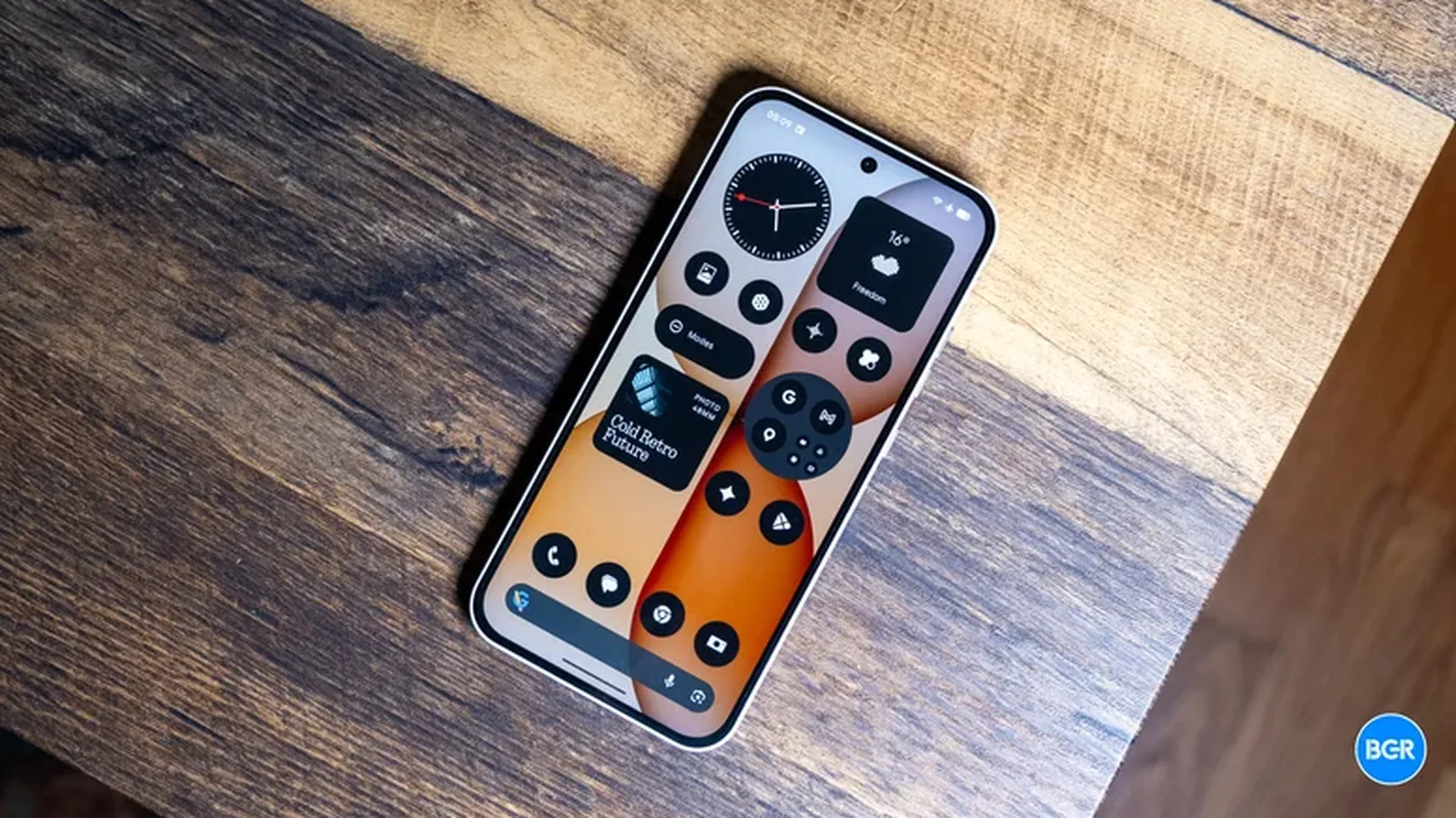
Nothing unveiled its latest budget-friendly smartphone, the Nothing Phone 4(b), in early July 2026. This new device introduces the company's 'B' series, aiming to offer a more accessible entry point into Nothing's distinctive design language. While retaining the signature Glyph interface, the Phone 4(b) comes with a significantly reduced price tag compared to its predecessor, the Nothing Phone 4(a), despite global electronic price hikes.
The Nothing Phone 4(b) launches at £299 in the UK, approximately $399 USD. This is a notable reduction from the Nothing Phone 4(a), which debuted at £349 (around $466 USD) in March 2026. This price drop is particularly striking given the ongoing memory crisis fueled by AI data centers, which has driven up costs for electronic components. Nothing CEO and co-founder Carl Pei had previously expressed concerns about rising smartphone prices, making this more affordable option a surprising move.
The cost savings on the Phone 4(b) are primarily attributed to several deliberate downgrades in its hardware specifications. One of the most significant compromises is the build material; the new model features a plastic back panel, a departure from the glass construction of the Phone 4(a). This change, along with other internal adjustments, allowed Nothing to trim the starting price.
Further examination of the display reveals a shift in resolution. The Phone 4(b) sports a 6.77-inch panel, similar in size to its predecessor, but it lowers the resolution to 1080 x 2344 pixels. This contrasts with the 4(a)'s sharper 1224 x 2720-pixel screen, resulting in a pixel density of 381 pixels per inch (PPI) for the 4(b), down from the 4(a)'s 440 PPI. The display's peak brightness also sees a reduction, dropping from 4,500 nits on the 4(a) to 2,000 nits on the 4(b).
Performance and Camera Specifications
Under the hood, the Nothing Phone 4(b) is equipped with the Snapdragon 6 Gen 4 processor, a step down from the Snapdragon 7s Gen 4 found in the 4(a). While both models offer the same base storage and memory configurations, the 4(b) utilizes older UFS 2.2 storage technology, whereas the 4(a) featured the faster UFS 3.1. In terms of photography, the Phone 4(b) is equipped with a dual-camera system on the rear, comprising a 50 MP main sensor and an 8 MP ultrawide lens. It notably omits the telephoto lens that was present on the 4(a), making the camera setup less versatile.
An area where the Phone 4(b) does see an improvement is battery capacity. It houses a 5,200 mAh battery in its international variant, slightly larger than the 4(a)'s 5,080 mAh. However, this increased capacity comes with slower charging speeds, topping out at 33W compared to the 50W fast charging supported by the 4(a). This combination of features and pricing positions the Nothing Phone 4(a) as a potentially more compelling option for consumers willing to spend slightly more.
The strategy behind the Nothing Phone 4(b) appears to be a calculated effort to capture a more budget-conscious market segment. By strategically reducing costs through hardware compromises, the company aims to make its distinctive design accessible to a wider audience. However, the relatively small price difference between the 4(b) and the 4(a) raises questions about the value proposition. With the 4(a) offering a superior display, a more powerful processor, a more capable camera system, and faster charging, consumers may find it more advantageous to invest the additional $70 or so for the higher-specced model. This aligns with earlier reviews of the 4(a) that praised its performance and value within its price bracket, suggesting the 4(b) faces stiff competition not only from other manufacturers but also from within Nothing's own product line.