
SpaceX Dragon Leak Delays 13th NASA Astronaut Launch to ISS
SpaceX and NASA have postponed the 13th crewed mission to the International Space Station due to an oxidizer leak discovered in the Dragon spacecraft's propulsion system. A new launch date is pending further tests.

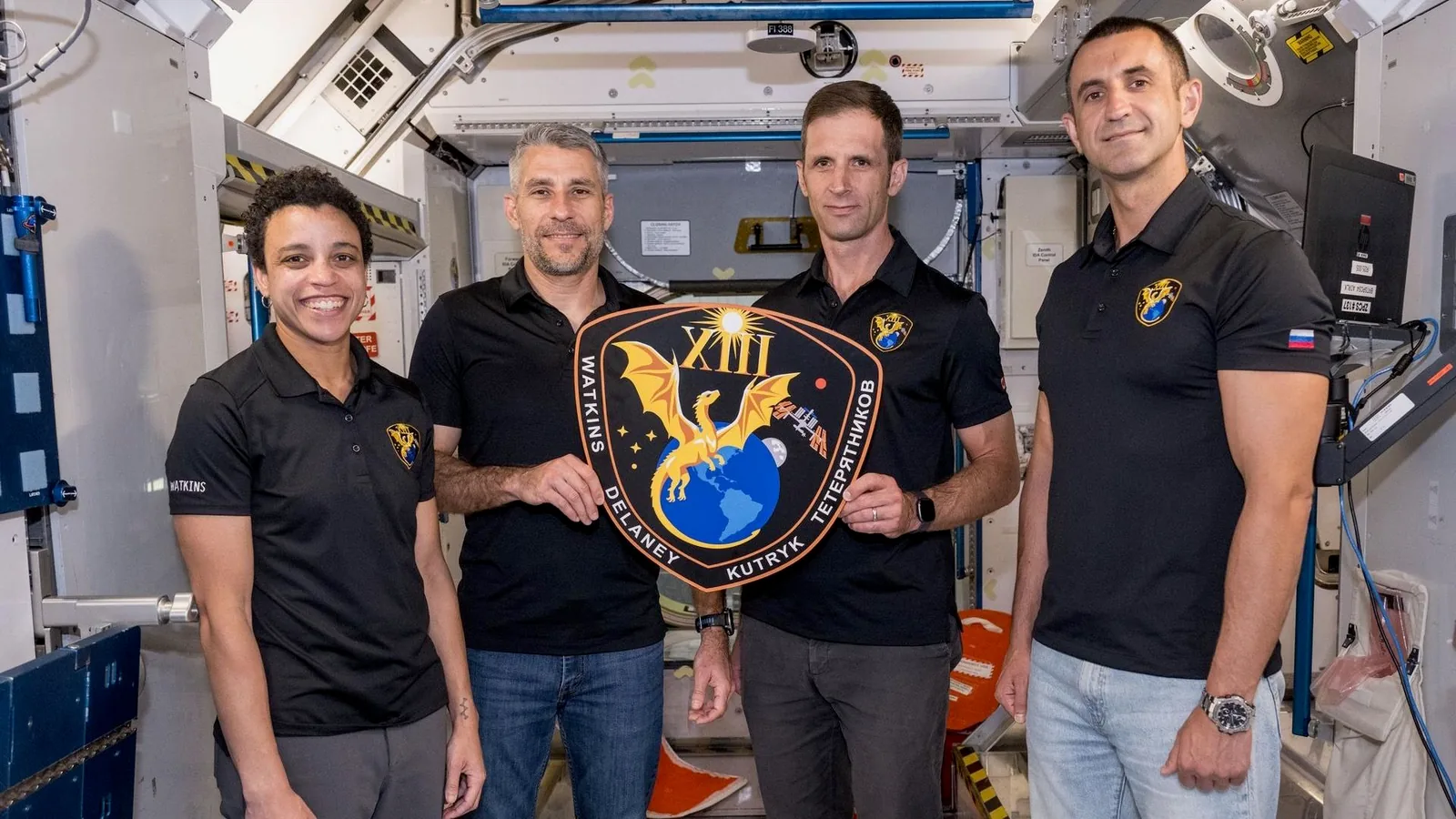
The planned September 12 launch of SpaceX's 13th operational astronaut mission to the International Space Station (ISS) has been postponed, NASA confirmed Saturday, August 29. The delay is attributed to an oxidizer leak detected in the propulsion system of the company's Dragon spacecraft. Joint teams from NASA and SpaceX are currently conducting extensive tests and reviewing data to address the issue. "We will complete any necessary rework prior to launch," a NASA spokesperson stated, adding that a new target date will be announced once assessments are finalized. The mission, designated Crew-13, is set to depart from Cape Canaveral Space Force Station aboard a Falcon 9 rocket.
Crew-13 will transport a four-person international crew to the orbiting laboratory for a standard seven-month deployment. The crew includes NASA astronauts Jessica Watkins and Luke Delaney, the Canadian Space Agency's Josh Kutryk, and Sergey Teteryatnikov from Russia's federal space corporation, Roscosmos. This mission marks another significant collaboration between NASA and SpaceX in their ongoing effort to maintain a consistent human presence aboard the ISS. SpaceX has been a critical partner for NASA's human spaceflight program since the Demo-2 test flight in May 2020.
Mission objectives and recent activities
Astronaut Jessica Watkins described the upcoming mission as potentially very demanding during an August 3 press conference. "We expect a very busy mission with lots of station maintenance, both internal and external, with a few EVAs [extravehicular activities, or spacewalks] on the docket," Watkins said. The crew will also be responsible for capturing and stowing visiting vehicles, a critical logistical task for the station's operations. Additionally, a significant component of their stay will involve conducting scientific research. "Lots of science — very interesting science experiments that will be flying with us as well — and plenty of outreach," she added, highlighting the multifaceted nature of the mission.
The delay comes shortly after SpaceX successfully launched NASA's Nancy Grace Roman Space Telescope on Sunday, August 30. That high-profile mission utilized a Falcon Heavy rocket, demonstrating SpaceX's diverse launch capabilities. The reliable operation of the SpaceX Dragon spacecraft is paramount for NASA's crewed mission architecture. The propulsion system issues, while necessitating a delay, underscore the rigorous testing and safety protocols both agencies adhere to before any crewed flight. This careful approach ensures the safety of the astronauts and the success of the long-duration missions aboard the ISS.