
Orca Brothers Target Great White Sharks Off South Africa Coast
Two specific orcas, known as Port and Starboard, have been observed hunting and killing great white sharks off the coast of South Africa. This behavior raises concerns for the local shark population.

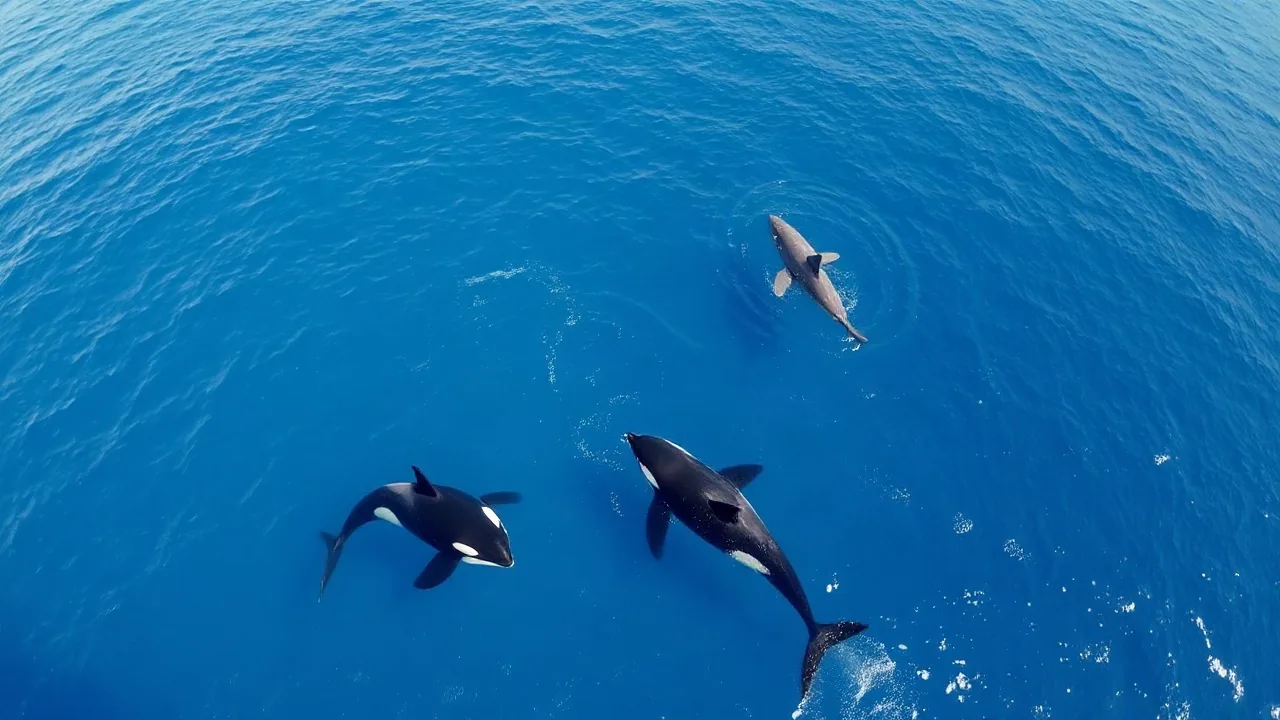
A dramatic shift in the marine food chain is unfolding off the coast of South Africa, where a pair of specific orcas, dubbed "Port and Starboard," have been linked to a series of unprecedented attacks on great white sharks. The unusual predatory behavior has led to multiple great white carcasses washing ashore, with distinctive injuries pointing directly to the killer whales. Marine biologists are closely monitoring the situation, which has implications for the entire ecosystem.
The phenomenon was first noted in 2017 when several great white sharks were found dead on beaches in False Bay, near Cape Town. Subsequent investigations revealed deep wounds to the liver, a delicacy for orcas. More recently, similar incidents have been observed, with as many as five great white sharks found dead within a single week in August 2023, all bearing the same tell-tale signs of orca predation. Researchers have identified two specific male orcas, named Port and Starboard by scientists, as the primary culprits. These highly intelligent marine mammals appear to have developed a specialized hunting technique to target and disembowel the larger sharks, consuming only their nutrient-rich livers.
A New Apex Predator Dynamic
This targeted hunting is a significant departure from typical predator-prey interactions observed in the wild. While interspecies predation is known to occur, the consistent and seemingly strategic nature of these attacks by orca brothers suggests a learned behavior that has been passed down or replicated within their pods. Scientists believe that Port and Starboard may have learned that the livers of great white sharks are a highly nutritious food source, leading them to systematically seek out and kill these apex predators. The effectiveness of their method has reportedly caused other great white sharks to flee the areas where these orcas frequent, leading to a noticeable absence of the sharks in traditional hotspots like Simon's Town.
Dr. Alison Towner, a marine biologist who has studied great white sharks for over a decade, expressed her astonishment at the developments. "What the hell did this?" she reportedly exclaimed upon encountering one of the early victims. "This is part of a complex interaction. We're seeing specific individuals involved. It's not just random." Her ongoing research, often in collaboration with local authorities and other scientists, aims to understand the full scope of this behavior and its ecological consequences. The implications extend beyond the immediate loss of sharks; the absence of great whites can alter the behavior of other species, potentially impacting tourism and the delicate balance of the marine ecosystem.
The increased presence and success of Port and Starboard have created a ripple effect. Dive operators who rely on sightings of great white sharks for their business have reported a sharp decline in encounters in key areas. This economic impact, coupled with the ecological concerns, underscores the importance of understanding these new predator dynamics. The long-term effects on the great white sharks population in South Africa, a vital hub for their presence, are yet to be fully determined. Conservationists are calling for continued research and monitoring to assess the sustainability of the shark populations in the face of this specialized orca predation.
Further research is underway to determine if this behavior is isolated to Port and Starboard or if it might spread to other orcas in the region or even globally. Understanding the motivations behind this shift, whether driven by environmental changes, prey availability, or learned behavior, is crucial for effective marine conservation strategies. The scientific community is keenly observing the unfolding events, which highlight the dynamic and sometimes surprising nature of life in the ocean.