
Kennedy Space Center: Launch Viewing and New Exhibits in 2026
Kennedy Space Center unveiled fresh exhibits and expanded <a href="/search/space%20tourism">space tourism</a> options in 2026, drawing record visitors to Florida's premier aerospace destination.

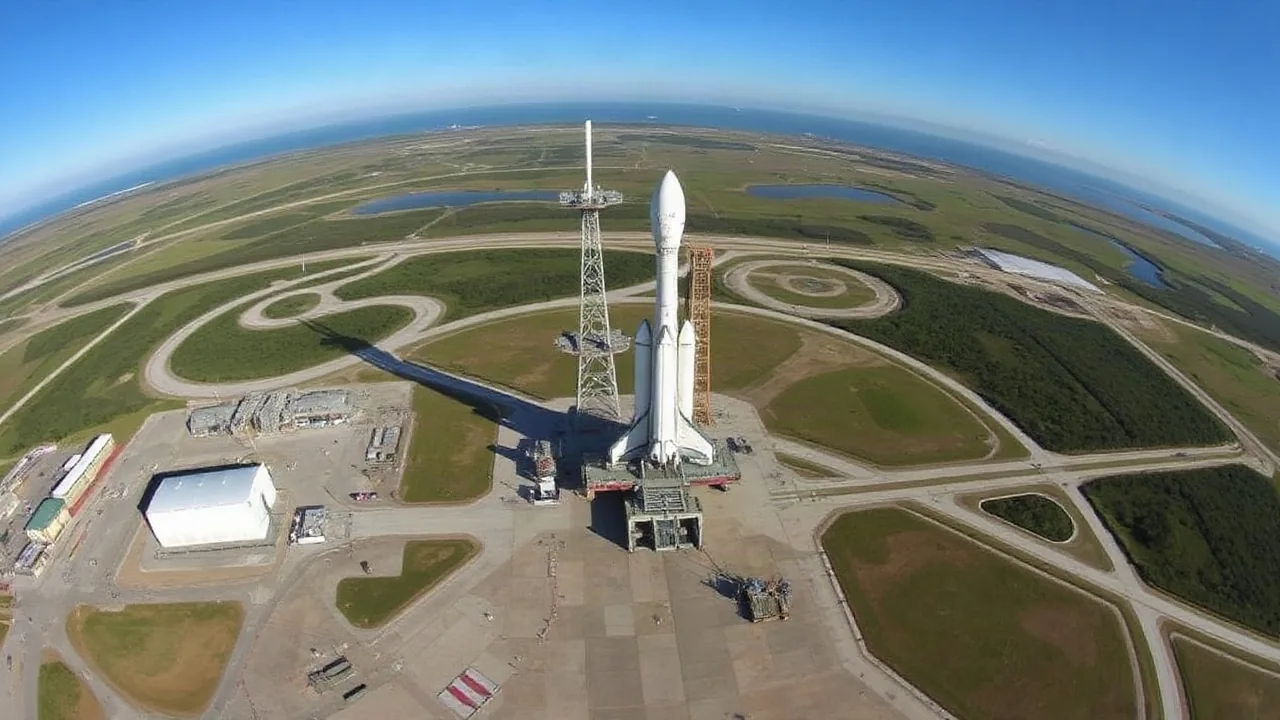
Kennedy Space Center welcomed over 1.2 million visitors in 2026, marking its strongest year since reopening to full capacity. The sprawling 140,000-acre facility on Florida's Space Coast introduced three major exhibits this fall, alongside enhanced launch viewing experiences that let tourists watch rockets depart Earth from observation areas closer than ever before.
The newest permanent installation, "Journey Beyond Earth," debuted on September 15, 2026, and showcases hardware from the Artemis program alongside interactive simulations of lunar landing procedures. Visitors can sit inside a full-scale mockup of the Artemis lander and experience simulated descent sequences. The exhibit cost $18 million and took two years to develop.
"We are seeing families prioritize space education in ways we haven't observed since the 1980s Apollo era," said Dr. Patricia Chen, Kennedy Space Center's Director of Visitor Experience, in an October 2026 interview. "Parents are booking educational packages months in advance."
Launch Viewing Opportunities Expand This Year
Kennedy Space Center now operates five dedicated viewing zones for rocket launches, up from three in 2025. The closest public vantage point sits 3.2 miles from Launch Complex 39A, where SpaceX Falcon Heavy missions depart. Advance tickets for launch events sell out within days of announcement.
The center schedules 12 confirmed launches between October and December 2026, featuring a mix of commercial cargo missions, government satellite deployments, and private space tourism flights. On October 3, Blue Origin completed its fifth crewed suborbital flight with four civilian passengers, each paying $450,000 for the 11-minute journey past the Karman line.
- Space Launch System test flight (November 2026)
- SpaceX Dragon resupply mission to ISS (October 18)
- Falcon Heavy commercial payload deployment (December 2)
- Blue Origin crewed flight (November 20)
Launch viewing packages range from $49 for a standard observation ticket to $899 for an all-day VIP experience that includes close-up vehicle assembly building tours, astronaut meet-and-greets, and private dining with unobstructed launch views.
Educational Programs and NASA Visitor Center Upgrades
Kennedy Space Center's NASA Visitor Center enhanced its programming in 2026, now offering 18 specialized educational tours weekly compared to 12 in prior years. The center targets school groups, with 40,000 students expected to visit between September and May 2027. Programs range from half-day STEM workshops to immersive overnight camps where students sleep in dormitories on the Space Coast.
A renovated NASA visitor center planetarium opened August 22, 2026, replacing equipment that dated to 2004. The new facility uses 4K projection and seats 250 people per showing. Twice-daily shows focus on the Artemis lunar exploration program and the search for habitable exoplanets.
The center installed 12 new interactive kiosks throughout the facility, allowing visitors to configure their own mission parameters using software developed by NASA's Jet Propulsion Laboratory. Visitors design trajectories, manage fuel consumption, and navigate landing sequences in real-time simulations.
Dr. Marcus Williams, an aerospace education specialist at the University of Florida, noted the broader impact: "Kennedy Space Center functions as America's primary gateway to space careers for high school students. Programs here influence college major selection for thousands annually."
Visitor Infrastructure and Planning for 2026
The facility expanded parking from 4,000 to 6,500 spaces and opened a new welcome pavilion with expanded dining and retail areas. Entry tickets start at $65 for a single-day admission. Multi-day passes and annual memberships remain popular among Florida residents.
Peak season runs from November through March, when climate conditions favor viewing outdoor exhibits. Summertime visits decline due to afternoon thunderstorms typical to central Florida. October through May offers the best combination of weather reliability and launch activity.
The center recommends booking accommodations in nearby towns like Cocoa Beach, Melbourne, and Port Canaveral at least one month ahead during launch windows. The nearest hotels within 5 miles of Kennedy Space Center's main gate include the Holiday Inn Space Coast, Renaissance Melbourne Beach Resort, and Canaveral Port Terminal lodging.
Florida attractions coordinate with Kennedy Space Center; many tourists combine a space center visit with trips to Port Canaveral cruise terminals, Cocoa Beach, and Brevard Zoo. Visitor packages bundling Kennedy Space Center admission with nearby activities sell well.
As of October 5, 2026, Kennedy Space Center remains America's leading space tourism destination, drawing international visitors from 150 countries annually. Future expansions planned for 2027 include a SpaceX-themed pavilion and additional lunar science exhibits timed with approaching crewed Artemis missions.