
AirPods Pro 3 vs. AirPods 5: Key Differences for Buyers
Apple's latest earbuds offer distinct features for different users. The AirPods Pro 3 provide premium noise cancellation and spatial audio, while the AirPods 5 focus on affordability and improved battery life.

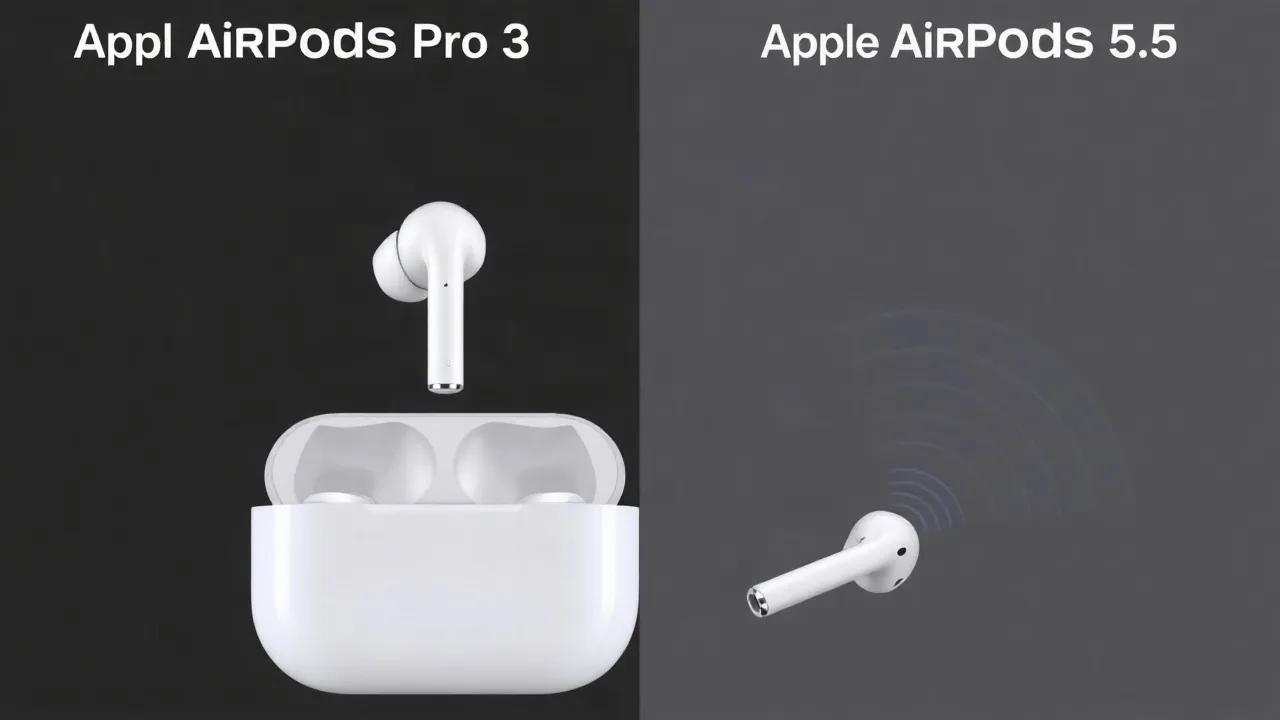
As Apple continues to refine its audio offerings, the choice between the premium AirPods Pro 3 and the latest standard AirPods 5 presents a key decision for consumers. While both provide a seamless Apple ecosystem experience, their feature sets cater to distinct user needs and priorities. The AirPods Pro 3 remain the top-tier option, boasting advanced active noise cancellation and transparency modes, along with spatial audio for an immersive listening experience. In contrast, the AirPods 5, released in September 2026, offer a more accessible entry point, focusing on significant improvements in battery life and audio quality over their predecessors.
For those prioritizing the best sound isolation and an enhanced audio environment, the AirPods Pro 3 are the clear choice. Their industry-leading active noise cancellation technology effectively silences ambient distractions, making them ideal for commuters, frequent flyers, or anyone seeking an escape from a noisy world. The adaptive transparency feature allows users to hear their surroundings without removing the earbuds, a crucial element for safety and convenience. Furthermore, the inclusion of dynamic head tracking with spatial audio transforms listening to music and watching movies, creating a theater-like soundstage that adapts to the user's head movements.
Feature Set and Value Proposition
The AirPods 5, however, present a compelling value proposition for a broader audience. Apple has focused on core improvements, including a reported 30% increase in battery life compared to the previous generation and enhanced audio drivers for clearer sound. While they lack the active noise cancellation of the Pro model, the new AirPods 5 are designed to deliver a superior listening experience for everyday use, such as podcasts, phone calls, and casual music listening. The H2 chip also ensures faster pairing and a more stable connection across Apple devices, maintaining the brand's reputation for seamless integration.
When comparing the two, potential buyers should consider their primary use case. If immersive audio, superior noise cancellation, and advanced features like spatial audio are paramount, the AirPods Pro 3 are worth the higher investment. According to Apple's product specifications, the AirPods Pro 3 offer up to 6 hours of listening time on a single charge and up to 30 hours with the MagSafe charging case. On the other hand, the AirPods 5 are designed for all-day wear, with Apple stating up to 8 hours of listening time and over 40 hours with the charging case, making them a practical choice for heavy users who don't require advanced noise-canceling capabilities. This extended battery life makes the AirPods 5 a practical option for students and professionals alike.
The design also differentiates the two models. The AirPods Pro 3 feature a silicone tip for a more secure and comfortable fit within the ear canal, contributing to their noise-isolating capabilities. The AirPods 5 retain the familiar open-ear design, which some users prefer for comfort and situational awareness. Both models support Find My integration, offering peace of mind for those prone to misplacing their earbuds.
Ultimately, the decision hinges on budget and desired functionality. The AirPods Pro 3 represent the pinnacle of Apple's earbud technology, offering a premium audio experience for discerning listeners. The AirPods 5, however, provide substantial upgrades and excellent value, making them an attractive option for anyone seeking reliable, long-lasting, and high-quality wireless earbuds without the premium price tag. Both models underscore Apple's commitment to delivering user-friendly and technologically advanced personal audio devices.