
June Strawberry Moon 2026: When to See Supermoon Low in Sky
The June 2026 "strawberry moon" reaches peak illumination on June 29, appearing unusually low in the sky due to the summer solstice. Catch it rising in the southeast Monday evening or setting in the southwest Tuesday morning.

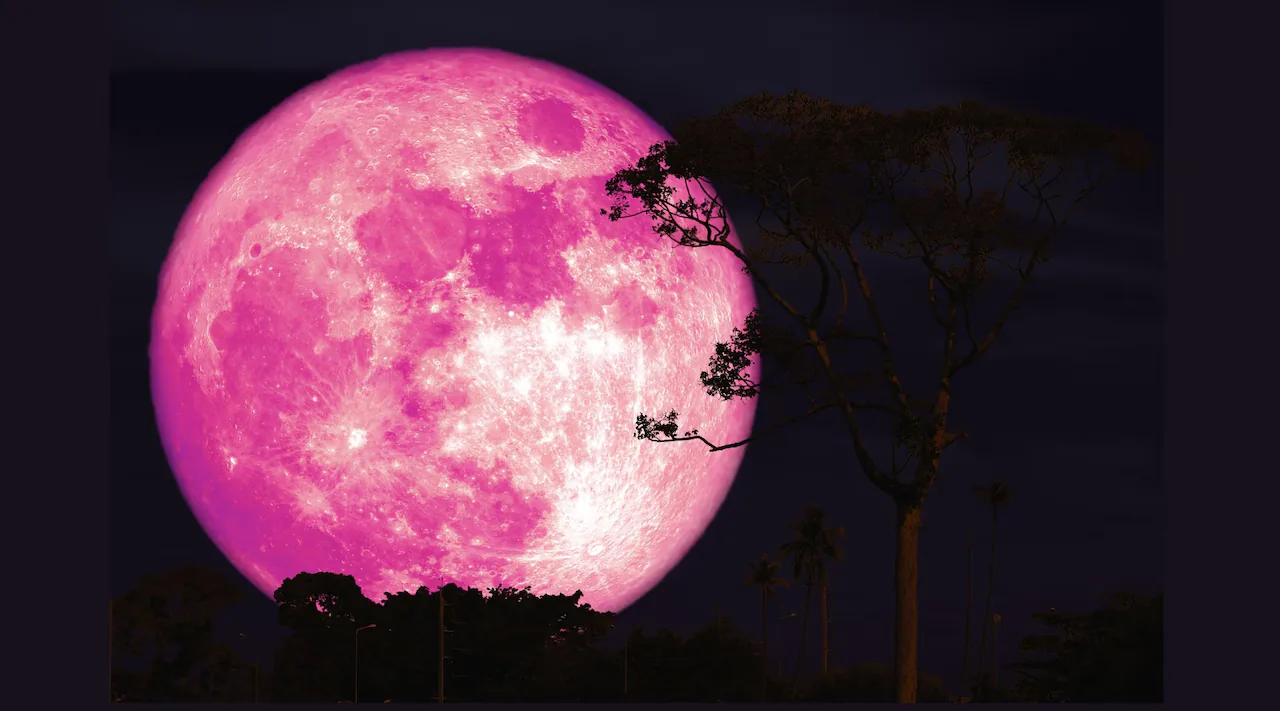
Stargazers across the United States will have an opportunity to witness the unique "strawberry moon" of June 2026 as it graces the night sky. The full moon, officially reaching its zenith at 7:57 p.m. Eastern time on Monday, June 29, is notable for its low trajectory across the sky. Contrary to its name, the moon will likely appear white or yellow, rather than reddish. This celestial event coincides with the early days of summer, influencing the moon's apparent position.
Experts explain that the low position of the June full moon is a direct result of the Earth's axial tilt during the summer solstice. As the Northern Hemisphere leans away from the sun, the moon appears lower on the horizon than it typically does during other times of the year. This phenomenon means the moon will be observed rising in the southeastern sky on Monday evening and setting in the southwestern sky just before sunrise on Tuesday. For optimal viewing, observers should look towards the horizon during these periods.
Understanding the Moon's Seasonal Path
The full moon on June 29 will appear nearly full on Sunday, June 28, reaching 100% illumination on Monday night and maintaining that fullness into Tuesday. While the term "strawberry moon" is widely used, this June full moon carries other historical and regional monikers. In Europe, it is sometimes referred to as the "rose moon," a name derived from the abundance of roses that bloom during the month of June. Another nickname, the "hot moon," reflects the increasing temperatures as summer heat intensifies in many parts of the country.
These traditional names, passed down through generations, offer insight into the historical relationship between human activities and lunar cycles. The June full moon's low altitude is a recurring astronomical event tied to the Earth's orbit and tilt, a predictable pattern that has guided agricultural practices and cultural observances for centuries. Understanding these cycles allows for a deeper appreciation of our place within the cosmos. The full moon on June 29, 2026, provides a perfect opportunity to connect with this ancient celestial rhythm.