
Halley's Comet Dust Fuels Dazzling Orionid Meteor Shower Display
The annual Orionid meteor shower, caused by debris from Halley's Comet, peaked this week, offering a stunning celestial show for skygazers. The shower is known for its bright meteors and potential for fireballs.

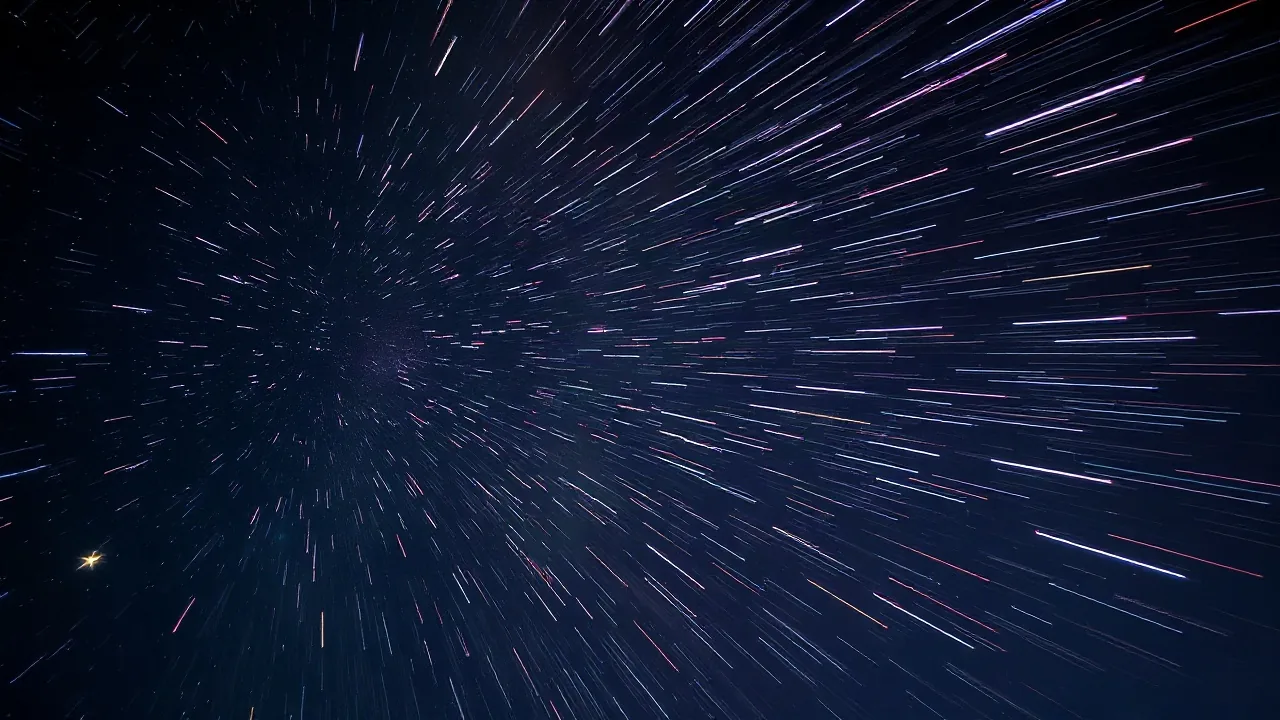
Skywatchers had a front-row seat to a spectacular celestial event this week as the annual Orionid meteor shower reached its peak. This dazzling display of shooting stars is a yearly reminder of the enduring legacy of Halley's Comet, which seeds the Earth's path with the dust and ice particles that create the Orionids.
The Orionid meteor shower occurs every October, originating from the debris trail left behind by Halley's Comet. As the Earth passes through this stream of cosmic dust, small particles collide with our atmosphere at high speeds, burning up and creating the streaks of light we see as meteors. While the peak activity occurred on the night of October 21-22, 2026, residual activity may still be visible in the coming nights. Observers fortunate enough to witness the event reported seeing numerous bright meteors, with some noting the appearance of particularly vibrant fireballs.
A Comet's Enduring Legacy
Halley's Comet, a periodic comet visible from Earth every 75 to 79 years, has captivated humanity for centuries. Its most recent appearance was in 1986, and it is not expected to return until 2061. However, its influence on our night sky persists year after year through the Orionid meteor shower. The comet's nucleus is composed of ice and dust, and as it travels through the solar system, it sheds material. This debris forms a vast trail that Earth encounters annually. The Orionid meteor shower is particularly noted for its speed, with particles hitting Earth's atmosphere at approximately 148,000 miles per hour, which often results in bright, short-lived meteors.
Astronomers advise that the best viewing conditions for meteor showers are typically away from city lights, under clear skies. While the moon phase can affect visibility, the current lunar cycle generally offers good conditions for observing the fainter meteors. This year's peak coincided with favorable conditions, allowing many to enjoy the cosmic fireworks. Photographers have captured stunning astrophotographs of the event, showcasing the beauty of meteors streaking across the night sky, often with constellations like Orion visible in the background, adding to the visual spectacle.