
China Lunar Mission 2027: US Expects Taikonauts to Circle Moon
NASA leader Jared Isaacman anticipates China will launch a crewed mission around the moon by 2027, potentially shifting the lunar exploration landscape. This highlights a renewed space race dynamic.

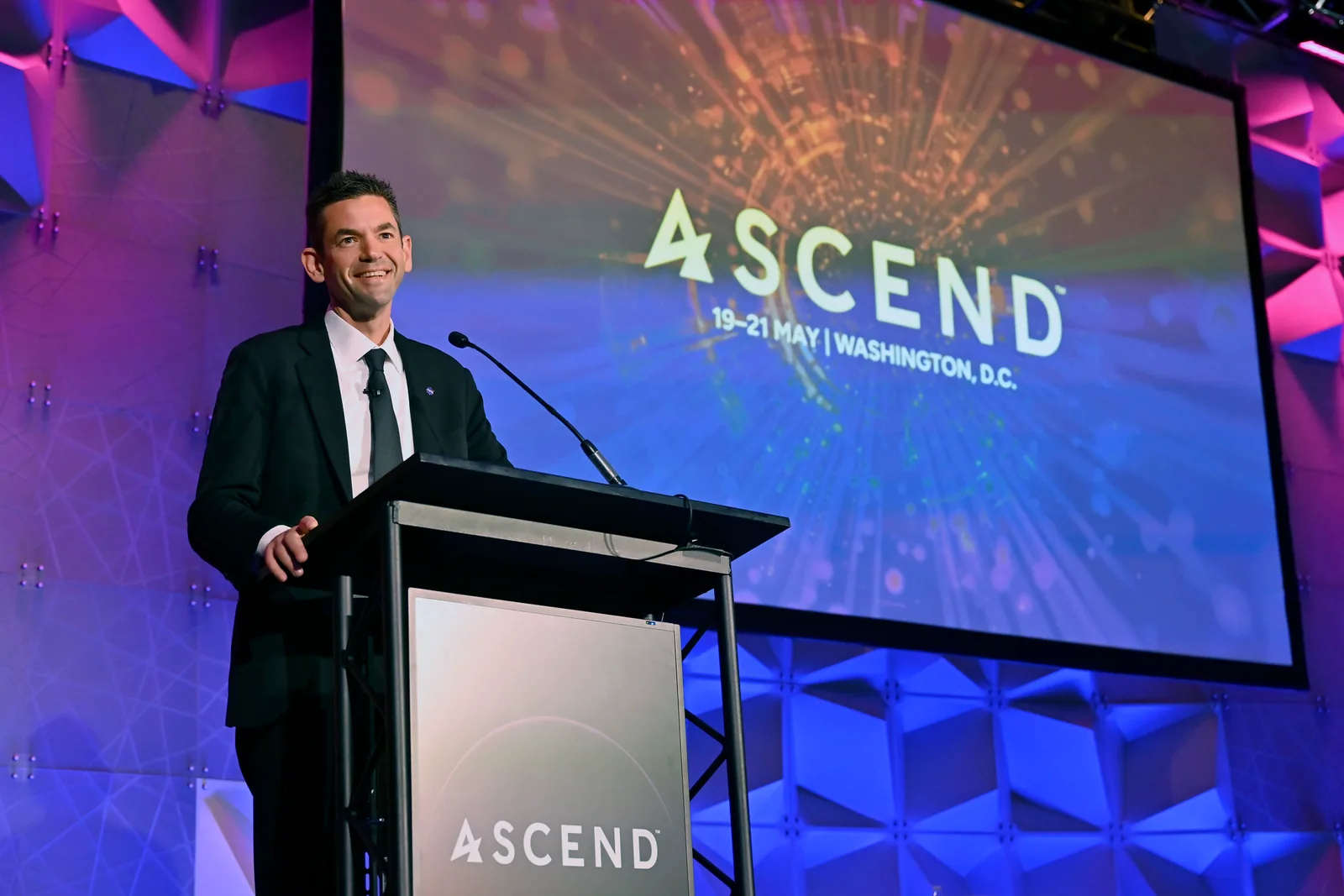
NASA Administrator Bill Nelson stated that China is expected to conduct a crewed mission around the moon in 2027, escalating perceptions of a renewed space race between the United States and China. Speaking at the ASCEND conference on May 19, Isaacman cautioned the space industry audience, suggesting that the next individuals to journey around the moon would be Chinese astronauts, or taikonauts.
"The next time the world tunes in to watch astronauts fly around the moon, which will likely be sometime in 2027, they will be taikonauts, and America will no longer be the exclusive power to send humans into the lunar environment," Isaacman declared. While he has frequently discussed a race with China to achieve the next human lunar landing, this marks one of his earliest predictions of a Chinese crewed circumlunar mission within the next few years. He reiterated these remarks later that evening at an industry reception.
China has not officially announced plans for such a mission, which would likely mirror NASA's planned Artemis 2 mission. However, rumors of such a flight have circulated, alongside expectations of a developing roadmap of missions culminating in a Chinese crewed lunar landing by the end of the decade. To date, all crewed missions to orbit or land on the moon have been conducted by NASA, including the nine Apollo missions between 1968 and 1972, and the recent Artemis 2 mission. The crews of these missions have been exclusively American, with the exception of Canadian Space Agency astronaut Jeremy Hansen on Artemis 2.
Lunar Ambitions and Shifting Strategies
Isaacman has frequently utilized the potential for China to land astronauts on the moon before NASA as a justification for re-evaluating and revamping the Artemis lunar exploration program. In February, he announced that Artemis 3, initially planned as a lunar landing attempt in 2028, would instead serve as a test flight in low Earth orbit in 2027, with the landing shifted to Artemis 4 in 2028. Subsequently, in March, he introduced further modifications to the Artemis program at the agency’s Ignition event. These changes included the de-prioritization of the lunar Gateway outpost to redirect resources toward establishing a lunar base and an increased cadence of robotic lander missions.
"Now we find ourselves with a real geopolitical rival challenging American leadership in the high ground of space," Isaacman stated at the Ignition event, explicitly referencing China. "NASA has stated we will return Americans to the moon before the end of President Trump’s term. Our great competitor said before 2030. The difference between success and failure will be measured in months, not years. They may be early, and recent history suggests we might be late."
During a House appropriations subcommittee hearing on April 27, Isaacman argued that prior to these recent strategic adjustments to Artemis, China held the advantage in the race to land humans on the moon. "Up until a few months ago, the odds were in their favor for it to happen before America returns," he said. "We have a far more achievable plan now." He further described the Chinese approach as similar to the U.S. efforts in the 1960s, characterized by a clear objective and rapid execution. "We have a path to do this right now, but it is going to be extremely close, and I can’t emphasize that enough," he added.
This perspective appears to have gained traction among members of Congress. Just days after that hearing, the Commerce, Justice and Science appropriations subcommittee advanced a spending bill for fiscal year 2027. This bill allocated increased funding for exploration initiatives beyond the administration's initial request, while also partially reversing proposed cuts in other areas of the agency. "Our chore in this environment is oversight and budgetary, but we’re also your big cheerleader and we want you to succeed," stated subcommittee chairman Rep. Hal Rogers, R-Ky., following Isaacman's discussion on the space race with China. Andrew Jones contributed to this article.