
Artemis II Mission Footage Shows Satellites Orbiting Earth
New animated photos from the Artemis II mission offer a stunning view of satellites actively orbiting our planet. This visual data highlights the increasing presence of spacecraft in Earth's vicinity.

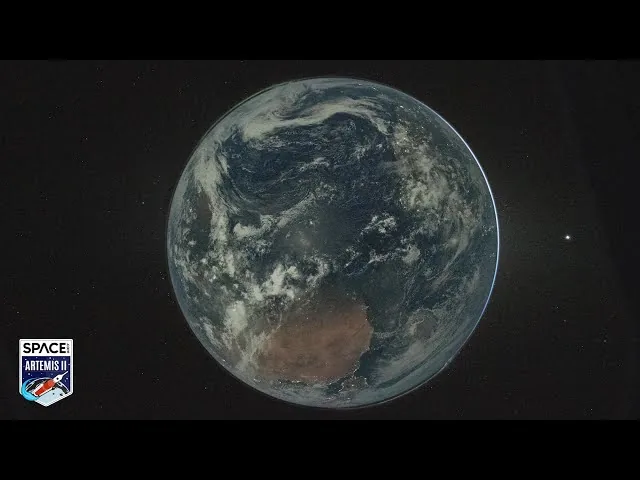
Animated images captured during the recent Artemis II mission provide a striking new perspective on Earth, showcasing numerous satellites in orbit. These visuals, released by the space agency, offer a dynamic view of the celestial bodies actively circling our planet.
The footage, compiled from data gathered during the mission, reveals the complex orbital paths of various satellites, some of which are part of ongoing space exploration and observation efforts. This detailed visualization helps to illustrate the crowded nature of Earth's orbit and the constant activity occurring beyond our atmosphere.
Orbiting Perspectives
The Artemis II mission, a crucial step in NASA's lunar exploration program, provided an unprecedented opportunity to gather high-resolution data and imagery of Earth. While the primary objective was to test systems for a crewed mission around the Moon, the mission's trajectory and instruments allowed for unique observations of Earth's orbital environment. The animated sequence highlights the sheer number of objects, both functional satellites and space debris, that occupy the space around our planet.
Understanding the orbital dynamics and the density of spacecraft is vital for future space missions, including the planned Artemis III lunar landing. Increased orbital traffic can pose collision risks and necessitates careful planning for launches and satellite operations. The detailed imagery from Artemis II can contribute to improved space situational awareness, helping to track and manage the assets and potential hazards in orbit.
This visual representation serves as a powerful reminder of humanity's expanding presence in space. As more nations and private companies invest in space technology, the number of satellites is expected to grow exponentially in the coming years. The clarity of these new images underscores the importance of international cooperation and robust regulatory frameworks to ensure the long-term sustainability of space activities.