
Rolls-Royce Bets on Higher Prices for Profit Growth
Rolls-Royce is shifting its strategy to focus on increasing the price of its luxury vehicles rather than boosting production volume to achieve greater profitability.

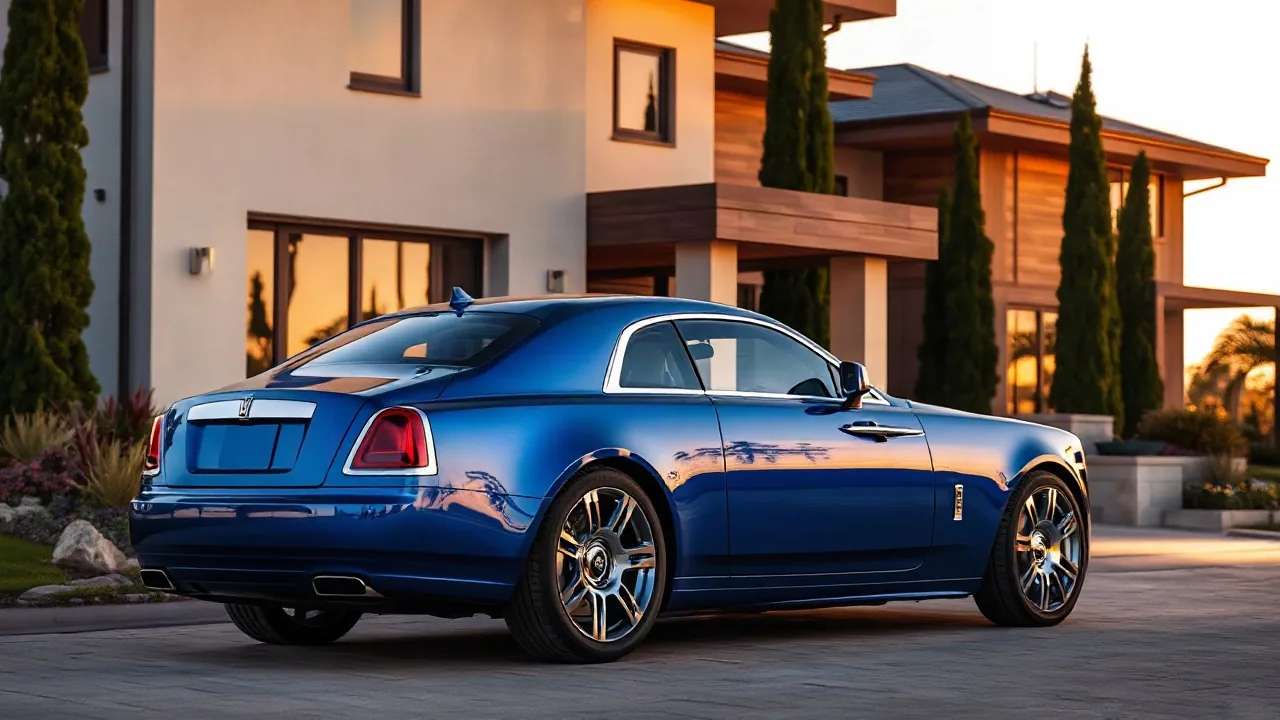
Rolls-Royce Motor Cars is recalibrating its business model, prioritizing significant price increases for its ultra-luxury vehicles over expanding production numbers. The move signals a strategic pivot aimed at maximizing revenue and profit margins by further cementing the brand's exclusivity and catering to its wealthy clientele's desire for bespoke customization.
Instead of pursuing higher sales volumes, the company is concentrating on enhancing the value proposition of each vehicle. This includes a greater emphasis on bespoke commissions and individualized options, which command substantially higher price tags. Rolls-Royce chief executive officer Torsten Müller-Ötvös has indicated that the company's order books are full for its current models, with demand continuing to outstrip supply. The current waiting list for a new Rolls-Royce can extend to two years, a testament to the brand's enduring appeal.
Focus on Bespoke and Higher Margins
The strategy allows Rolls-Royce to maintain its coveted status as a purveyor of the ultimate luxury automotive experience. By limiting production, the brand reinforces its exclusivity, making each vehicle a rarer and more desirable asset. This approach also enables a higher degree of personalization, with clients often opting for extensive custom features that significantly increase the final price. The average transaction price for a Rolls-Royce vehicle has steadily climbed, reflecting the success of this strategy. For instance, the highly sought-after Rolls-Royce Phantom and the Cullinan SUV are frequently outfitted with unique embellishments, pushing their prices well beyond the base cost.
This focus on higher-value transactions is crucial for the company's long-term financial health. It ensures that even with a controlled production output, revenue and profitability can see substantial growth. The company is investing in its manufacturing capabilities to handle the complexity of bespoke orders more efficiently, rather than to increase the sheer number of cars rolling off the assembly line. The Goodwood, England-based manufacturer is part of the BMW Group, and its strategy aligns with maintaining the brand's distinct position in the automotive hierarchy.
Müller-Ötvös has previously stated that the company's capacity is deliberately constrained to uphold the brand's prestige. This scarcity principle is a well-established tactic in the luxury goods market, applicable to everything from haute couture to high-end watches. By limiting supply, Rolls-Royce artificially inflates demand and allows for premium pricing. Customers understand and often expect this exclusivity, viewing it as a core part of the Rolls-Royce ownership experience. The company's heritage, stretching back over a century, is built on unparalleled craftsmanship and a commitment to serving the world's most discerning individuals.
The current market conditions, characterized by a global appetite for luxury goods and a segment of consumers with significant disposable income, favor this pricing-centric approach. While some automakers are focused on scaling production to compete in mass markets, Rolls-Royce carves out its niche by leaning into scarcity and extreme customization. This strategy is not just about selling cars; it's about selling an aspirational lifestyle and an exclusive ownership experience that few others can match.