
Google Books Pixel 7a Supports Bootloader Unlocking, Enhancing User Customization
The Google Pixel 7a now offers unlockable bootloader support, a feature previously unavailable. This change opens doors for advanced users and enthusiasts, particularly benefiting the Magisk community.

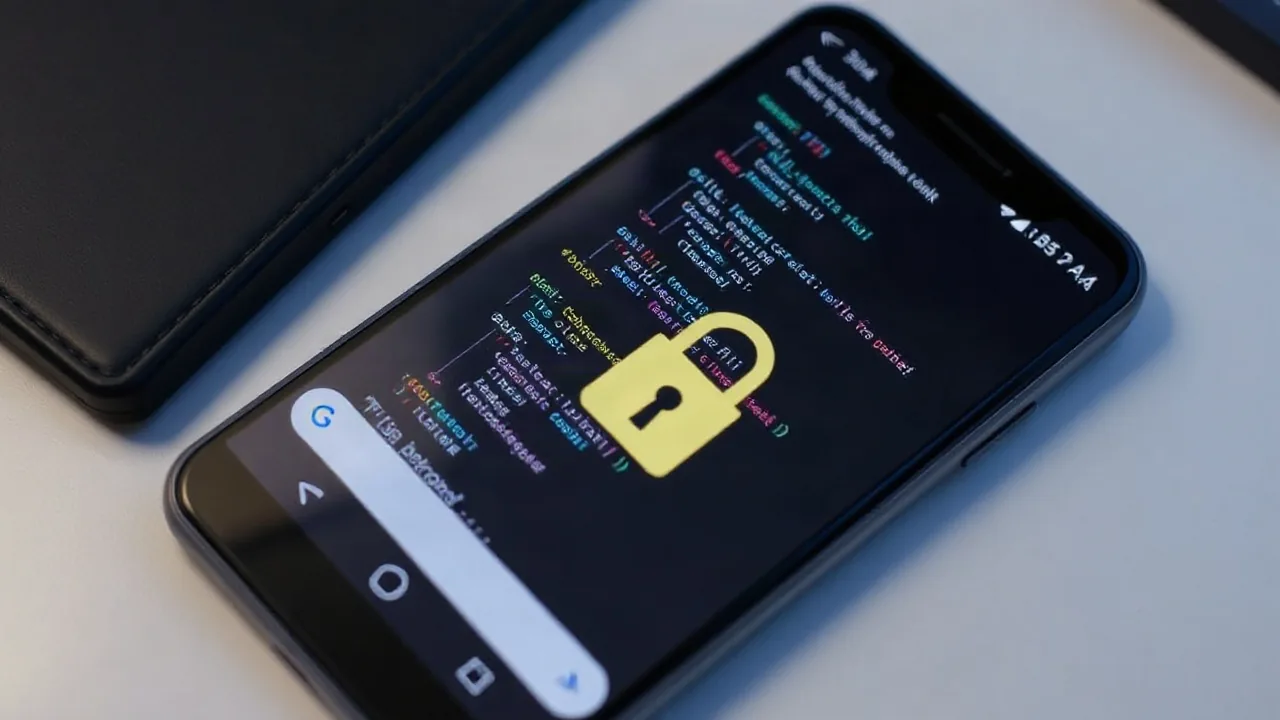
The Google Pixel 7a, a recent addition to Google's smartphone lineup, has gained unlockable bootloader support. This significant development, previously unavailable on the device, empowers users with greater control over their devices and opens up new possibilities for customization and advanced modifications. The update has been met with enthusiasm from the tech community, particularly those involved with rooting and custom ROM development.
The bootloader is a crucial piece of software that runs when a device first boots up, responsible for loading the operating system. By default, most manufacturer bootloaders are locked, preventing users from installing unauthorized software or making deep system-level changes. Unlocking the bootloader is the first step in the process of rooting a device, which allows users to gain superuser access and install custom operating systems, kernels, and other modifications. The Pixel 7a's bootloader unlockability marks a departure from previous models and signals a more open approach from Google for this particular device.
Community Impact and Magisk Support
This newfound support for an unlockable bootloader is particularly beneficial for users of Magisk, a popular open-source tool for systemless rooting. Magisk allows users to modify their Android system without altering the core system partition, making it easier to maintain compatibility with apps that detect system modifications, such as banking or gaming applications. The ability to unlock the bootloader on the Pixel 7a ensures that Magisk can be installed and utilized effectively, providing a more robust and flexible rooting experience for its users. Developers and enthusiasts can now explore deeper system-level customization, create custom kernels, or even develop unique software modifications.
Previously, users seeking to achieve advanced customization on Google devices often faced limitations or had to rely on complex workarounds. The official support for an unlockable bootloader streamlines this process significantly. It signifies Google's acknowledgement of the power-user and developer community that thrives on the ability to tinker with their devices. This move is likely to foster further innovation within the Android ecosystem, encouraging the development of new tools and applications that leverage the increased accessibility of the Pixel 7a's software.
The implications extend beyond just rooting. An unlocked bootloader allows for flashing custom recoveries, custom ROMs, and even alternative operating systems. This flexibility is highly valued by developers who need to test software on different configurations or by users who prefer a different Android experience than what Google provides out-of-the-box. The Pixel 7a, with its capable hardware and now enhanced software flexibility, is poised to become a popular choice for developers and tinkerers alike. This development underscores the ongoing evolution of Android device customization and the persistent demand for user freedom within the mobile operating system landscape.