
OpenAI Integrates Atlas AI Browser Features into ChatGPT and Chrome
OpenAI is closing its AI-powered Atlas browser but is integrating its core features into ChatGPT and a new Chrome extension. This strategic shift aims to embed AI browsing capabilities into users' existing workflows.

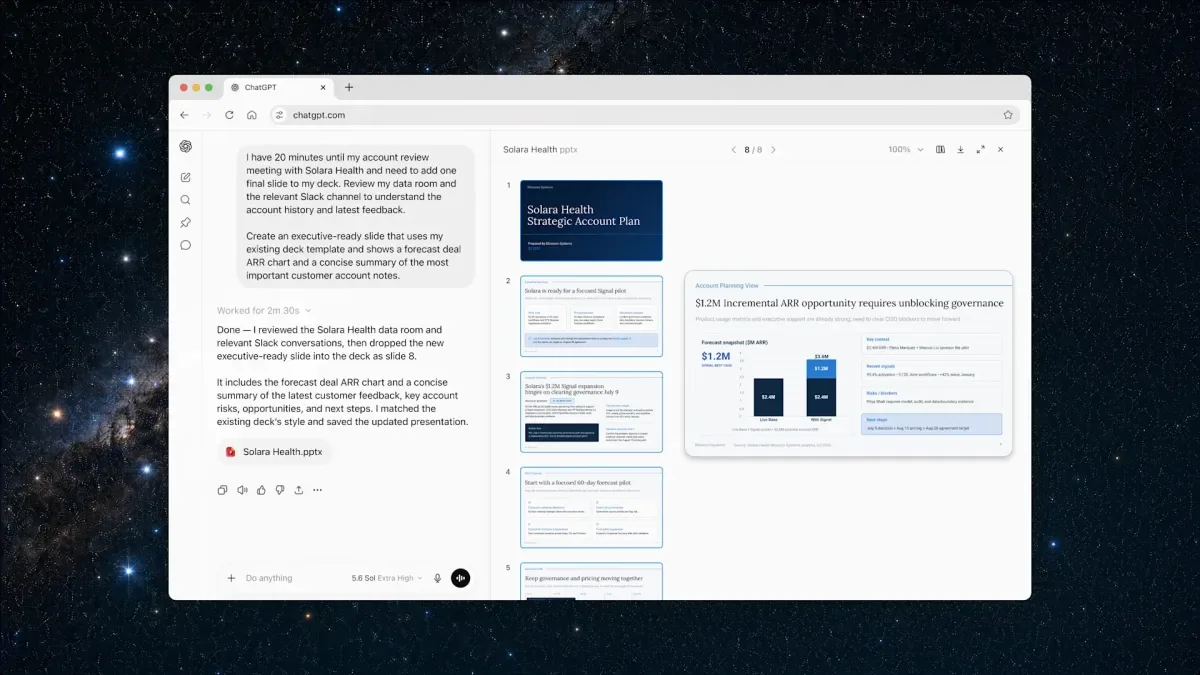
OpenAI has announced the discontinuation of Atlas, its experimental AI-powered web browser, which debuted in October 2026 with ChatGPT integrated. Despite the shutdown, the company is reaffirming its commitment to enhancing web browsing experiences through artificial intelligence. Key agentic browsing functionalities tested within Atlas are being repurposed and deployed across the ChatGPT desktop application and a newly developed Google Chrome extension.
This strategic pivot follows directives from OpenAI's CEO of applications, Fidji Simo, who encouraged a refocus away from less critical "side quests." This initiative had previously contributed to the cessation of the AI firm's Sora video-generation tool. For much of the past year, the artificial intelligence industry has been engaged in a competitive race to challenge the dominance of Google Chrome as the primary platform for online activity. Competitors like Perplexity launched Comet, The Browser Company introduced Dia, and tech giants Google and Microsoft have respectively enhanced Chrome and Edge with advanced AI-driven features.
Shifting Focus from Standalone Browser to Integrated Tools
After several months of experimentation, OpenAI has concluded that a standalone browser is less viable than integrating browser-like functionalities as features within existing, widely-used platforms. The company is now folding Atlas's agent-based browsing capabilities into the environments where users already spend their time, including the popular Chrome browser. The new ChatGPT extension for Chrome will grant the AI access to the content of the pages users are viewing. This enables users to query web pages directly, obtain summaries of content, or initiate more complex tasks without leaving their browser.
This development positions OpenAI as a direct competitor to Google's Gemini Side Panel, which offers a similar suite of functionalities. Concurrently, OpenAI is enhancing its ChatGPT desktop application by incorporating a more sophisticated browser. This upgraded feature allows users to navigate websites, log into accounts, download files, and interact with web pages directly within the ChatGPT interface. A separate, remotely hosted cloud browser operates on OpenAI's servers, providing a dedicated environment for the application's AI agents to execute tasks on behalf of users.
Collectively, these updates are designed to transform ChatGPT into a persistent and integrated workspace that seamlessly spans across Chrome, the desktop app, and advanced AI agents. The move signifies a broader industry trend where AI companies are prioritizing integration and utility within established user ecosystems over the creation of entirely new applications in saturated markets. By embedding advanced AI browsing capabilities into tools users already rely on, OpenAI aims to capture a larger share of user engagement and provide more immediate value.