
OnePlus Shifts Software Strategy, Exits US and European Markets
OnePlus is ceasing its independent software development for the US and European markets, transitioning existing devices to Oppo's ColorOS. This move signals a significant shift in the company's global strategy.

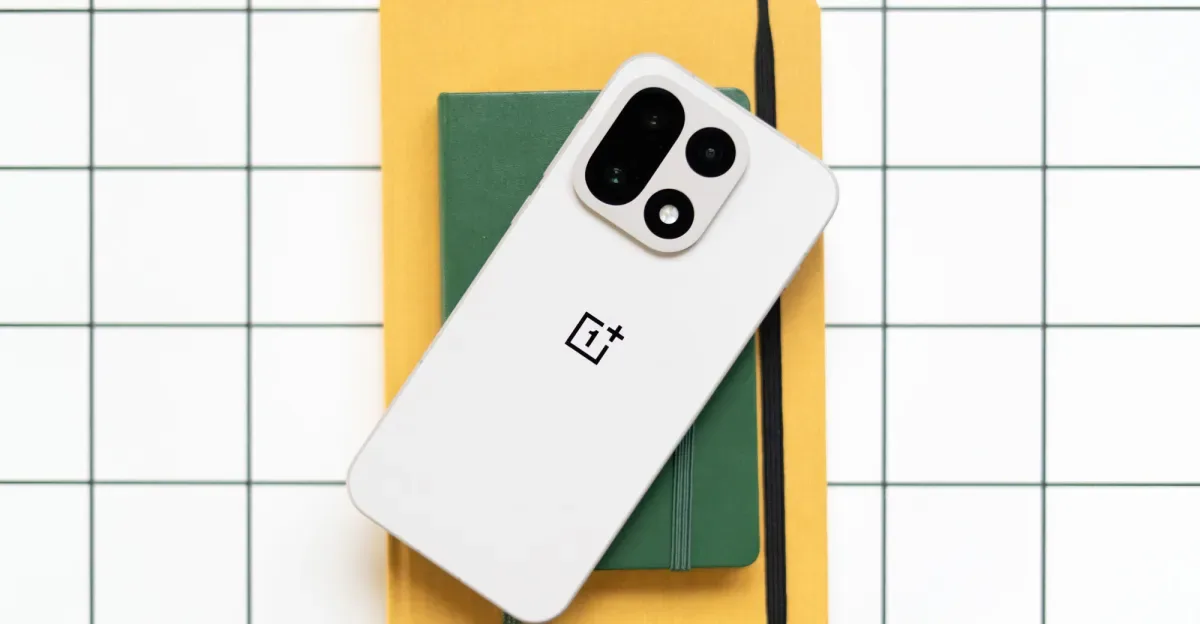
OnePlus has officially announced a significant shift in its global strategy, effectively ceasing independent software development for the US and European markets. Starting with future software updates, existing OnePlus devices will transition to Oppo's ColorOS. This decision marks a substantial withdrawal from key Western markets, where the brand has cultivated a dedicated user base.
The move comes as Oppo, OnePlus's parent company, consolidates its software ecosystem. While OnePlus devices will continue to be sold in some regions, the focus on developing distinct software experiences for Europe and North America has been deprioritized. This change means that users in these regions can expect their OnePlus phones to receive updates based on ColorOS, the operating system developed by Oppo.
Strategic Realignment in the Smartphone Industry
This strategic realignment is part of a broader trend within the smartphone industry, where companies are increasingly merging resources and platforms to streamline development and compete more effectively. For years, OnePlus has maintained a separate identity, offering a distinct user experience, often touted for its clean interface and timely updates. However, the integration with Oppo's ColorOS suggests a move towards greater operational synergy and potentially reduced R&D investment in duplicated efforts.
The implications for consumers in the US and Europe are significant. While the hardware will remain the same, the user interface and feature set delivered through software updates will now align more closely with Oppo devices. This could impact the unique 'OnePlus feel' that many users have come to appreciate. Observers note that this consolidation allows Oppo to leverage its engineering resources more efficiently across its portfolio of brands, which also includes Realme.
OnePlus has not provided a specific timeline for when these software transitions will begin for all affected devices, but the announcement indicates a definitive move away from the distinct OxygenOS for these markets. The company has stated that devices will continue to receive support, but the underlying operating system will be Oppo's ColorOS. This pivot underscores the intense competition in the global smartphone market, forcing manufacturers to make difficult decisions about resource allocation and market focus.