
Margaret Hamilton: Pioneering Software Engineer Dies at 90
Margaret Hamilton, a visionary software engineer whose work was crucial to the Apollo space missions, has passed away at the age of 90. Her contributions laid the groundwork for modern software development.

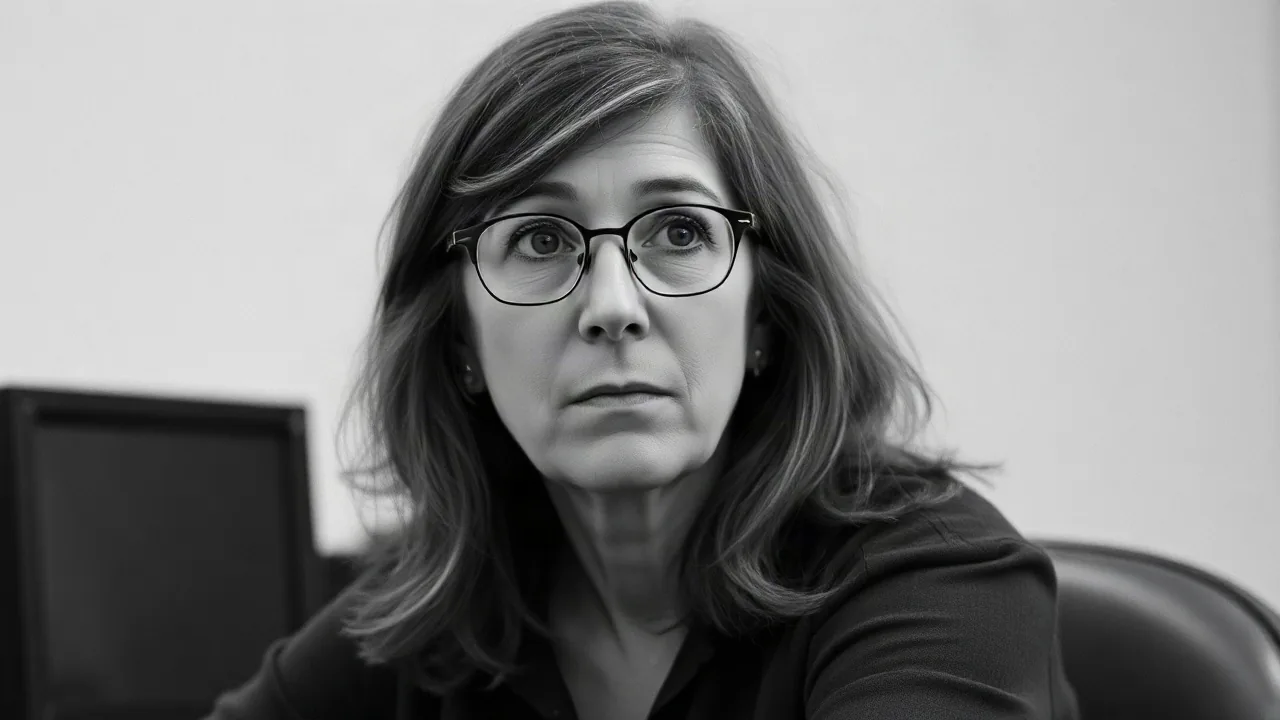
Margaret Hamilton, a pivotal figure in the history of software engineering and a key architect of the code that powered NASA's Apollo missions, died on October 17, 2026, at the age of 90. Hamilton led the Software Engineering Division at the MIT Instrumentation Laboratory in the 1960s, where her team developed the on-board flight software for the Apollo program. Her innovative approach and leadership were instrumental in the success of the lunar landings and established foundational principles for reliable and robust software systems.
Hamilton's legacy extends far beyond her direct involvement in the space race. She is widely credited with coining the term "software engineering" and advocating for its recognition as a distinct and critical discipline. Her emphasis on rigorous testing, error detection, and fault tolerance became cornerstones of modern software development practices, influencing how software is designed and built across all industries.
From Apollo's Code to Modern Computing
Born in 1936, Hamilton pursued her passion for mathematics and science, eventually joining MIT in the early 1960s. At the Instrumentation Laboratory, she was tasked with developing software for a craft that had to be incredibly reliable and capable of handling unexpected situations. The software her team created was so sophisticated for its time that it famously prevented a mission abort during the Apollo 11 lunar landing by intelligently shedding lower-priority tasks to avoid overloading the guidance computer.
In a 2019 interview, Hamilton reflected on the development process, stating, "The software had to be written with a level of quality and reliability that was unprecedented." She also noted the collaborative spirit of her team, emphasizing that "It was a monumental effort, and it required every single person to be dedicated to the mission." Her leadership fostered an environment where innovation thrived, leading to breakthroughs in real-time computing and error prevention.
The principles Hamilton and her team championed, such as asynchronous software, priority scheduling, and human-in-the-loop decision-making, are still relevant today. These concepts are embedded in the operating systems, embedded systems, and complex software architectures that power everything from smartphones to advanced scientific instruments. Her foresight in anticipating the need for robust error handling and recovery mechanisms has saved countless hours of development time and prevented numerous system failures in the decades since.
Hamilton received numerous accolades throughout her career, including the Presidential Medal of Freedom in 2016, awarded by President Barack Obama. This honor recognized her groundbreaking contributions to software engineering and her role in advancing American technological prowess. Her work continues to inspire new generations of engineers and computer scientists to pursue excellence and innovation in the field of software.
She is survived by her daughter, Lauren, and her grandchildren. Her passing marks the end of an era for many in the tech and aerospace communities, but her foundational work in software engineering continues to shape the digital world.