
Pixel Phones Get New App Lock Security Feature in Android Update
Google's latest Android 17 QPR2 Beta 3 update for Pixel phones introduces a new App Lock feature. This security enhancement requires biometric or pattern authentication to open selected apps, even if the phone is already unlocked.

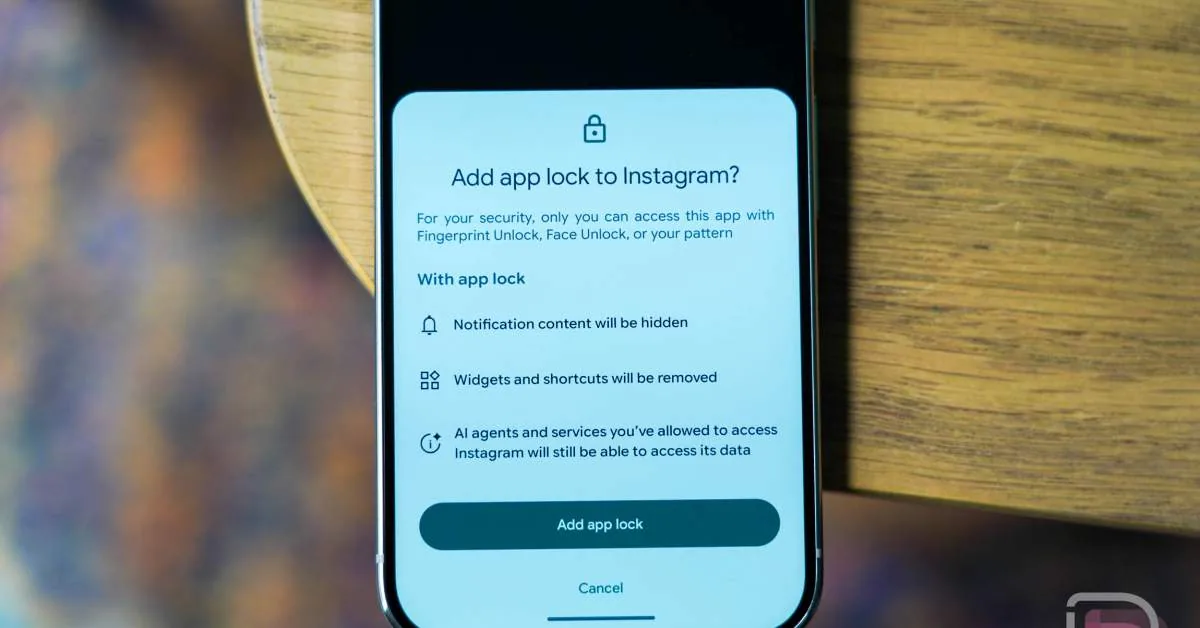
Google has rolled out a significant new security feature for its Pixel phones as part of the Android 17 QPR2 Beta 3 update. Dubbed "App Lock," this functionality adds an extra layer of protection, requiring users to authenticate via fingerprint, face unlock, or pattern before accessing specific applications, even if the device itself is already unlocked.
The App Lock feature aims to provide enhanced privacy by preventing unauthorized access to sensitive apps. Previously, if someone gained access to an unlocked Pixel phone, they could potentially open and view the content of any application. With App Lock enabled, such access is now restricted, ensuring that only the legitimate owner can open protected apps. According to Google's release notes, activating App Lock also helps by hiding notification content from the app and removing its widgets and shortcuts when locked.
Users can enable App Lock by long-pressing on an app's icon and selecting the new "App Lock" option from the context menu. Alternatively, a dedicated section within the phone's settings allows users to manage App Lock for all installed applications, toggling the feature on or off for each one individually. This provides a granular level of control over which apps require additional authentication.
Context and Implications for Mobile Security
The introduction of App Lock on Pixel phones addresses a long-standing user request for more robust application-level security. While Android's built-in security measures, including screen locks and app permissions, are generally effective, they do not always prevent access to specific apps on an already compromised or shared device. This new feature is particularly relevant in scenarios where a phone might be temporarily borrowed or accessed by family members, or in the unfortunate event of theft.
The implementation of App Lock is a notable step towards more user-controlled security granularities within the operating system. It complements existing security protocols and provides a clear benefit for users concerned about the privacy of their personal data stored within various applications, from messaging and banking to social media and photo galleries. While the update is currently in beta, its inclusion suggests a likely permanent addition to future Android releases for Google's devices.
It is important to note that Google mentioned that AI agents and services granted permission to access an app will retain that access even when App Lock is active. This detail highlights the evolving landscape of mobile security in the age of artificial intelligence, where differentiating between user access and AI service access presents new challenges. For most users, however, the added protection for their sensitive apps will be a welcome enhancement to their mobile security toolkit.