
Intel Reportedly Prepares Budget-Friendly Panther Lake Chip for Gaming Handhelds
Intel is reportedly developing a new Panther Lake chip with a 4+0+4+4 core configuration for entry-level gaming handhelds. This move aims to make gaming devices more affordable, potentially under $800.

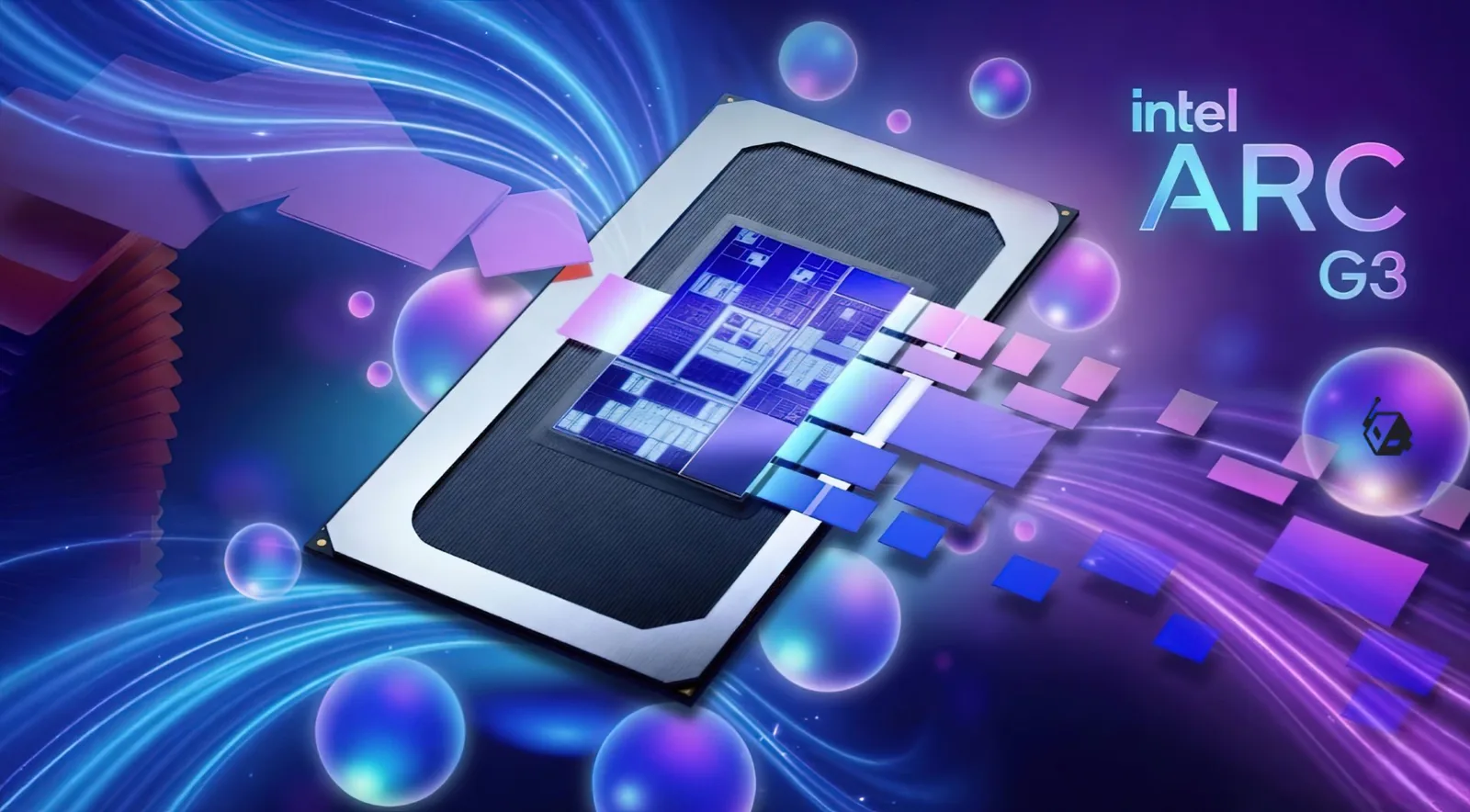
Intel is said to be diversifying its strategy for the gaming handheld market by preparing a new, more budget-friendly chip based on its Panther Lake architecture. This upcoming System-on-Chip (SoC) is reportedly designed to power entry-level devices, potentially bringing the cost of dedicated gaming handhelds down significantly.
The new chip is rumored to feature a "4+0+4+4" core configuration, which includes four Performance-cores, zero Efficient-cores, four Low-Power Efficient (LP-E) cores, and four Intel Xe3 graphics cores. This configuration is similar to existing Panther Lake processors found in laptops, such as the Core Ultra 5 325/335 and Core Ultra 7 355/365. The intention behind this specific arrangement appears to be targeting the more accessible segment of the gaming handheld market, which has largely been dominated by higher-priced devices.
Shifting Focus to Affordability
The current Intel Arc G3 and G3 Extreme SoCs power several premium gaming handhelds, but these devices often exceed the $1,000 price point. While memory and storage costs are significant factors, Intel's potential new SoC could help alleviate the entry barrier for consumers. By offering a less powerful, but still capable, chip for gaming, Intel might enable manufacturers to produce handhelds priced below $1,000, or even under $800, making dedicated portable gaming a more attainable option for a wider audience.
This strategic shift by Intel comes at a time when the portable gaming market is seeing renewed interest. Consumers are increasingly looking for devices that offer a balance of performance and price. The success of devices like the ASUS ROG Ally and the continued popularity of the Steam Deck highlight the demand for powerful yet portable gaming solutions. However, the higher end of this market remains a significant investment. Intel's previous high-performance Arc G3 chips, featuring 14 cores and integrated graphics like the Arc B370 and Arc B390, have pushed the boundaries for handheld gaming without a discrete GPU.
Sources suggest this new Panther Lake variant is not officially confirmed but comes from a leaker with a solid track record for accuracy regarding Intel's product roadmap. The move would represent a calculated approach to capture market share across different price tiers, rather than solely focusing on the high-performance segment. This could involve adapting existing laptop-grade Panther Lake silicon for the specific needs of handheld gaming devices, optimizing for power efficiency and cost-effectiveness.
The development of such a chip could also encourage new hardware manufacturers to enter the gaming handheld space, fostering greater competition and innovation. If Intel successfully enables the creation of sub-$800 gaming handhelds powered by its new silicon, it could significantly reshape consumer expectations and purchasing habits within the portable gaming industry. This strategy mirrors previous efforts by chip manufacturers to cater to diverse market needs, from ultra-premium devices to more mainstream offerings.
While details remain scarce, the potential introduction of an 8-core Panther Lake SoC for gaming handhelds marks a significant development. It signals Intel's intent to compete more broadly in the gaming handheld arena, potentially bringing more affordable and accessible gaming experiences to consumers worldwide.