
Nvidia DLSS 5 Expansion for Older GPUs Announced
Nvidia is expanding its Deep Learning Super Sampling (DLSS) 5 technology to a wider range of older graphics cards. However, the company has not confirmed whether all previously announced DLSS 5 titles will implement the feature.

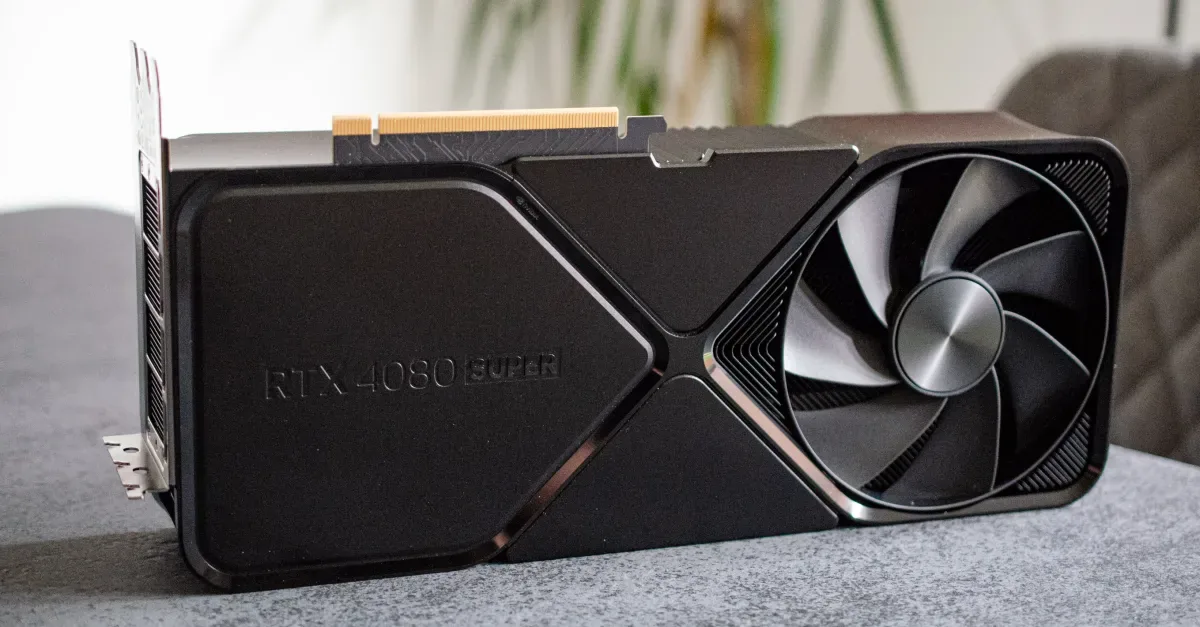
Nvidia announced Thursday that its latest AI-powered upscaling technology, Deep Learning Super Sampling (DLSS) 5, will soon be available for a broader spectrum of its graphics processing units (GPUs). This move aims to bring enhanced visual fidelity and performance improvements to a larger gaming audience, including those with older hardware. The expansion means more gamers can potentially experience smoother gameplay and sharper graphics without requiring the absolute latest hardware.
While the company has detailed the technical specifications and benefits of DLSS 5, including its advanced AI algorithms for image reconstruction and detail enhancement, a key question remains unanswered: whether all games initially slated to feature DLSS 5 will still incorporate the technology. Nvidia has not provided official confirmation regarding this detail, leaving some gamers and developers uncertain about future implementations.
Broader Access and Unanswered Questions
DLSS 5 represents Nvidia's ongoing commitment to leveraging artificial intelligence to improve the gaming experience. The technology works by using AI to render games at a lower resolution and then intelligently upscale them to a higher resolution, effectively boosting frame rates and visual clarity. This latest iteration promises even more sophisticated enhancements over previous versions. The decision to make DLSS 5 accessible to older GPUs, such as those in the RTX 30-series and potentially earlier, is a significant step towards democratizing advanced graphics features.
Previously, cutting-edge technologies like DLSS were often exclusive to the newest hardware generations. This limited adoption and created a performance gap between players with the latest cards and those with older models. By extending support, Nvidia is potentially enabling millions of gamers to benefit from these visual and performance gains. The company has emphasized that DLSS 5 is designed to offer superior image quality and performance compared to previous iterations, further blurring the lines between rendered and native resolutions.
However, the ambiguity surrounding game implementations is causing concern within the gaming community. Developers often need significant time and resources to integrate new technologies like DLSS 5. If Nvidia cannot guarantee that previously announced titles will fully support the technology, it could lead to disappointment and a fragmented experience. Gamers who have been anticipating specific game updates incorporating DLSS 5 may find their expectations unmet if certain games do not materialize with the feature. Industry analysts suggest that clear communication from Nvidia regarding developer support and timeline is crucial at this juncture.
The implications of this expansion extend beyond just performance. Enhanced visual capabilities can fundamentally change how players perceive and interact with game worlds, adding a new layer of immersion. For Nvidia, broadening the reach of its proprietary technology also strengthens its ecosystem and competitive edge in the GPU market. The success of DLSS 5, particularly its rollout to older hardware, will be a critical factor in its long-term adoption and impact on the gaming industry. Further details are expected to be released in the coming months as Nvidia continues its strategic rollout.