
New MacBook Pro Redesign Offers Major Upgrades Over Current Model
Apple is reportedly preparing a significant redesign for its MacBook Pro line, with new features expected to far surpass the capabilities of current models. An event on October 28 could reveal these upcoming advancements.

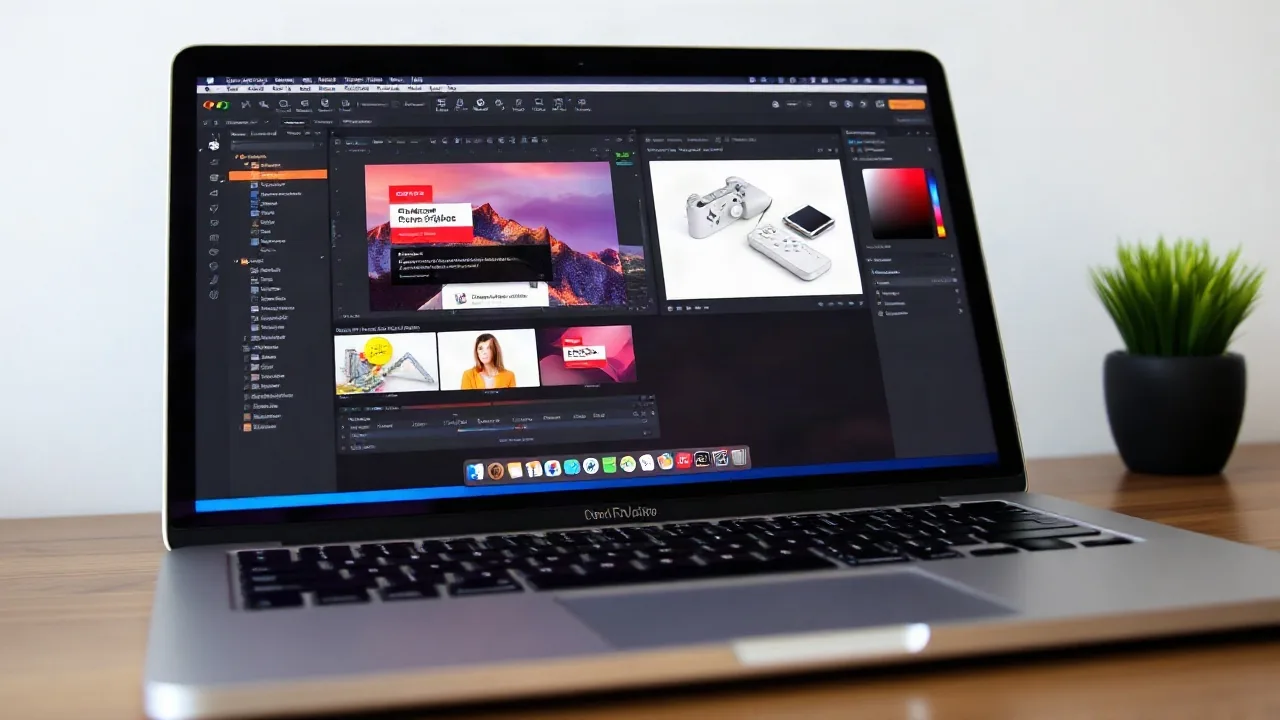
Apple is poised to unveil a substantially redesigned MacBook Pro, featuring several key advantages over its existing iterations. The company has officially announced an event for October 28, fueling speculation that this is where the new laptop will debut. This forthcoming model is expected to introduce significant upgrades, potentially including a touchscreen display and OLED technology, marking a notable evolution for the popular professional-grade laptop.
The anticipated redesign is rumored to offer distinct improvements that will set it apart from the current generation. While specific details remain under wraps, industry observers point to advancements in processing power, display technology, and user interface as likely focal points. The inclusion of a touchscreen, a feature previously exclusive to Apple's iPad line, would represent a major shift in the MacBook Pro's design philosophy, aiming to bridge the gap between tablet and laptop functionality.
Enhanced User Interaction and Display Capabilities
One of the most significant rumored changes is the potential integration of an OLED display. OLED technology offers superior contrast ratios, deeper blacks, and more vibrant colors compared to traditional LCD screens. This would not only enhance the visual experience for creative professionals but also potentially contribute to energy efficiency. Coupled with a possible touchscreen, the new MacBook Pro could offer a more interactive and intuitive user experience, allowing for direct manipulation of applications and content.
The upcoming event, teased with the cryptic phrase "Pro and Tell," has led to widespread anticipation within the tech community. Apple's historical pattern of launching major product updates around such events suggests that the October 28 date is a strong candidate for the MacBook Pro's official reveal. Industry analysts are closely watching for confirmation of specific features, with many predicting a comprehensive overhaul rather than incremental updates. The move towards touchscreen integration could also signal Apple's broader strategy for its macOS ecosystem.
Past rumors and supply chain leaks have hinted at a new chassis design, potentially thinner and lighter than current models, further enhancing portability. The integration of next-generation Apple Silicon chips is also a near certainty, promising substantial gains in performance and power efficiency. These hardware advancements, combined with potential software optimizations tailored for the new hardware, are expected to solidify the MacBook Pro's position as a leader in the high-end laptop market.
The prospect of a touchscreen MacBook Pro has been a topic of discussion for years, with Apple consistently opting for a trackpad-centric interface. However, the success of the iPad Mini and the growing convergence of mobile and desktop operating systems may be prompting a strategic re-evaluation. Should Apple proceed with a touchscreen, it would represent a significant departure and a bold move to cater to a wider range of user needs and workflows. The company's commitment to innovation in its hardware and software integration suggests that any new direction will be meticulously executed.
The success of Apple's redesign will hinge on its ability to seamlessly integrate new features without compromising the core strengths that define the MacBook Pro: performance, reliability, and a robust ecosystem. The tech giant's consistent track record of delivering high-quality products suggests that users can expect a refined and powerful machine that addresses the evolving demands of professionals in 2026.